Skip to content

Blog

Missouri // 2025

Home is where memories eclipse photographs.

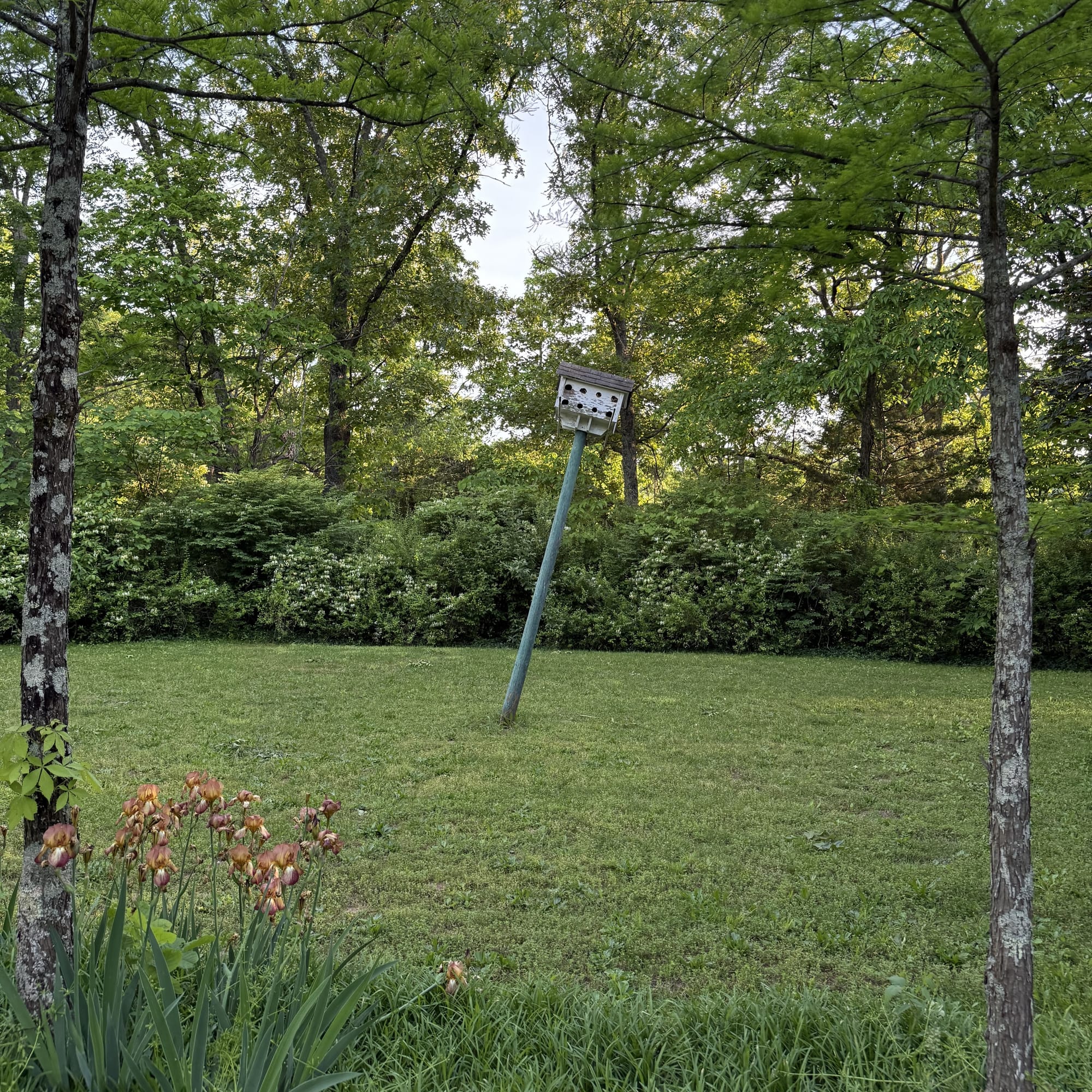
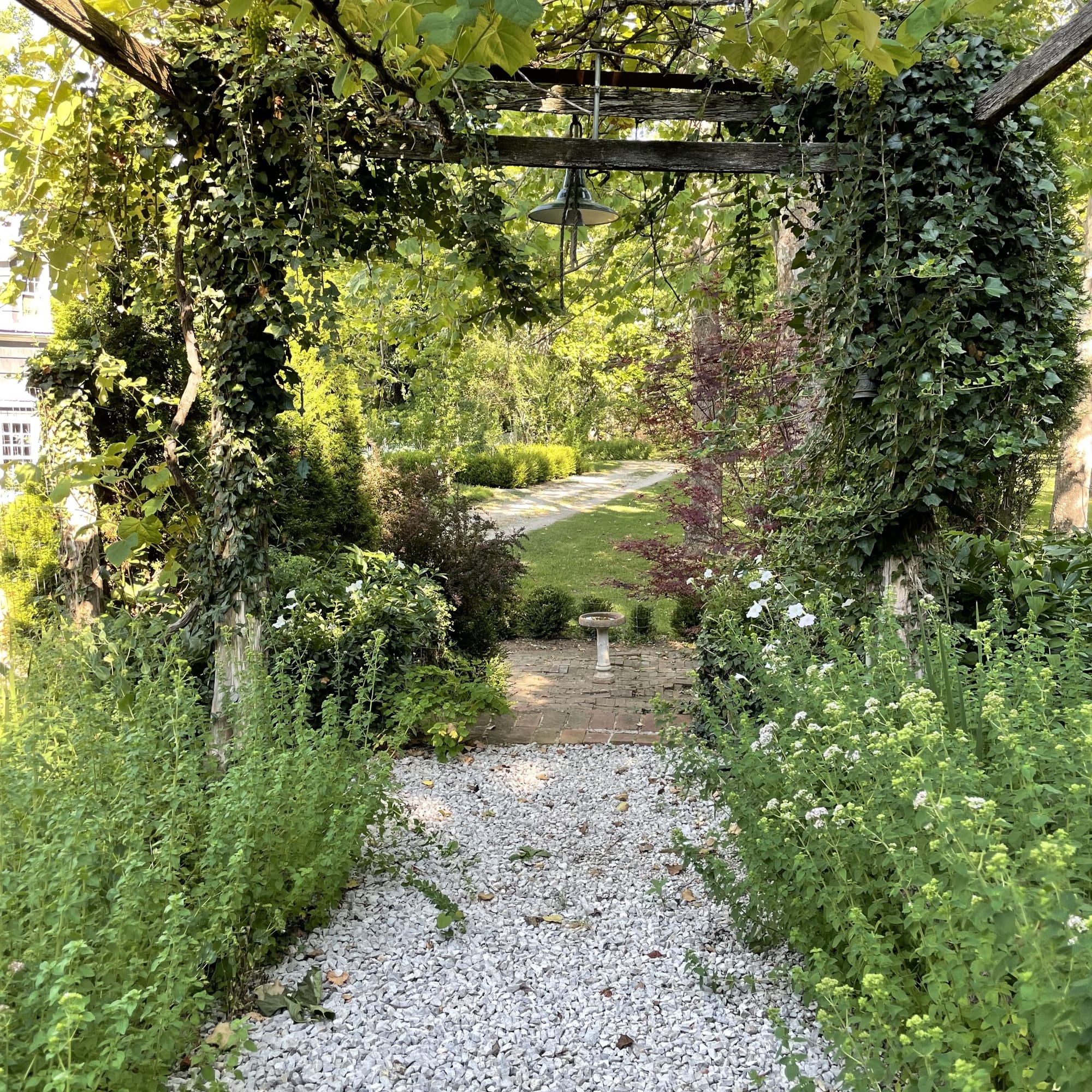
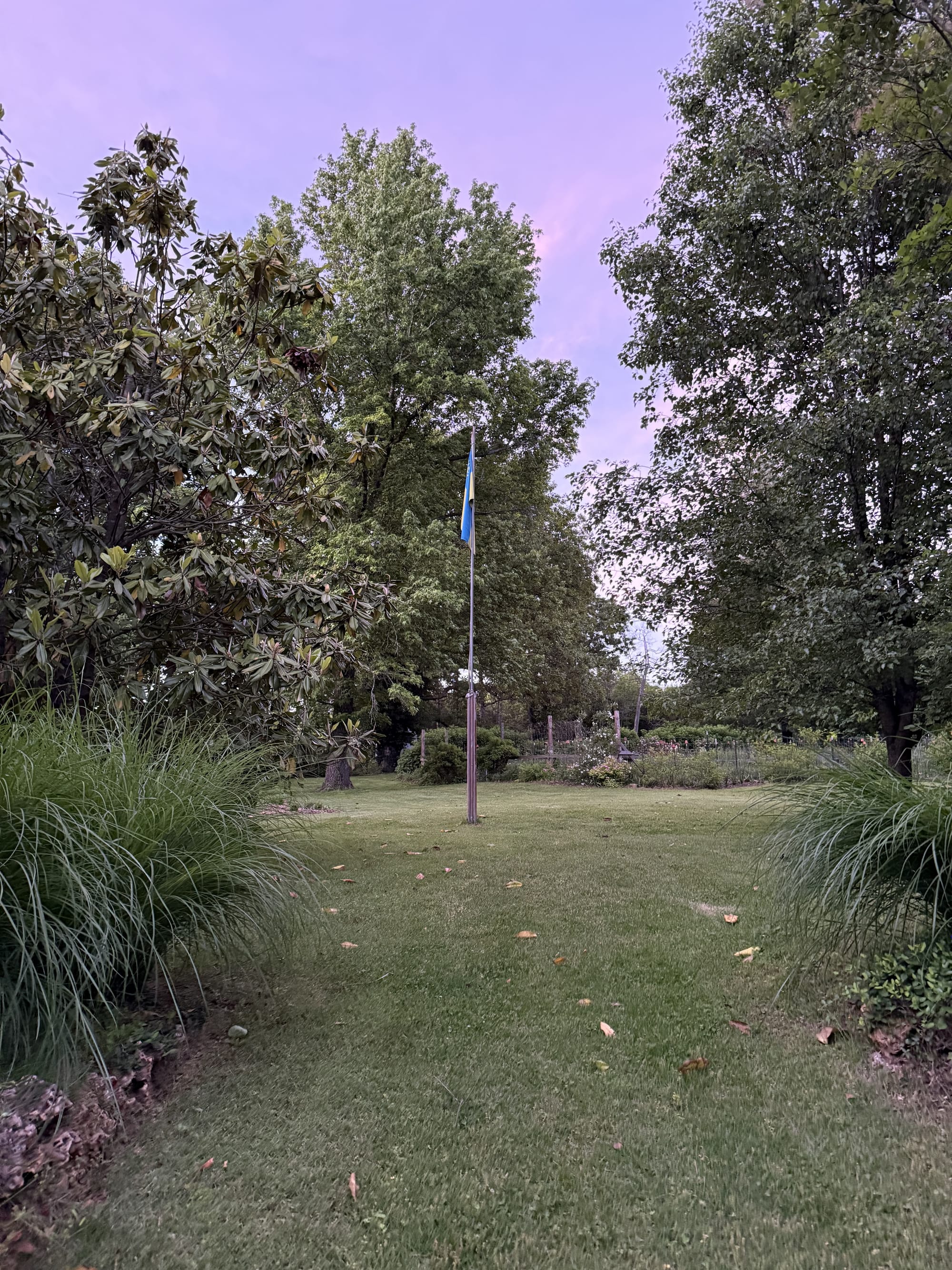
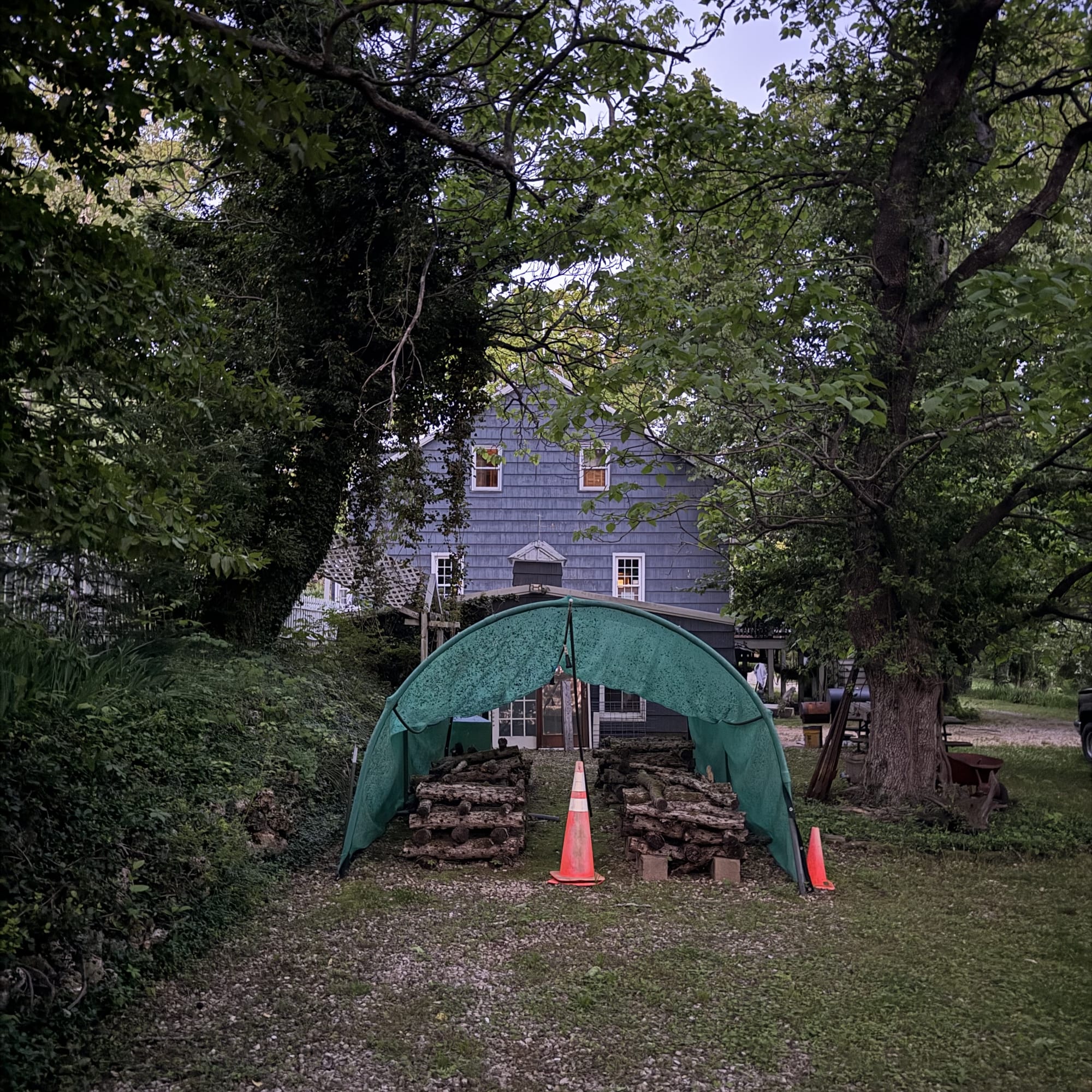
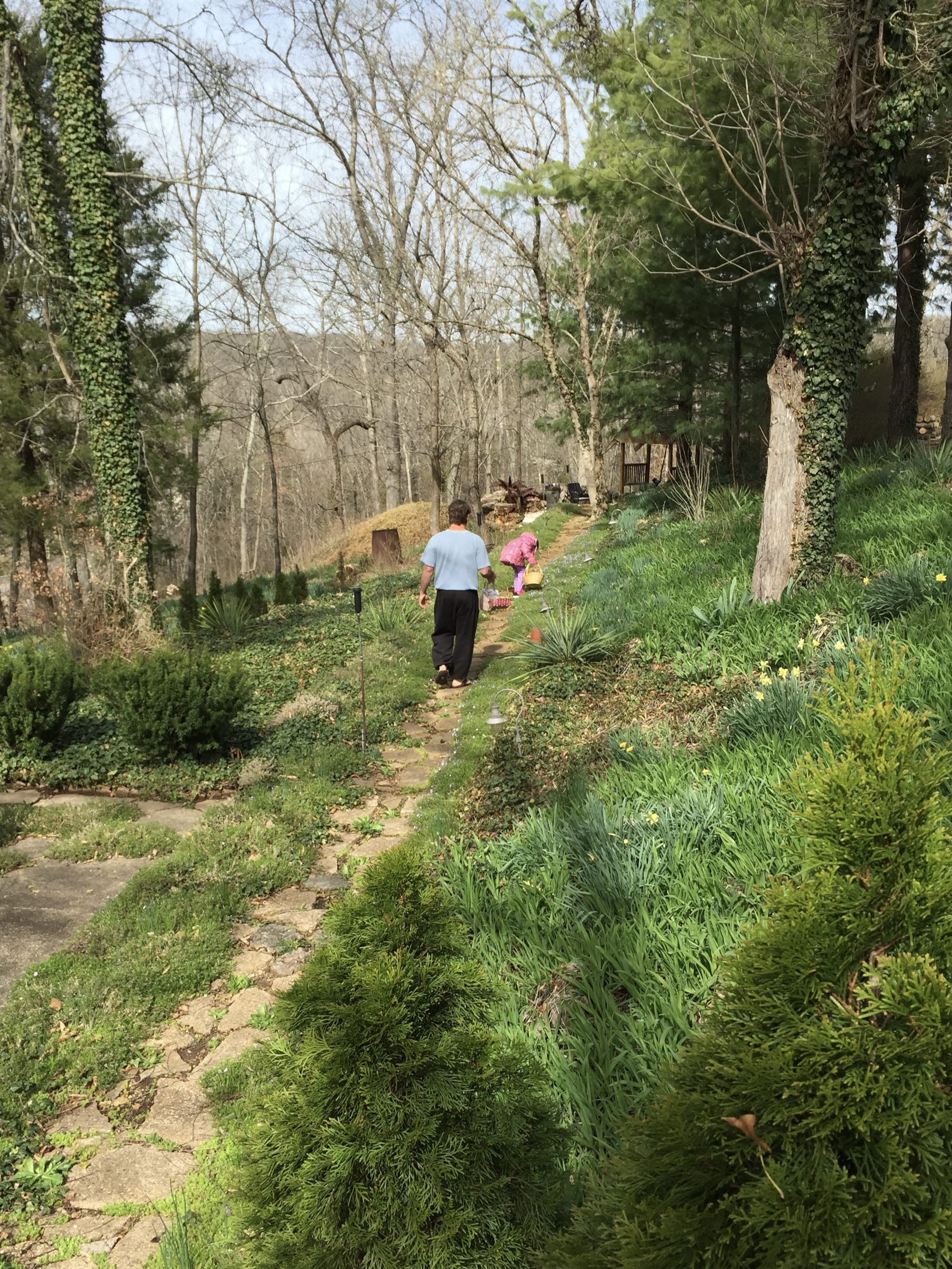
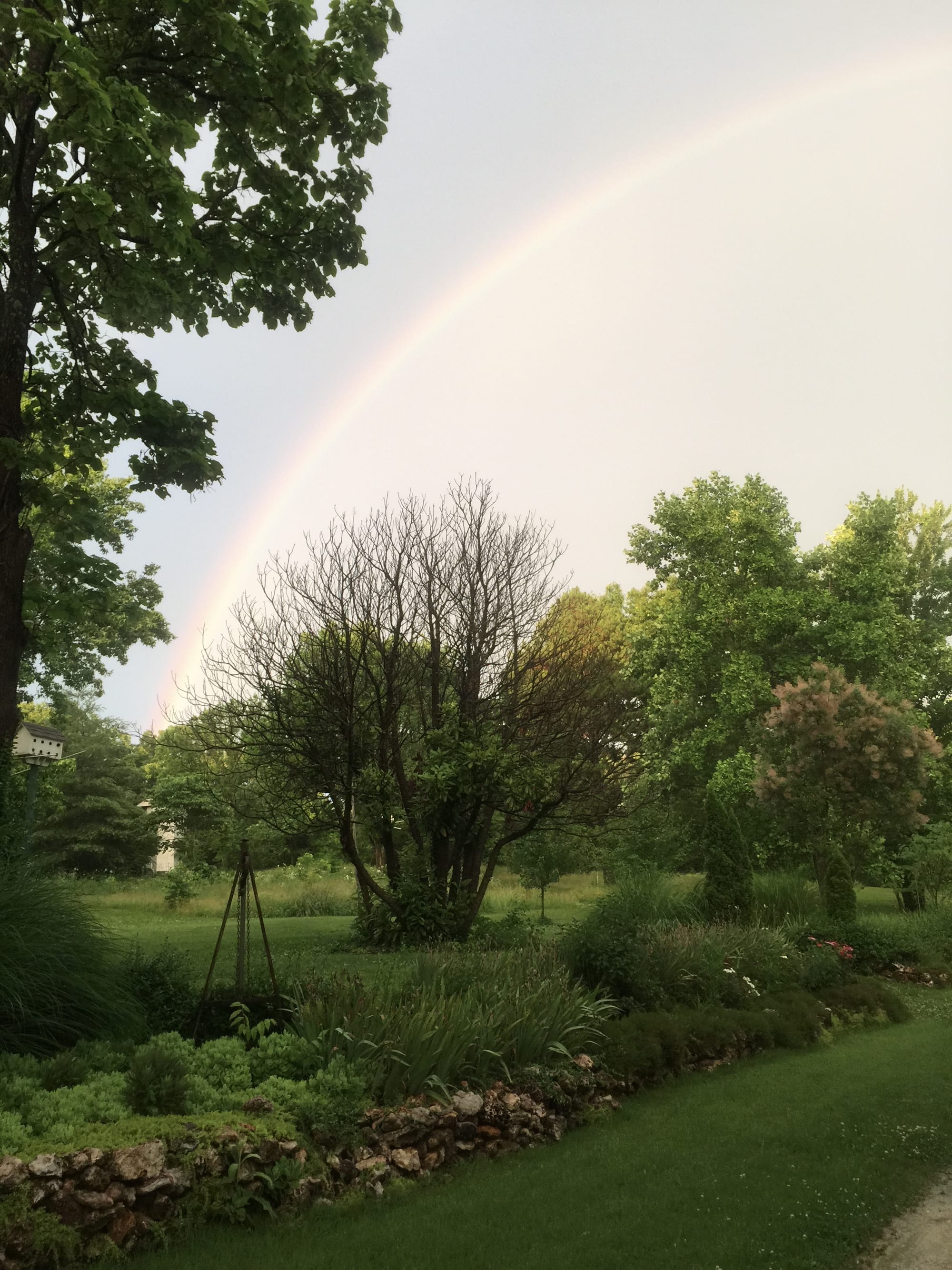
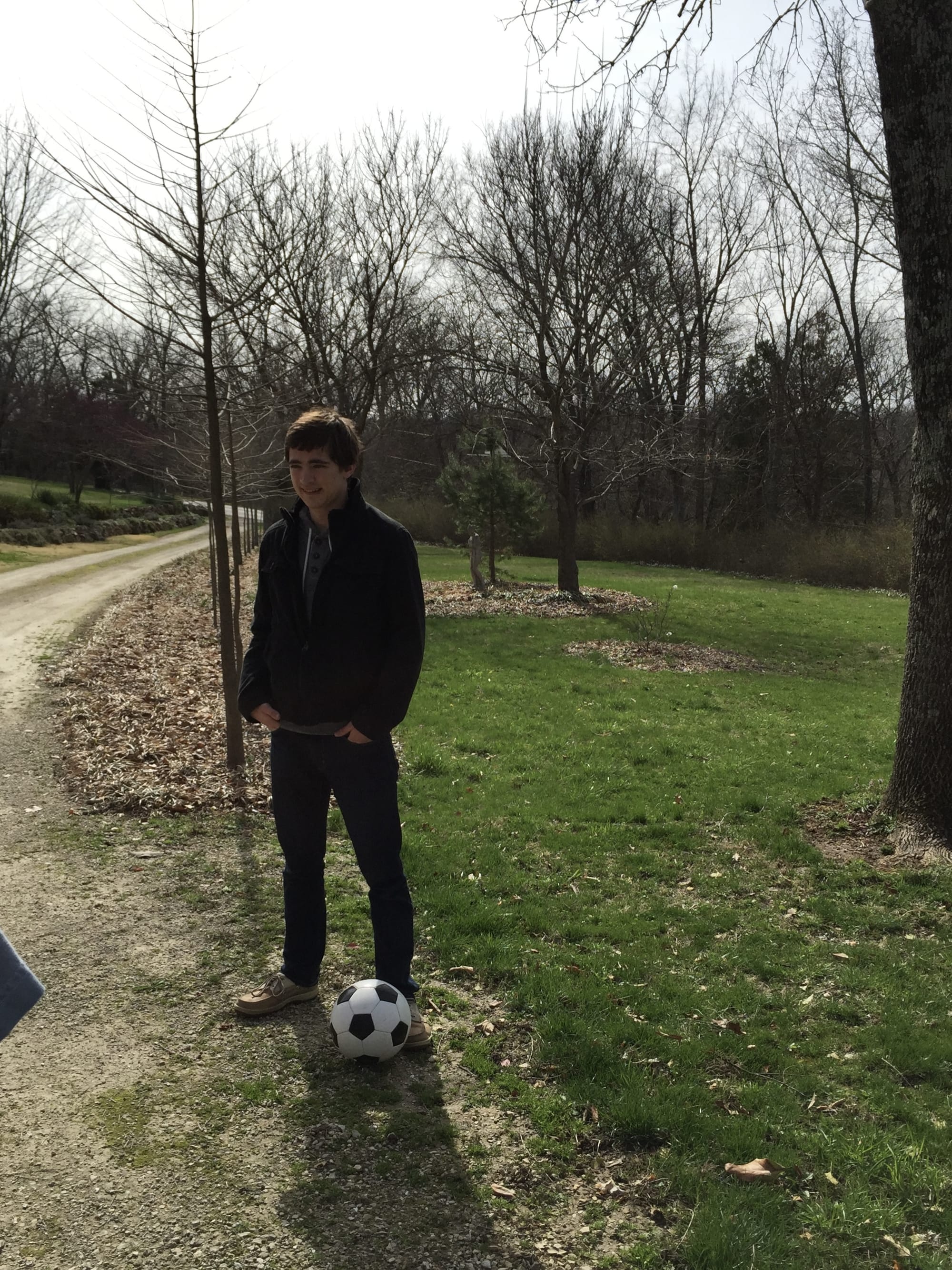
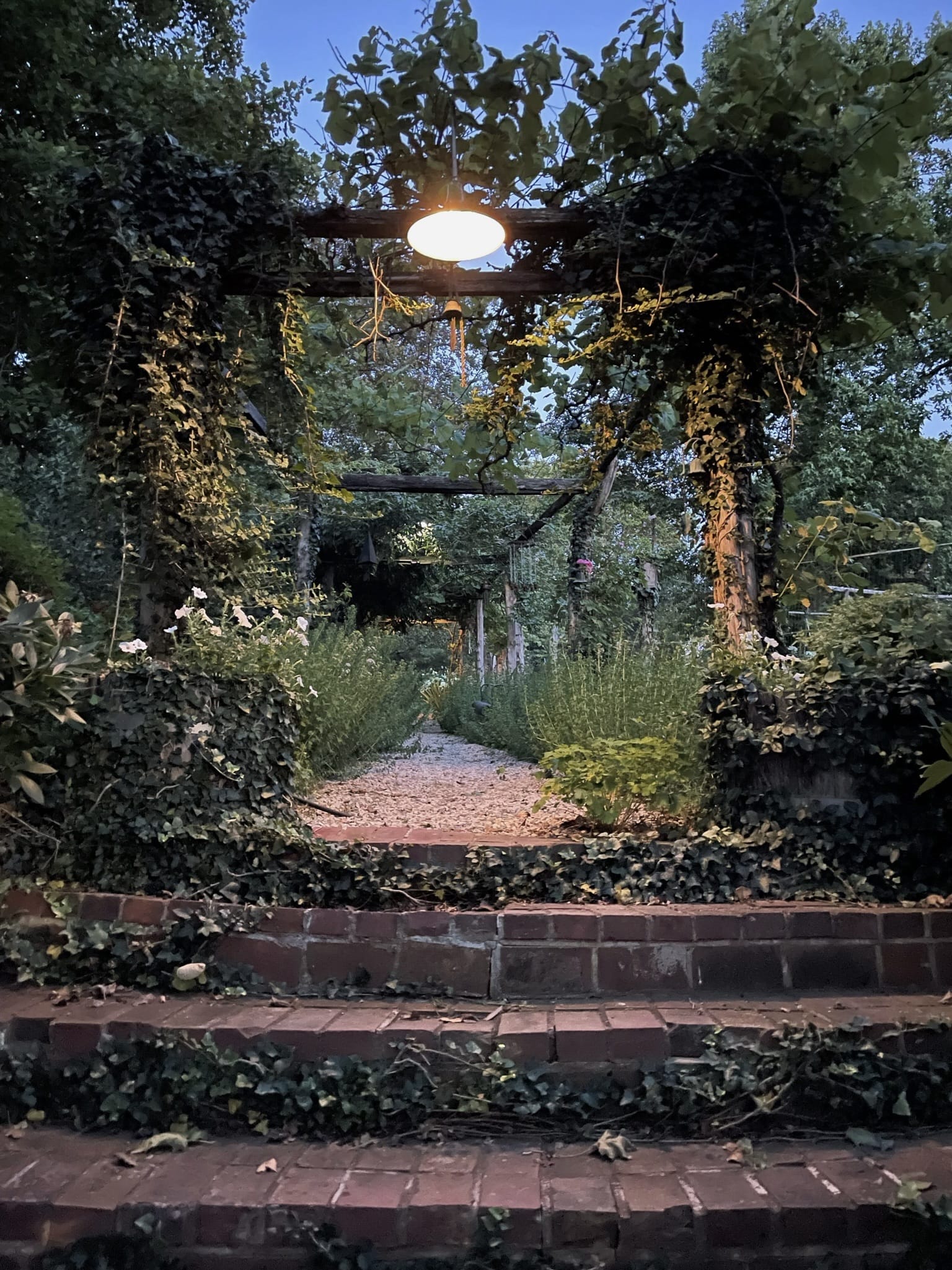
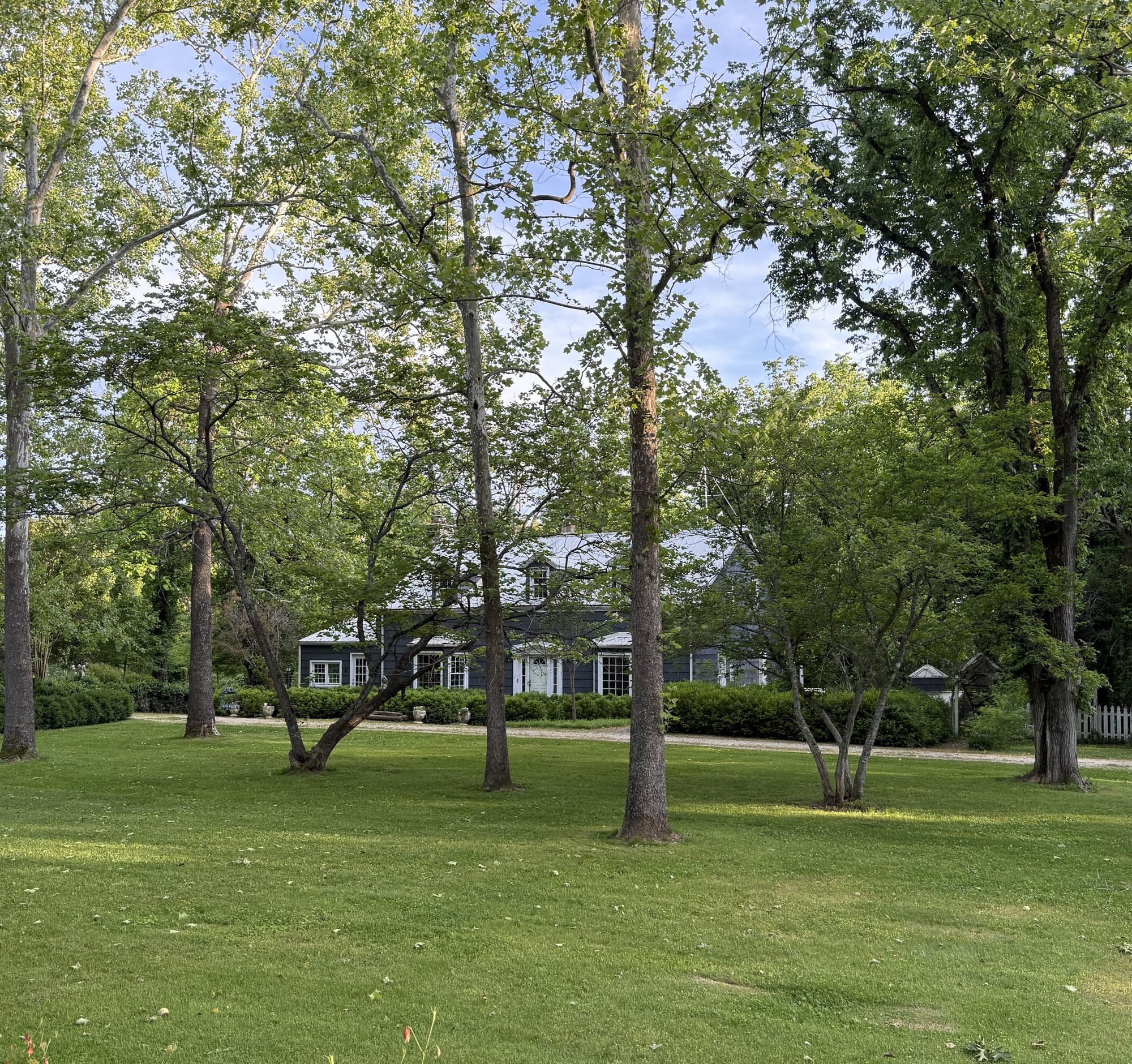
Recently I had the pleasure of visiting my parent’s home. Ever since I can remember, their place has been a lush, green sanctuary. Quiet—save for the birds, cicadas, and the occasional train rumbling past. No matter how many times I visit, I never feel like I capture enough photos.

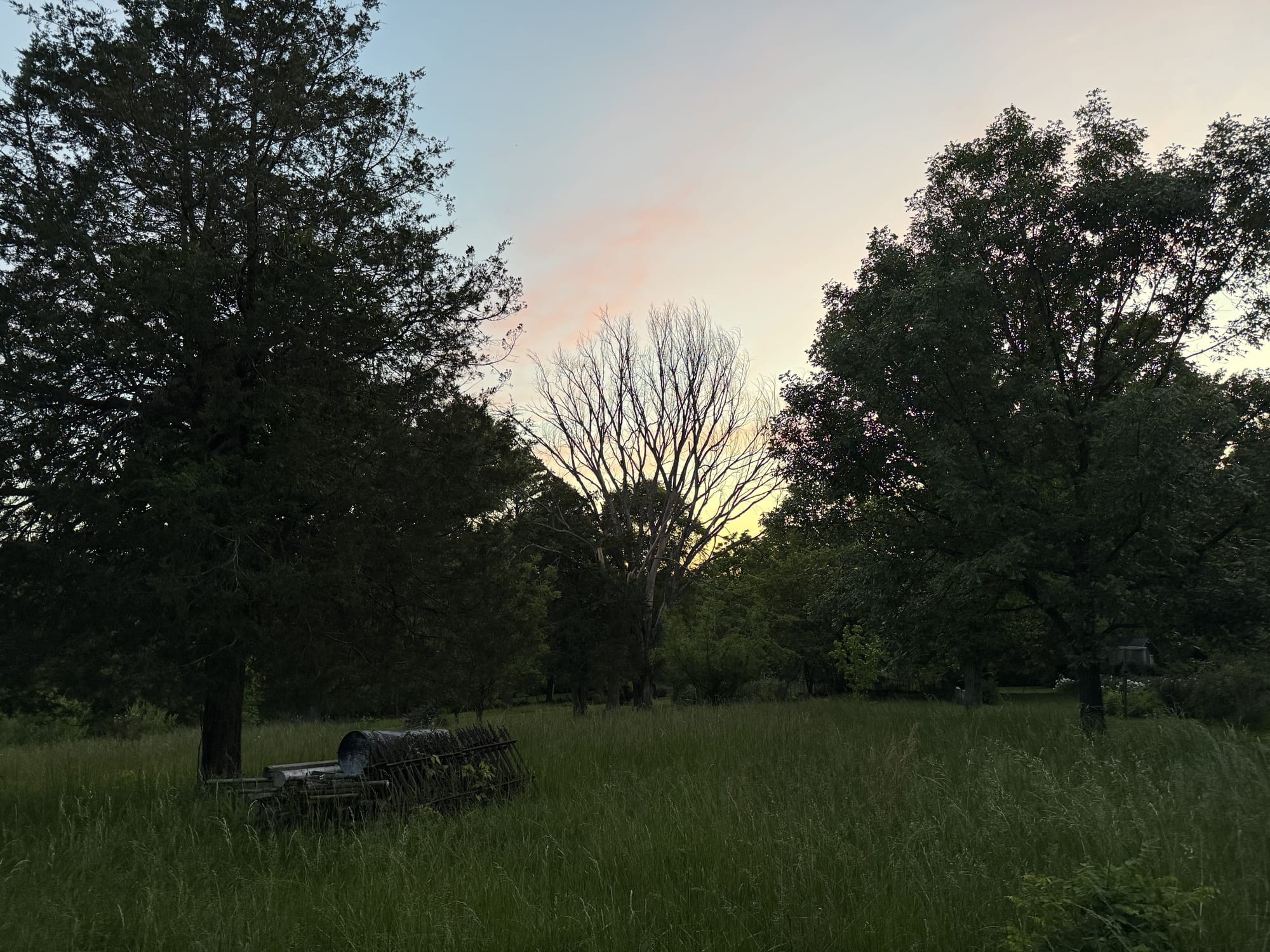
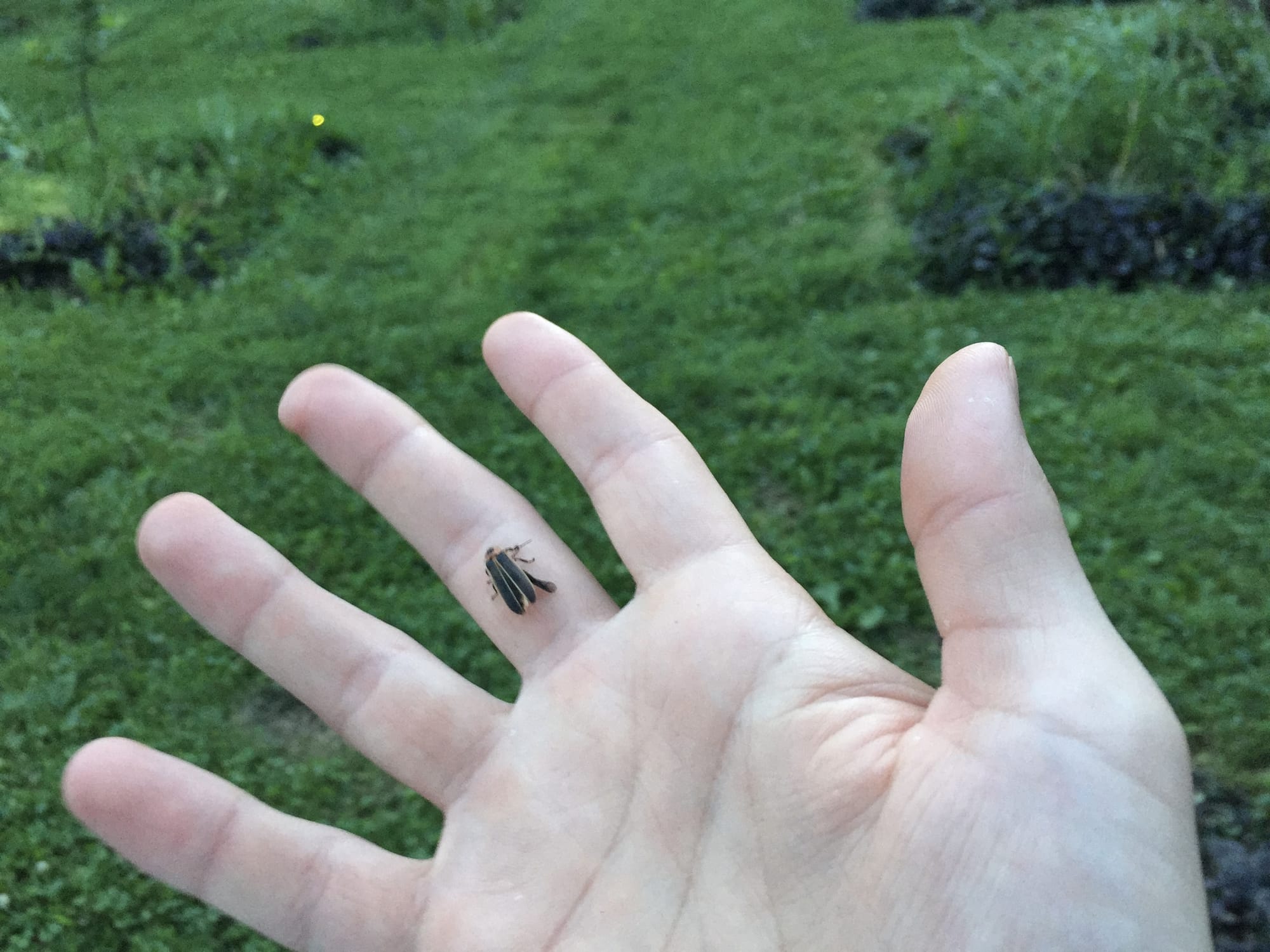
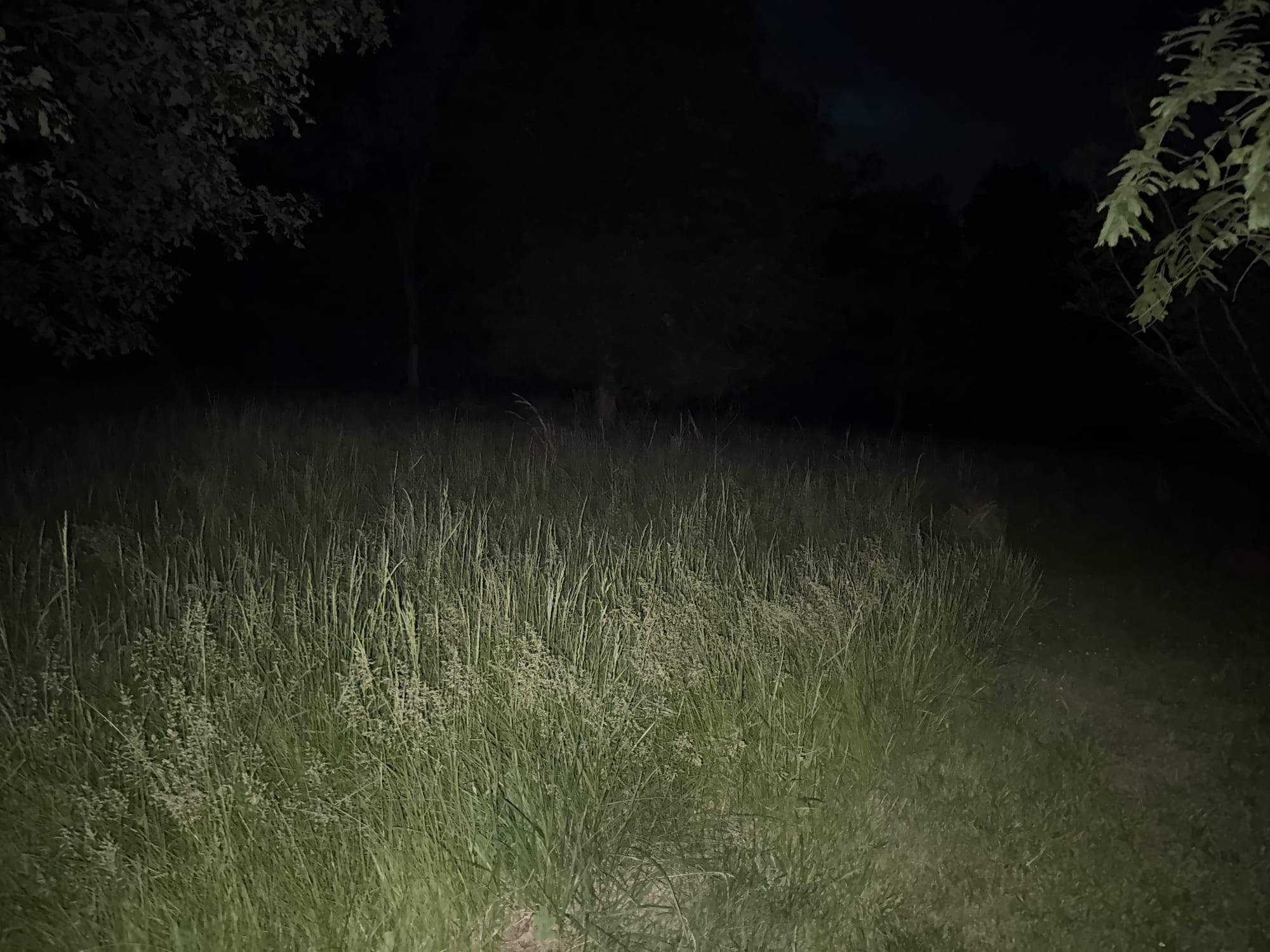
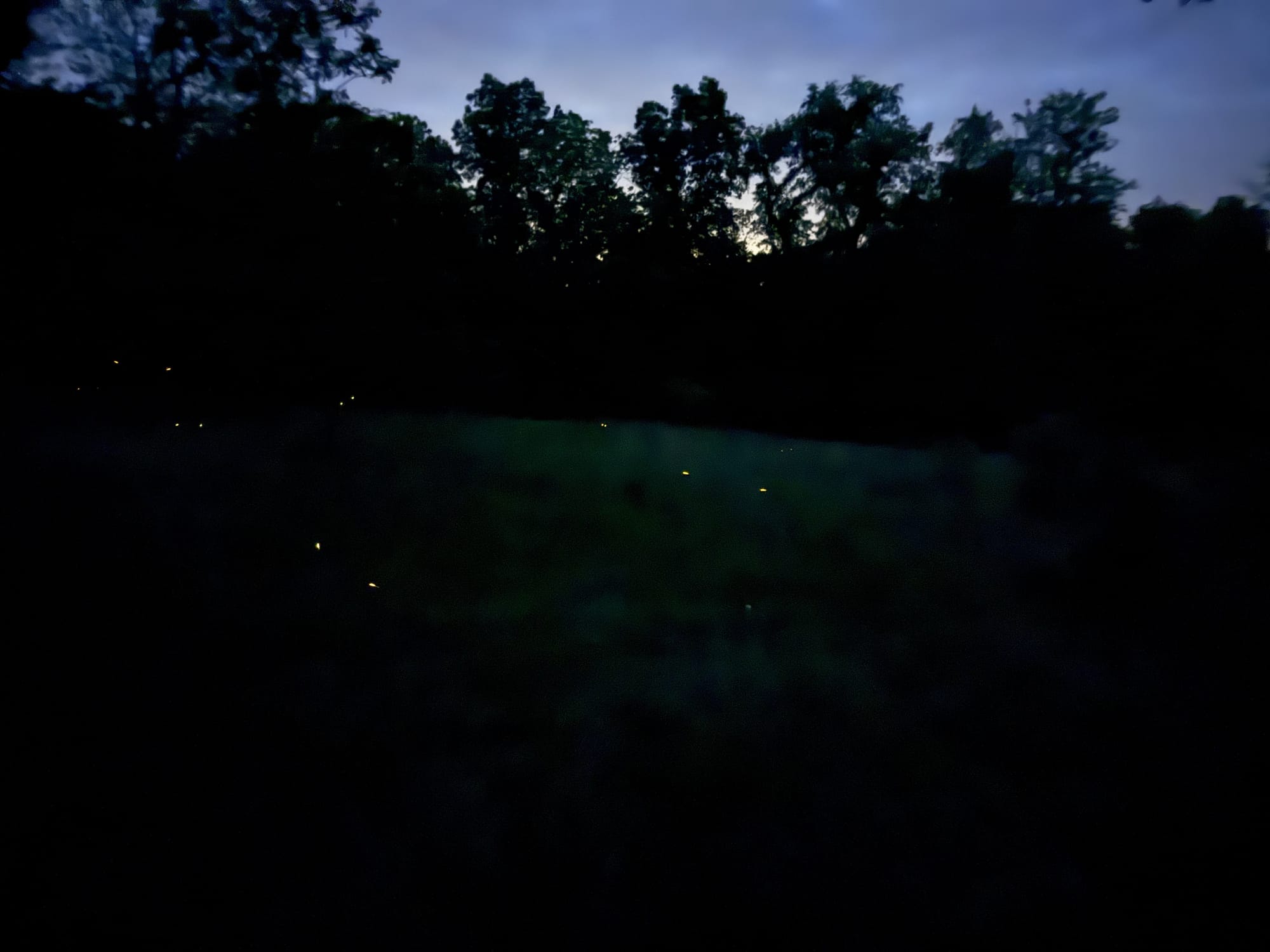
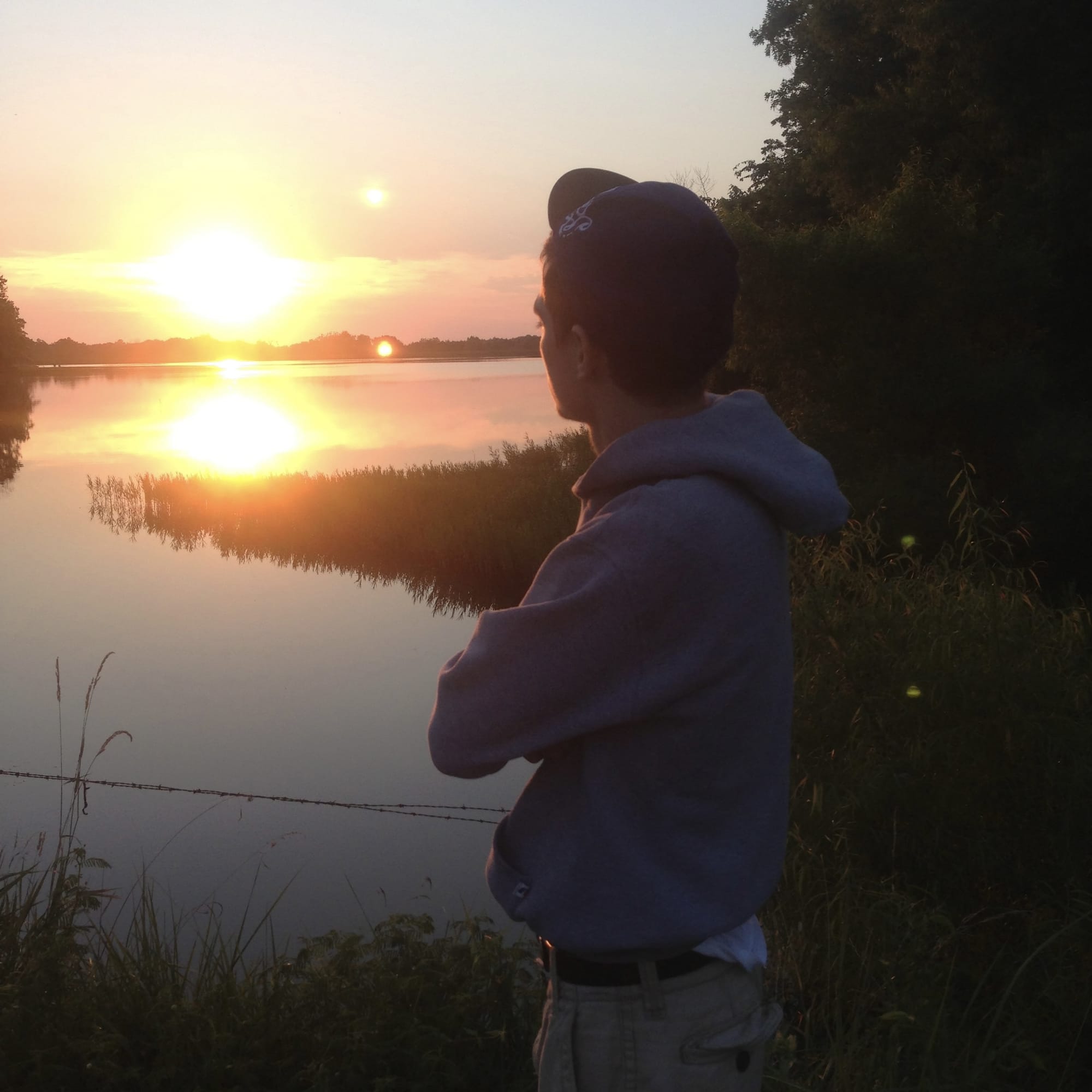
One evening, lightning bugs began their dance just as the sun was setting. I tried my best to capture them, but photographs never quite do the moment justice.

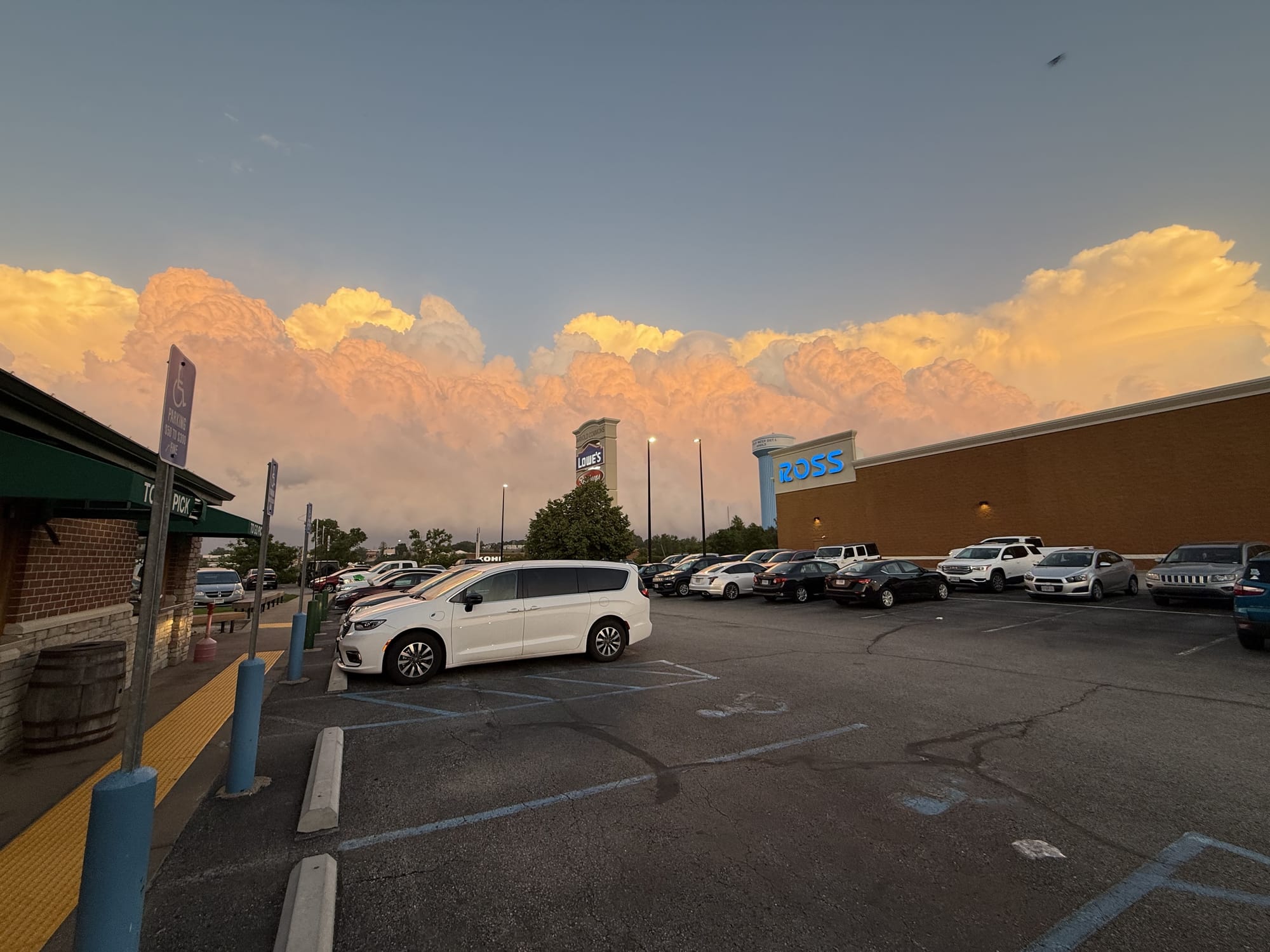
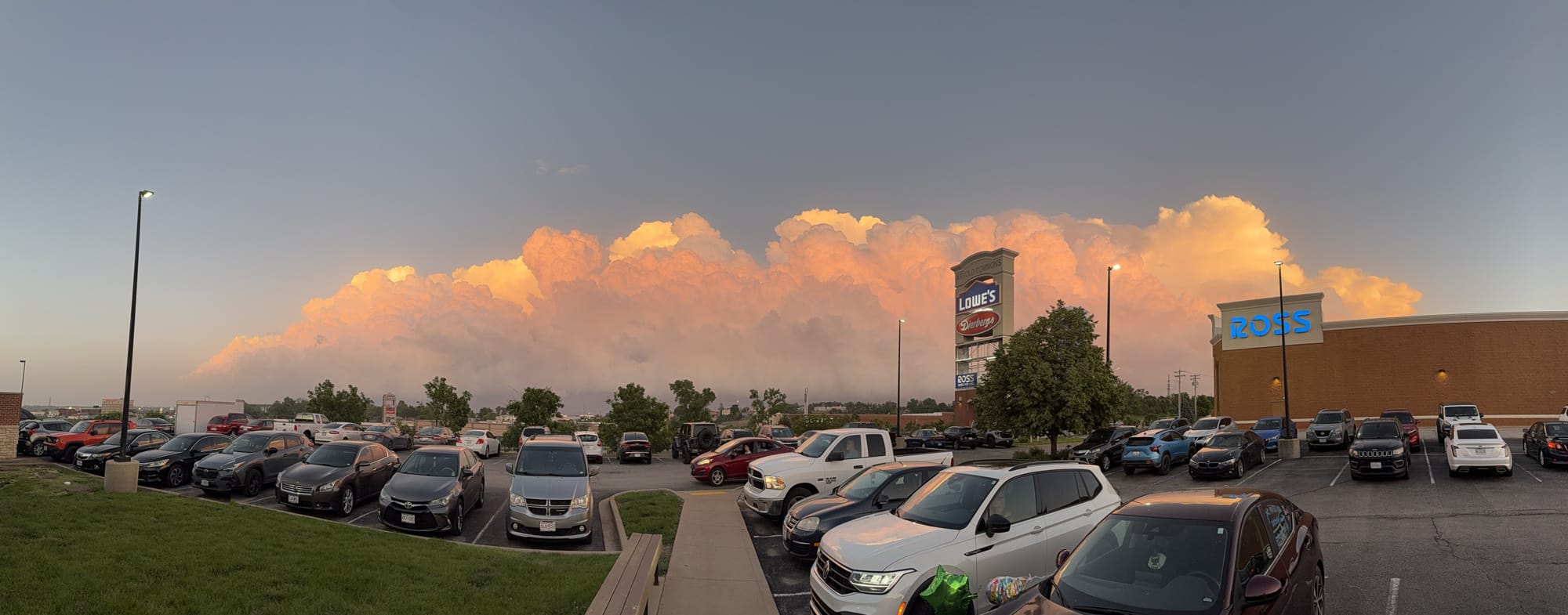
I've always admired the clouds here, but this time they were particularly... monumental. The kind that make you stop mid-step and crane your neck back like a kid.

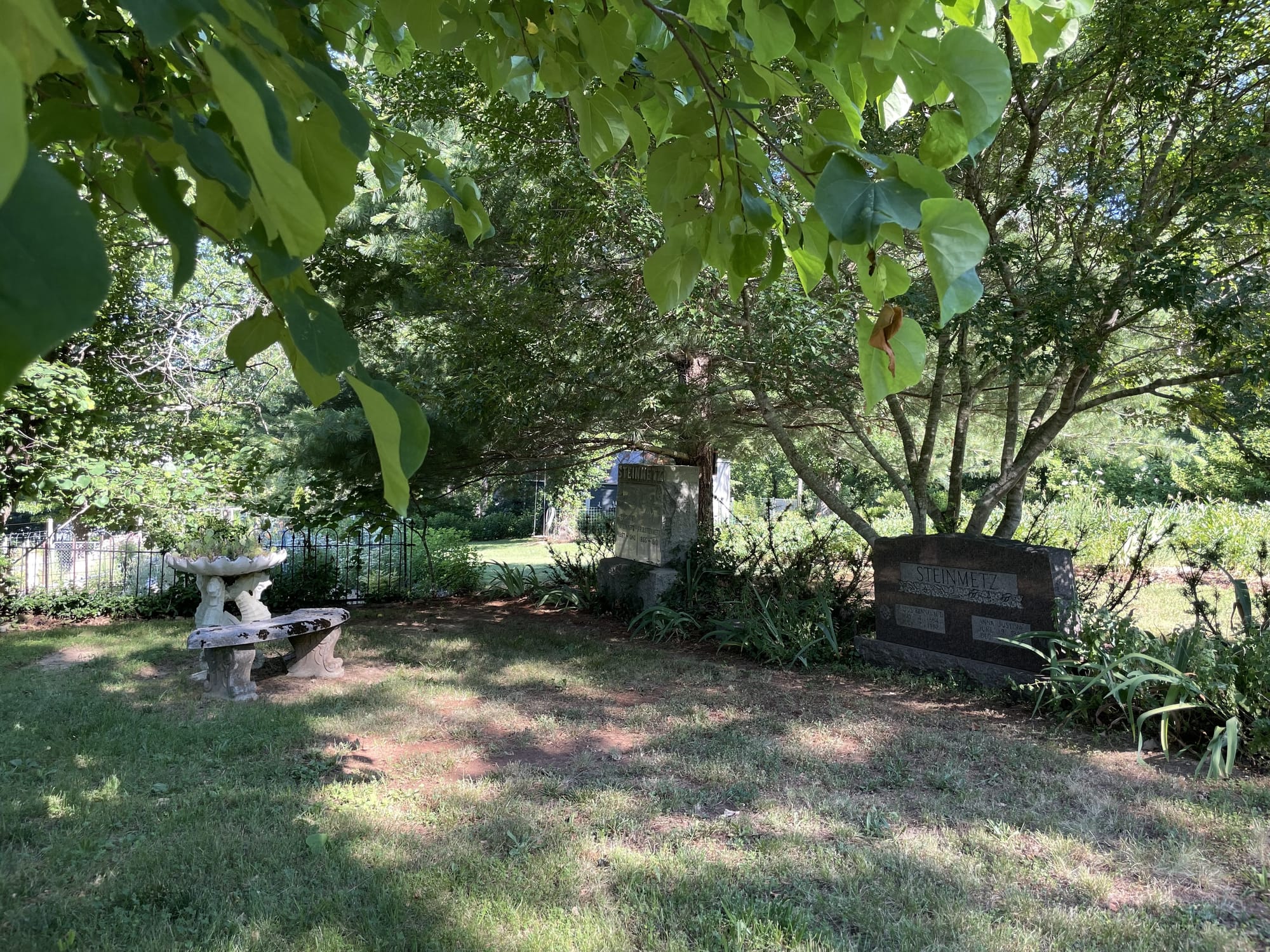
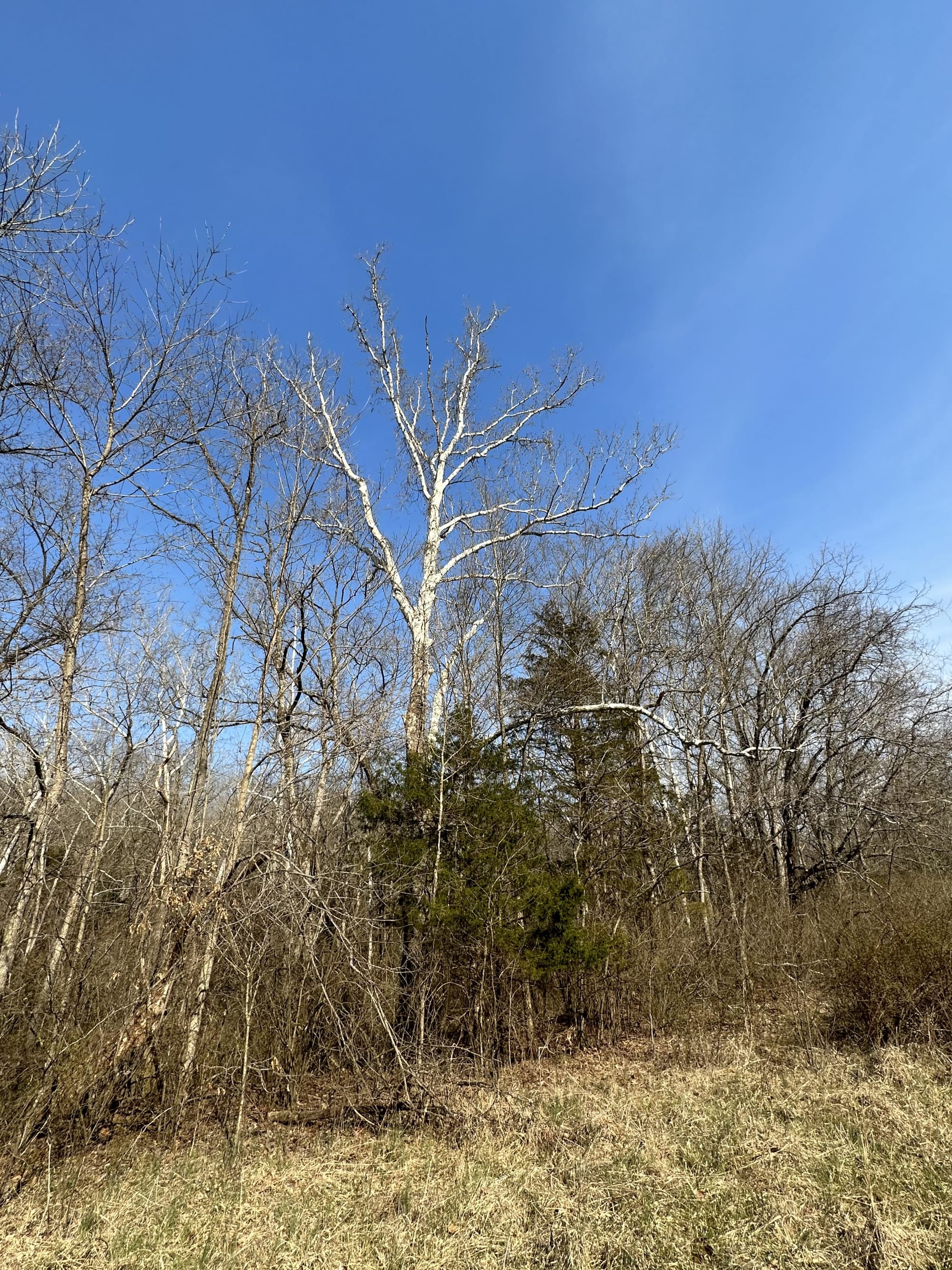
I made sure to walk the property and revisit all the nooks and crannies I'd discovered growing up. It's remarkable how different everything feels as you grow—the trees seem smaller, the distances shorter, but somehow the memories feel bigger.

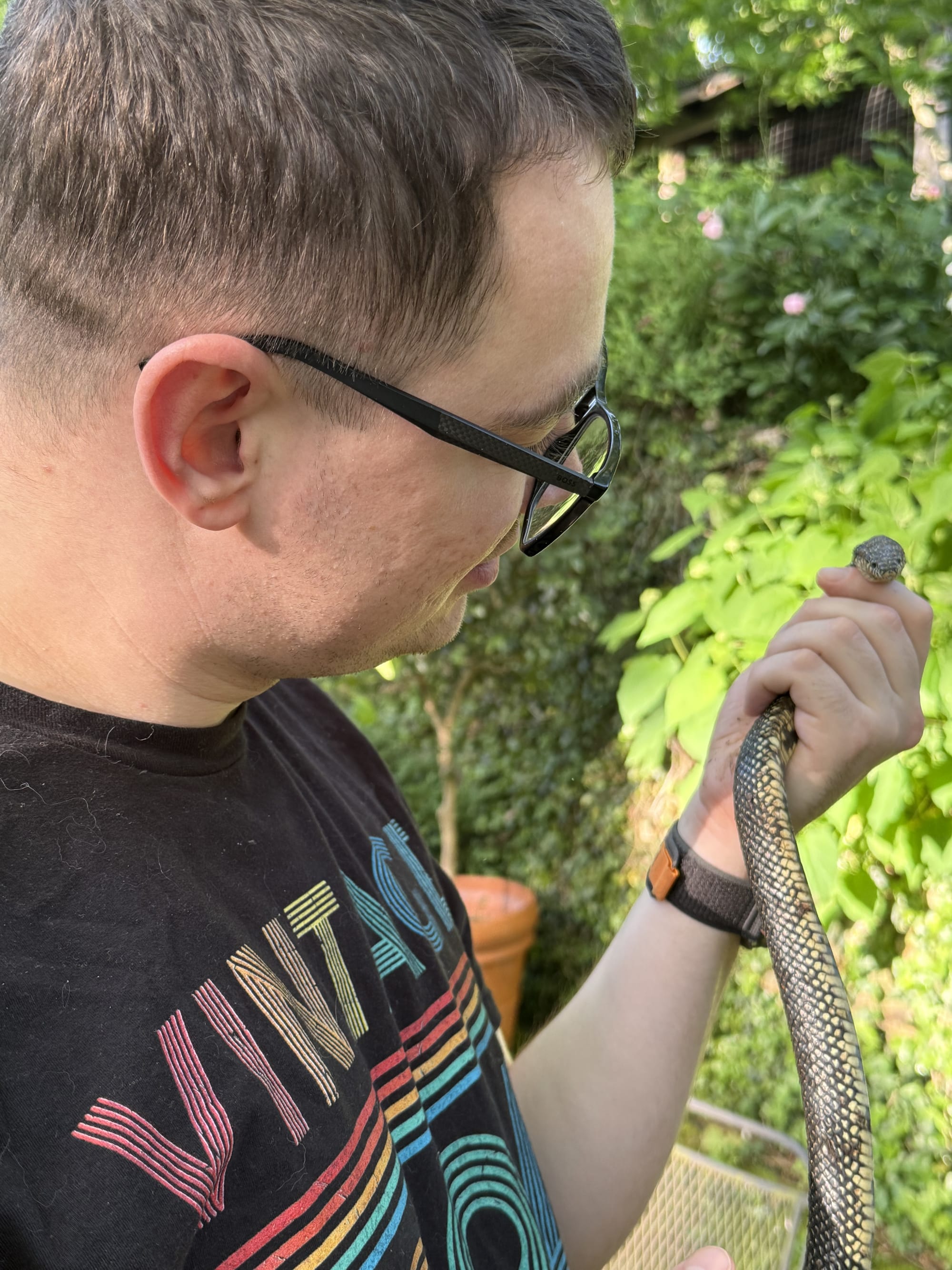
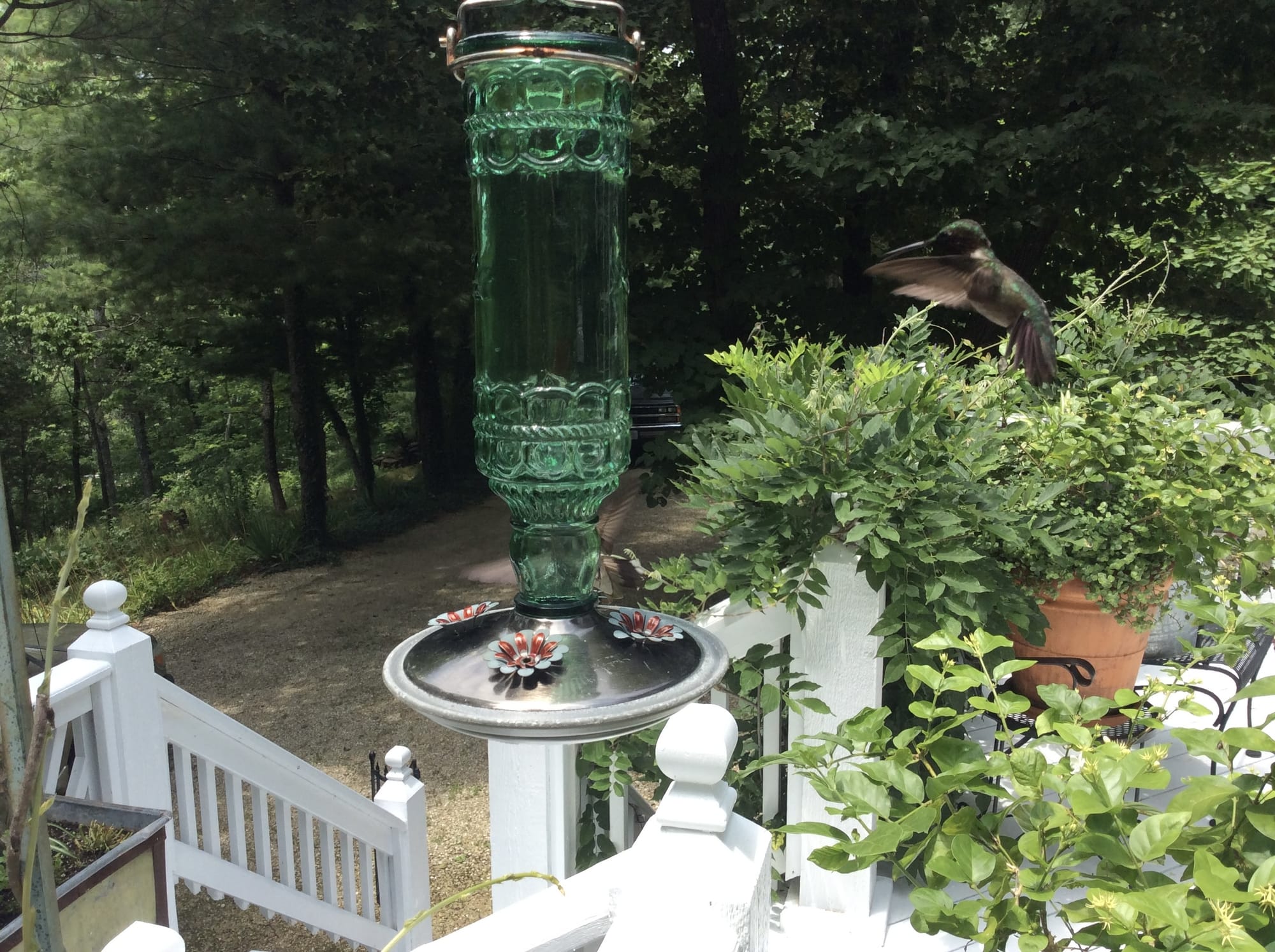
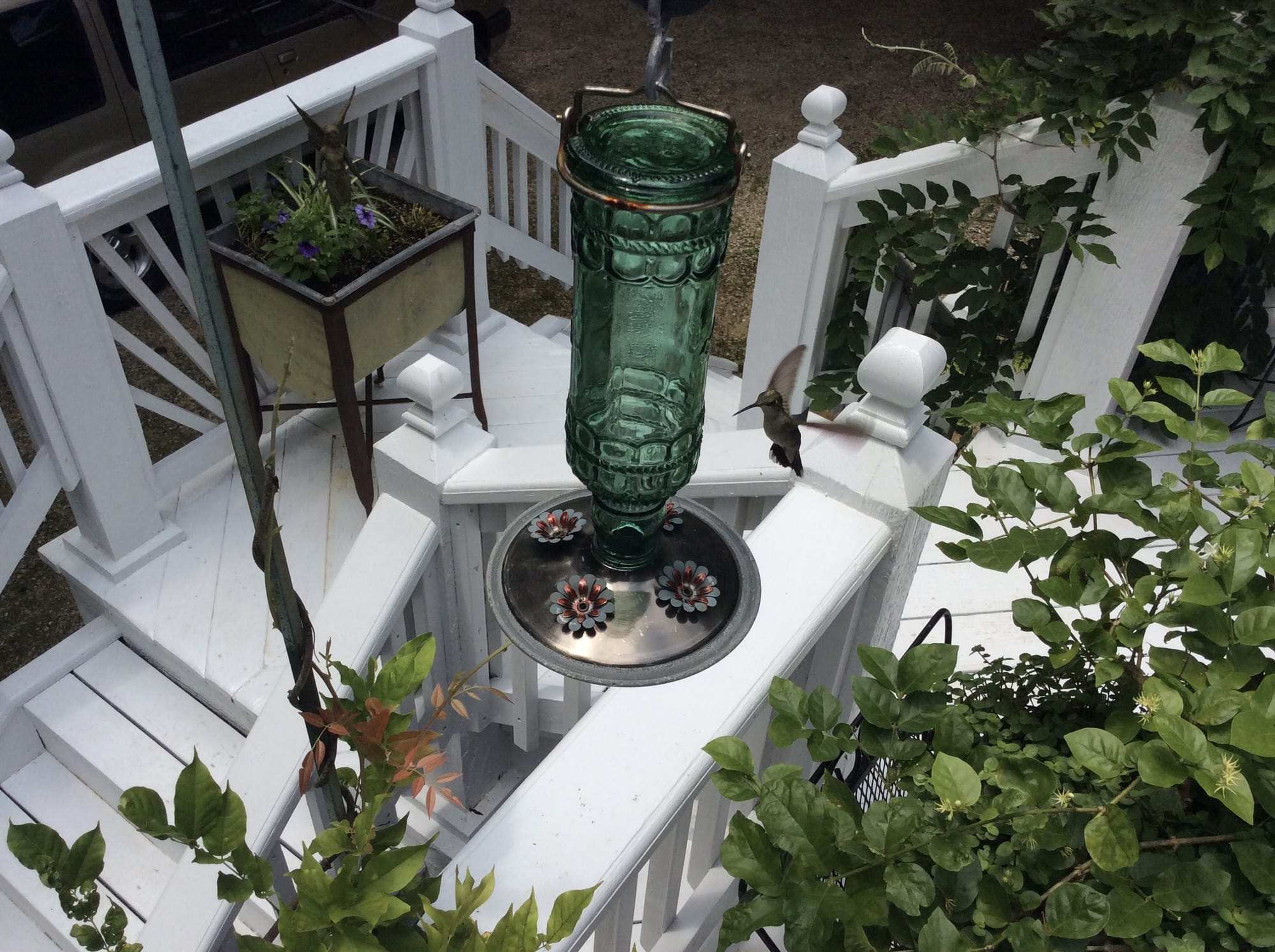
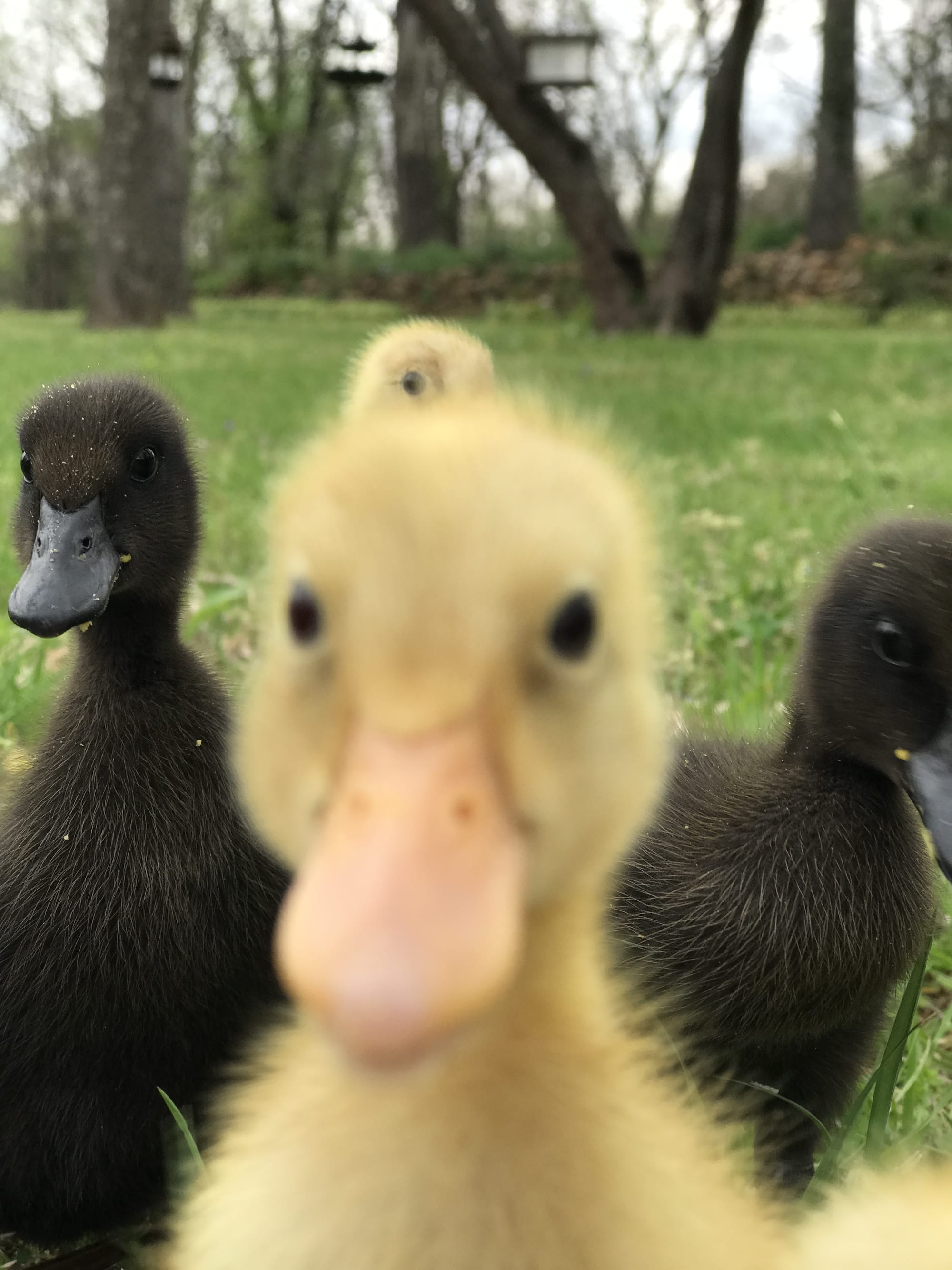
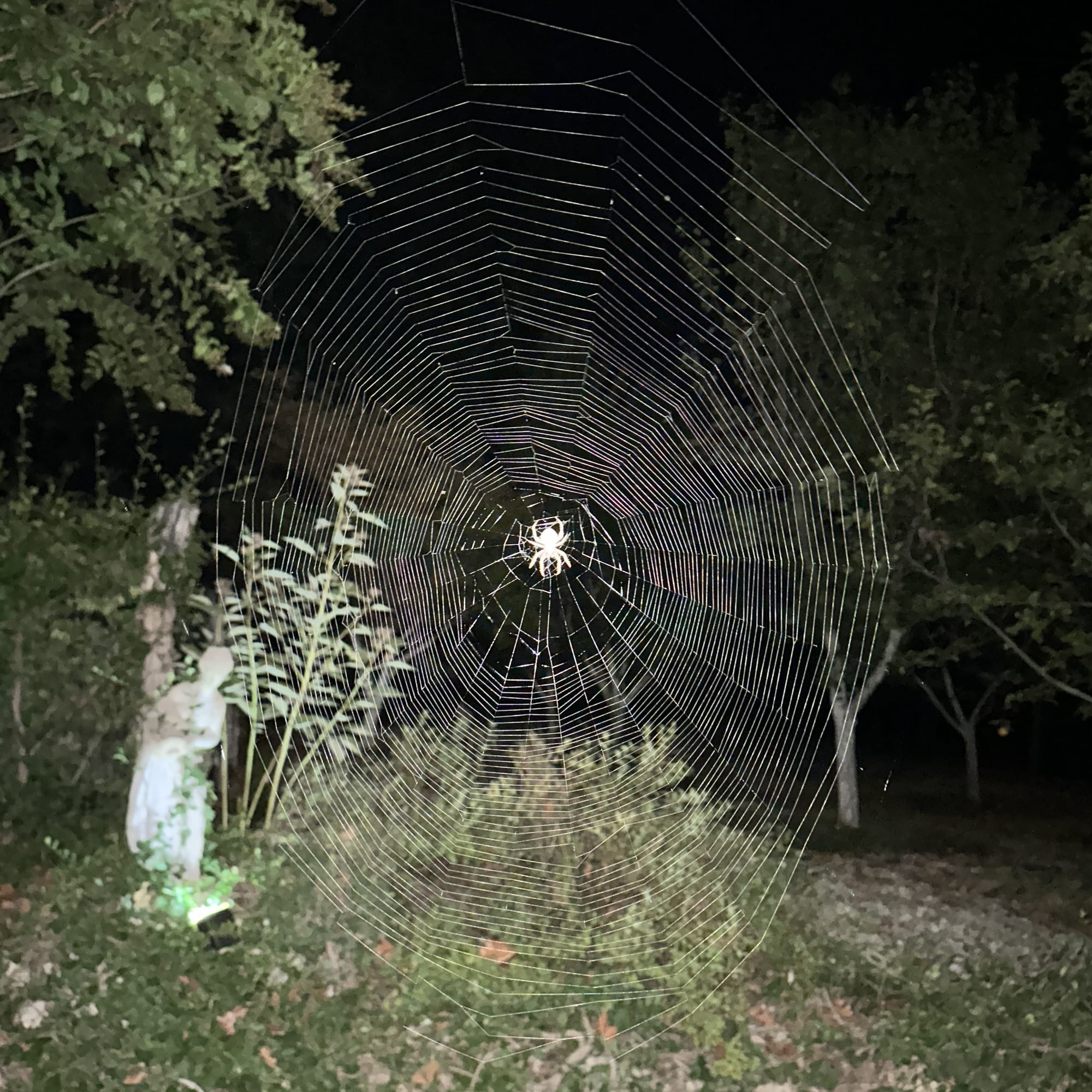
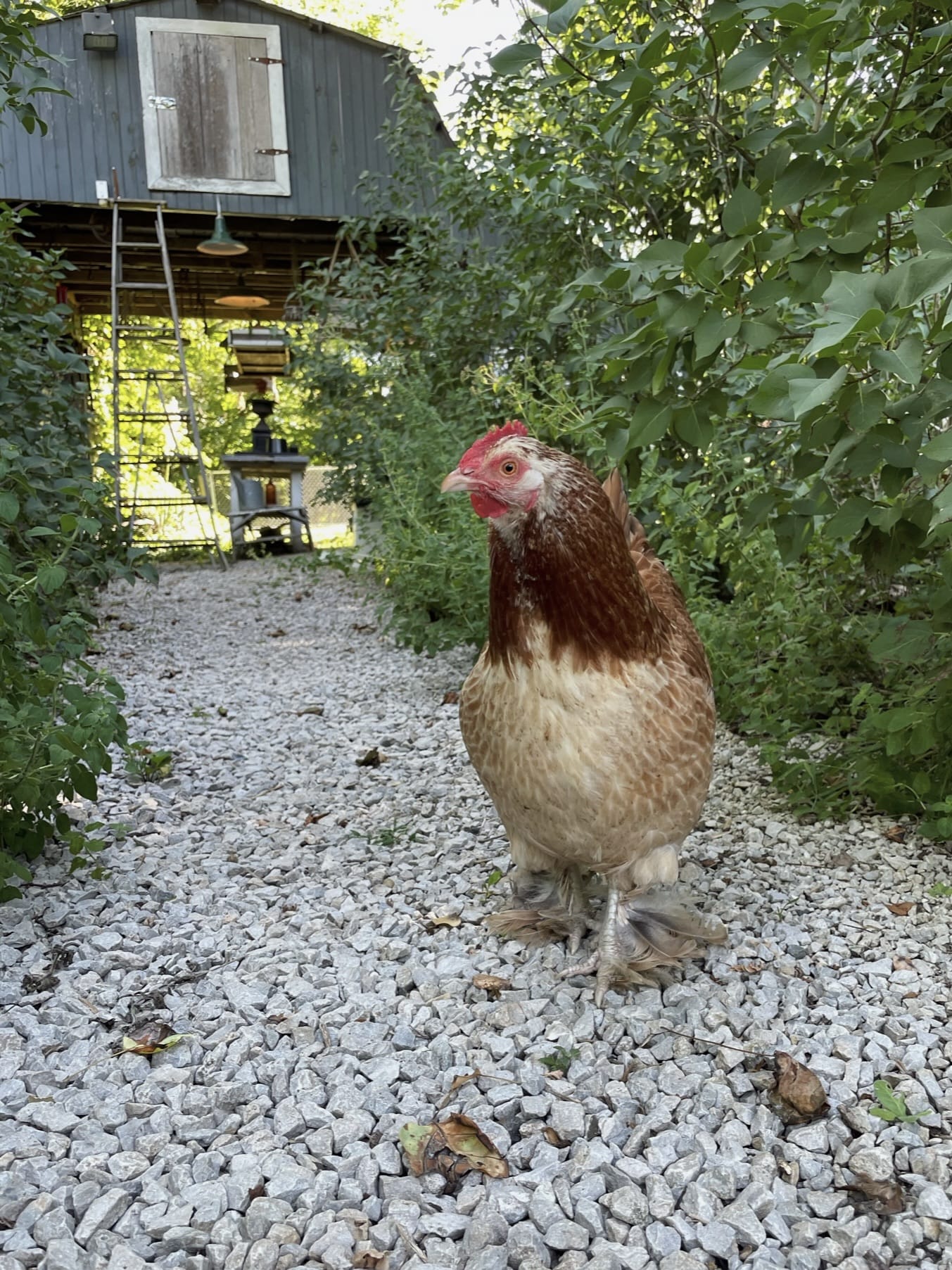
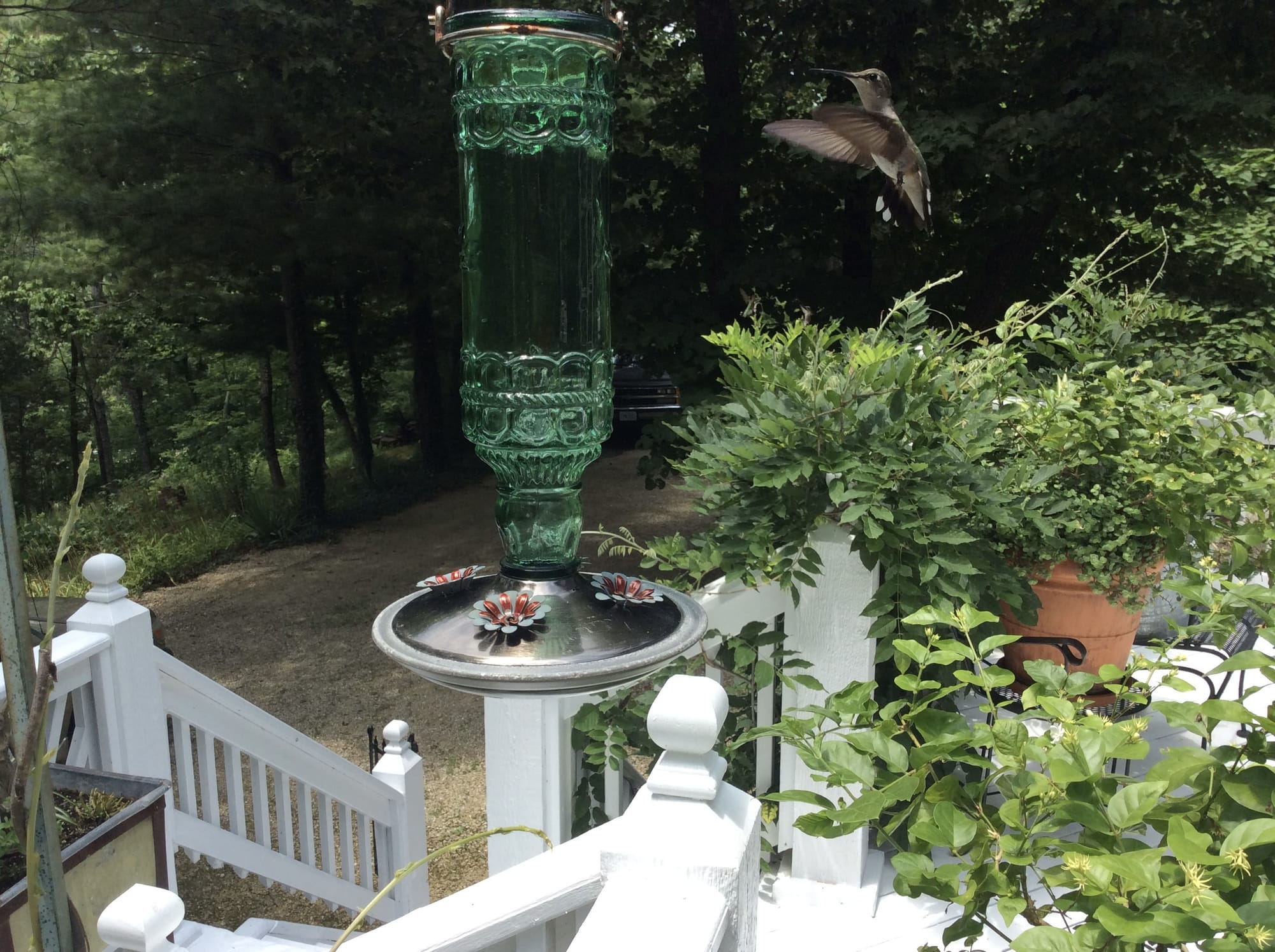
I found myself thinking about all the animals that have come and gone through our property over the years. Beyond our rotating cast of pets, this land has always been a haven for creatures great and small: cats stalking through tall grass, dogs chasing their tails in circles, chickens pecking at invisible treasures, ducks waddling with important purpose, snakes sunning themselves on warm rocks, spiders spinning architectural marvels between fence posts, turtles making their prehistoric pilgrimages across the yard, birds of every feather, and hummingbirds—those tiny, furious miracles—hovering at the feeders my mother faithfully fills.

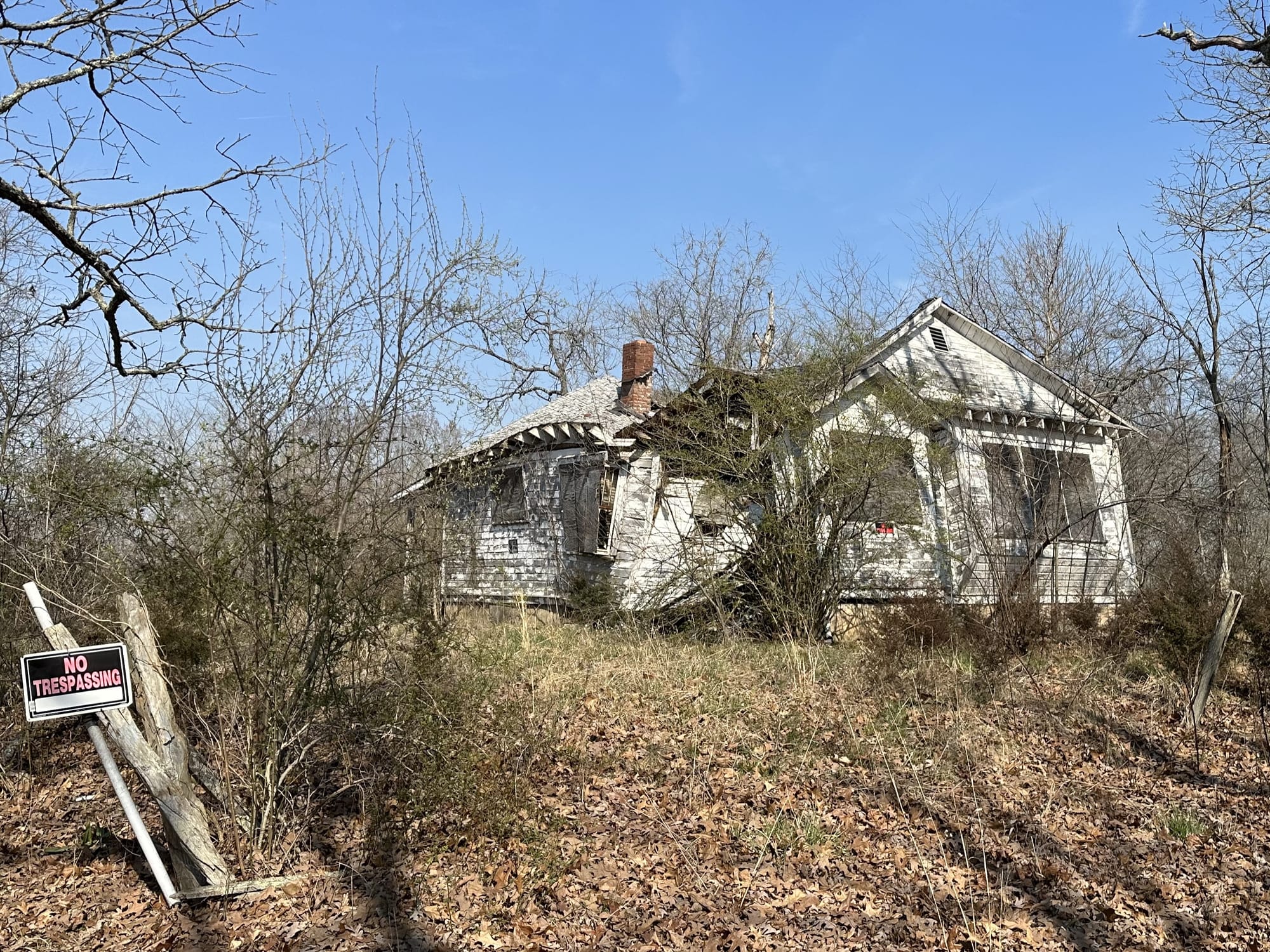
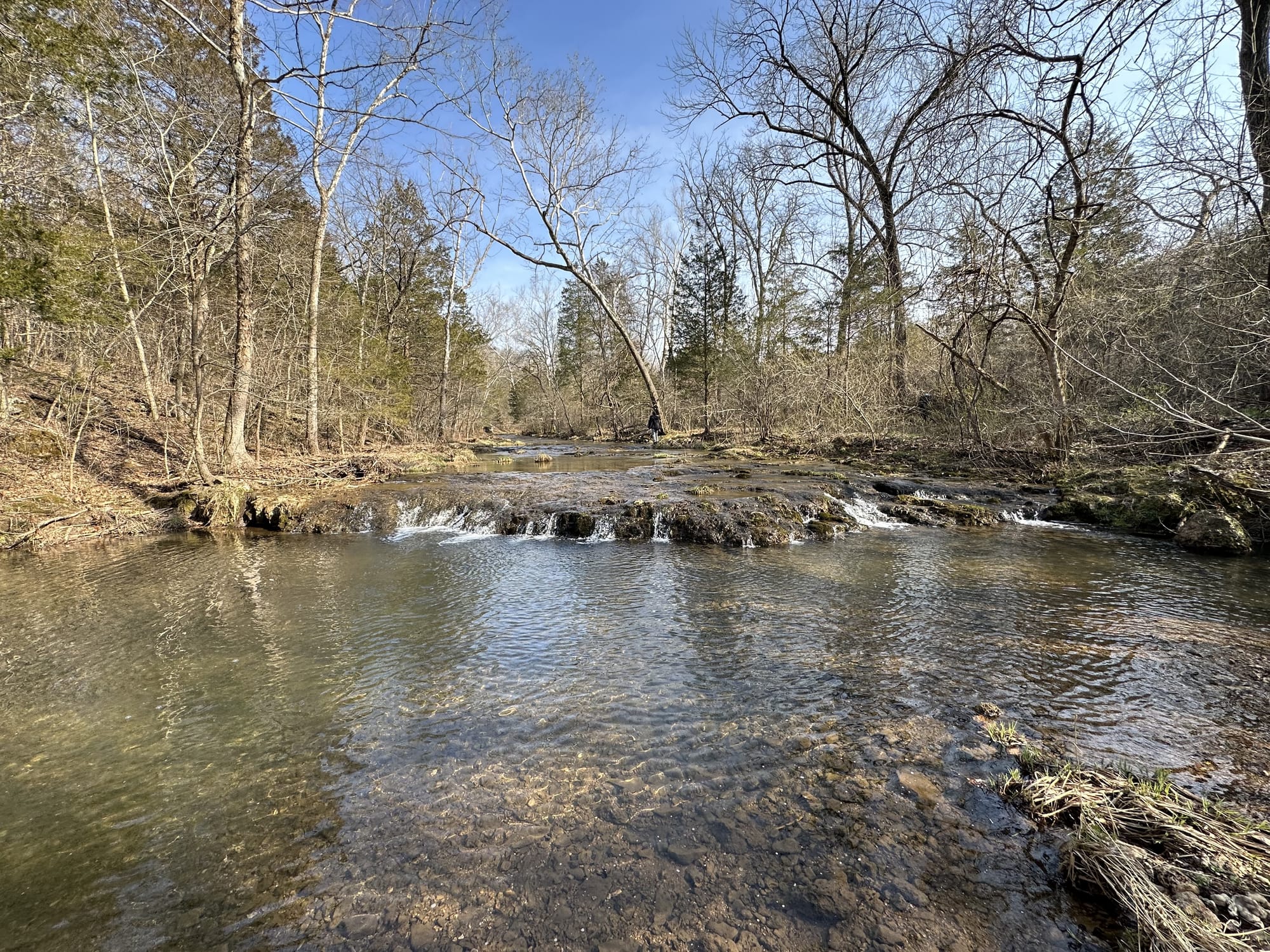
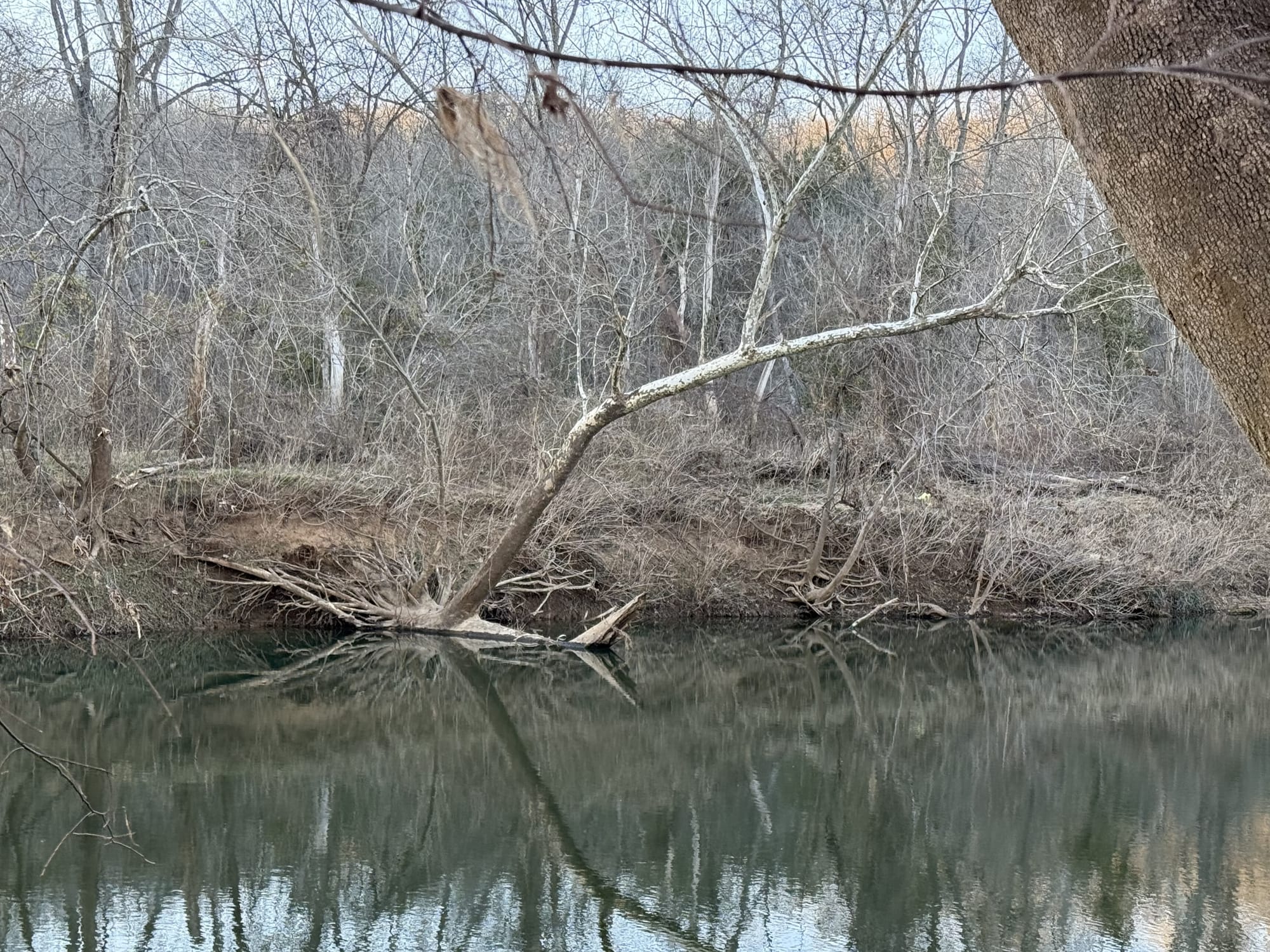
I visited the familiar landmarks scattered around our property too. The old shed, the creek bend, that one perfect climbing tree. They all look exactly the same, yet entirely different—like running into someone you knew in high school. You recognize them instantly, but time has added layers you're still trying to read.
Standing there, camera in hand, I realized I'll probably always feel like I haven't taken enough photos of this place. But maybe that's the point. Some things are meant to be felt more than captured—like lightning bugs at dusk, or the way home looks when you're finally old enough to see it clearly.

Ukrainian Alphabet

33 letters, one language, one millennium.

🇺🇦 🇺🇸 Recommended pronunciation (approx.)
А а A a as in father
Б б B b as in bat
В в V v as in vine (labio‑dental)
Г г H voiced h, like the Ukrainian “h” in Могила—between English h and German g in Tag
Ґ ґ G hard g as in go
Д д D d as in dog
Е е E e as in met
Є є Ye / Ie ye as in Yes at the start of a word; after a consonant = soft e
Ж ж Zh zh as in pleasure
З з Z z as in zoo
И и Y short i as in myth (central, unrounded)
І і I ee as in see
Ї ї Yi / Ï yee as in yeast at the start of a word; inside words like naïve ï
Й й Y / J consonantal y in boy; a quick “y‑glide”
К к K k as in skill (unaspirated)
Л л L light l as in lamp
М м M m as in man
Н н N n as in no
О о O pure o as in more (monophthong)
П п P p as in spin (unaspirated)
Р р R trilled r, like Spanish rápido
С с S s as in sun
Т т T t as in stop (unaspirated)
У у U oo as in boot
Ф ф F f as in fun
Х х Kh guttural ch as in German Bach
Ц ц Ts ts as in bits
Ч ч Ch ch as in church
Ш ш Sh sh as in ship
Щ щ Shch blended shch (say “fresh‑cheese” quickly)
Ь ь soft sign no sound; indicates preceding consonant is soft/palatalised
Ю ю Yu / Iu yoo as in union at word start; after a consonant = softened u
Я я Ya / Ia ya as in yard at word start; after a consonant = softened a

The Story of the Ukrainian Alphabet

The story of Ukrainian letters begins in the 9th century with two enterprising brothers from Thessalonica. Saints Cyril and Methodius created the Glagolitic script to write Old Church Slavonic, bringing the gospel to Slavic pagans in their own tongue. This script—full of curious looped characters—quickly spread to Kievan Rus' after Prince Vladimir's conversion in 988. (The famous Ostromir Gospels of 1056 remain the oldest East Slavic book written in Cyrillic.) Soon a new Early Cyrillic alphabet, adapted by Bulgarian scribes from Greek letters with Glagolitic influences, took root in Eastern Slavic lands. Ukraine's ancestors thus inherited the general shape of Cyrillic letters from Byzantium, even as their spoken language was already diverging from Church Slavonic. While Glagolitic script persisted in some western South Slavic regions, it gradually faded in the East, yielding completely to Cyrillic for both liturgy and secular writing.

Under the Polish-Lithuanian Commonwealth, which ruled much of Ukraine from the 14th to 18th centuries, diverse spelling traditions flourished. Scholars like Meletii Smotrytskyi (early 17th century) codified Church Slavonic letters, adding new characters like Я, Е, and even Ґ while establishing formal grammar rules. Peter the Great's 1708 Civil Script reform in Russia inevitably influenced Ukrainian literacy as well: it eliminated archaic letters (Ѯ, Ѱ, Ѡ, Ѧ) and westernized letter shapes, spurring Ukrainian intellectuals to develop their own alphabetic responses. Throughout the 1800s, many Ukrainian writers advocated for phonemic spelling—following the example of Serbian reformer Vuk Karadžić—but conservatives (the so-called "Old Ruthenians" and Russophiles) resisted anything that smacked of "vulgar" vernacular. This period earned the nickname "War of the Alphabets," as newspapers and grammar texts battled between Russian-influenced orthographies and emerging Ukrainian systems.

The death blow nearly came in 1876 when Tsar Alexander II issued the infamous Ems Ukaz. This decree banned printing in Ukrainian (Latin script was already forbidden) and forced Ukrainian texts to adopt Russian spelling conventions—the lifeless "Yaryzhka" orthography. Publications using the phonetic Kulishivka orthography were driven underground, and Ukrainian letters teetered on the brink of extinction until the 1905 Revolution loosened restrictions. Meanwhile, in Austrian-controlled Galicia, a more nationally conscious script called the Zhelekhivka (1893) thrived. When Ukraine briefly gained independence during the chaos of 1917–1919 (through the Central Rada, Hetmanate, and other short-lived governments), the nation finally proclaimed its own official Ukrainian orthography.

Soviet power initially brought an unexpected gift: the policy of "Ukrainization." In 1927–28, a major conference in Kharkiv, led by Education Commissar Mykola Skrypnyk, crafted a unified Ukrainian orthography. This Skrypnykivka of 1928 masterfully balanced eastern and western spelling traditions, winning acceptance from both Soviet authorities and the diaspora. For one brief, shining moment, Ukrainian had a spelling system tuned to its own phonetics rather than Russian etymology.

But Stalin had other plans. By 1933, Ukrainization was denounced as a "nationalist deviation," and the alphabet was wrenched back toward Russian norms. The distinctive letter ґ (Ukrainian "ge") was purged, replaced by the Russian-style "г"; native combinations like льо and ля were altered; and older etymological spellings were resurrected. A new official orthography (dubbed the Postyshevka) appeared in 1936, with minor tweaks in 1945 and 1960, systematically erasing Skrypnyk's reforms. (Skrypnyk himself tragically took his own life in 1933 rather than face Stalin's show trials for "alphabet nationalism.") In Western Ukraine and among the global diaspora, however, the 1928 orthography lived on for decades as a symbol of resistance.

During Khrushchev's Thaw and especially under Gorbachev's Perestroika (1986–91), Ukrainian scholars began reclaiming their native letters and rules. In 1990, a new orthography triumphantly reinstated ґ and even reshuffled the alphabetical order (moving the soft sign Ь before Ю). By the time Ukraine declared full independence in 1991, the alphabet had assumed its essentially modern form. Today it contains 33 letters—10 vowels, 21 consonants, and 2 signs—including the distinctive Є, І, Ї, and Ґ that neither Russian nor Belarusian possess.

After 1991, the Ukrainian alphabet transformed from a mere writing system into a powerful symbol of nationhood. Schools and media standardized the post-1990 script, and in 2019 a new round of reforms restored several features from the 1928 Kharkiv orthography. Ukraine's National Orthography Commission explicitly stated that the 2019 edition "brought back" elements discarded during the 1933 Russification. While the practical changes mainly affected foreign name transliterations and pronunciation rules, the reform carried deep cultural significance: Ukraine was reclaiming a heritage long suppressed.

Walk through any Ukrainian classroom today and you'll see children learning their alphabet (called "азбука" or "абетка") with special emphasis on uniquely Ukrainian letters like Ґ and Ї. Every passport, every banknote, every street sign uses this Cyrillic script, asserting continuity with a thousand-year tradition. The alphabet appears everywhere in popular culture—from editions of Taras Shevchenko's immortal "Кобзар" (originally penned in 19th-century orthography) to modern street art celebrating individual letters. The Ukrainian script has become both tool and totem: it has outlived emperors and commissars, bent but never broken, and now stands proudly at the heart of national identity.

Ukrainian Anthem

Ukraine’s glory has not yet perished, nor her freedom.

Ще не вмерла України, і слава, і воля, Ukraine’s glory has not yet perished, nor her freedom,
Ще нам, браття молодії, усміхнеться доля. Upon us, young brothers, fate shall smile once more.
Згинуть наші вороженьки, як роса на сонці, Our enemies will vanish, like dew before the sun,
Запануєм і ми, браття, у своїй сторонці. And we too shall reign, brothers, in our own land.
Душу й тіло ми положим за нашу свободу, We’ll lay down our soul and body for our freedom,
І покажем, що ми, браття, козацького роду. And we’ll show that we, brothers, are of the Cossack line.

The Story Behind the Anthem

Ukraine's national anthem began as a poem written in 1862 by Pavlo Chubynsky, a young Ukrainian ethnographer in Kyiv. Its stirring first line – "Ukraine has not yet died" – expressed defiant hope for the nation's future. Legend has it that Chubynsky found inspiration at a student gathering after hearing a Serbian patriotic song. Even Polish patriots note similarities between Ukraine's anthem and their own "Poland Is Not Yet Lost." The poem's powerful message alarmed Tsarist authorities, who exiled Chubynsky as a "dangerous influence" shortly after he penned these verses. In 1863, his poem first appeared in print in the newspaper Meta in Lviv (then part of the Austrian Empire), where people began singing it as a hymn of Ukrainian spirit.

The transformation from poem to song happened quickly. In 1863, Mykhailo Verbytsky, a Ukrainian Greek-Catholic priest and composer from Galicia, created a melody for Chubynsky's words. By 1864, choirs in Lviv were performing the song, and it rapidly spread throughout Western Ukraine. One particularly significant performance occurred on March 10, 1865, during a memorial service for Taras Shevchenko in Przemyśl (now in Poland). This date would later be chosen as Ukraine's annual Anthem Day. The timing was deeply symbolic – Shevchenko, Ukraine's most beloved poet and sometimes called "the Ukrainian Shakespeare," had died in 1861. By featuring the new anthem at his memorial, Ukrainians connected it forever to their cultural revival. From then on, "Shche ne vmerla Ukraina" ("Ukraine Has Not Yet Perished") became the song of choice at patriotic gatherings, spreading among all who dreamed of self-rule.

The anthem's political significance grew during the turbulent years of World War I and its aftermath. Between 1917 and 1919, as Ukraine briefly tasted independence, various Ukrainian states adopted "Shche ne vmerla Ukraina" as their national anthem – including the Ukrainian People's Republic in central Ukraine and the West Ukrainian People's Republic in Galicia. Even tiny Carpatho-Ukraine chose it during its single week of independence in 1939. Under Soviet rule after World War II, the anthem was banned, but Ukrainian partisans sang it in secret while exiles kept it alive abroad.

When Ukraine finally gained independence from the USSR in 1991, reviving this historic anthem was one of the first acts of national renewal. In January 1992, the Verkhovna Rada (Ukraine's parliament) officially adopted Verbytsky's music and Chubynsky's words as the State Anthem of Ukraine. Some Ukrainians, however, found the original opening line too somber for a newly independent nation. In 2003, parliament approved a slight revision: "Ukraine's glory and freedom have not yet perished" replaced "Ukraine has not yet died." The modern version uses only the first verse and chorus of Chubynsky's longer poem, but the proud spirit remains unchanged.

Today, Ukraine's anthem stands as a powerful symbol of resilience and national identity. Its words and melody remind listeners that despite centuries of foreign domination, Ukraine's spirit endured. The anthem rings out at government ceremonies, international sporting events, and wherever Ukrainians gather to celebrate their nation. March 10 remains National Anthem Day, commemorating that historic 1865 performance. Ukrainian communities worldwide continue to sing it, testament to its enduring emotional power. At its heart, the anthem tells a story of survival – its opening lines boldly assert that Ukraine as a nation has not perished, a fitting motto for a people who preserved their identity through centuries of struggle. Understanding this history reveals why Ukrainians hold their anthem so dear: it's not just a song, but a declaration of their unbreakable will to exist.
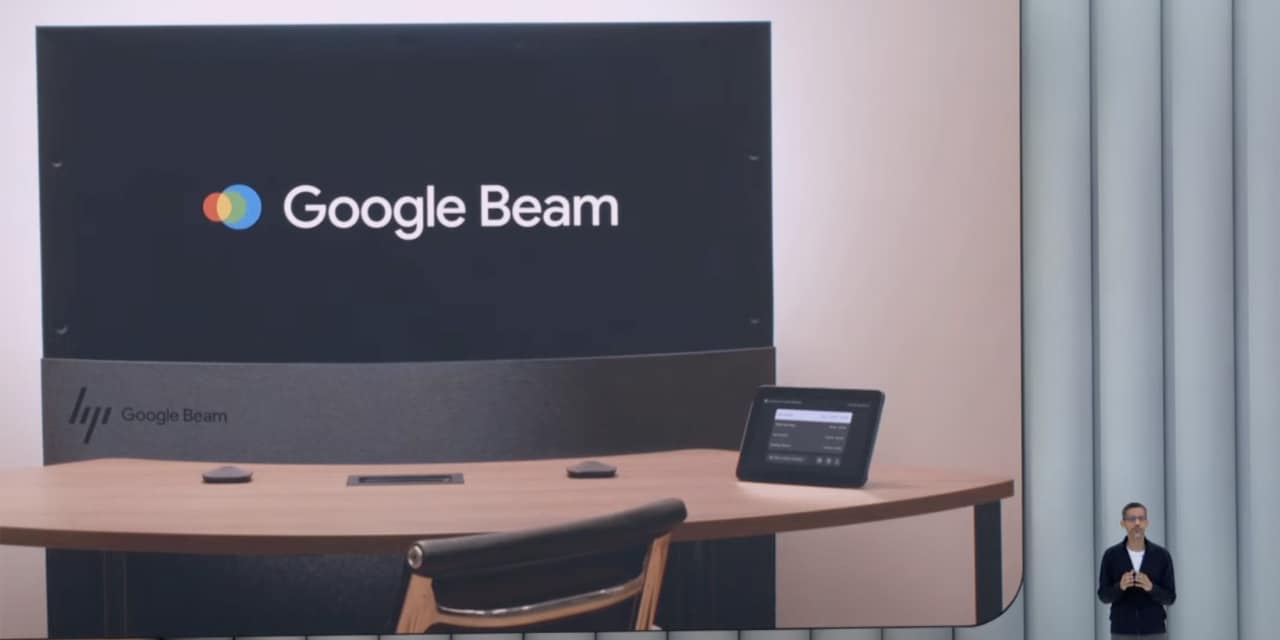
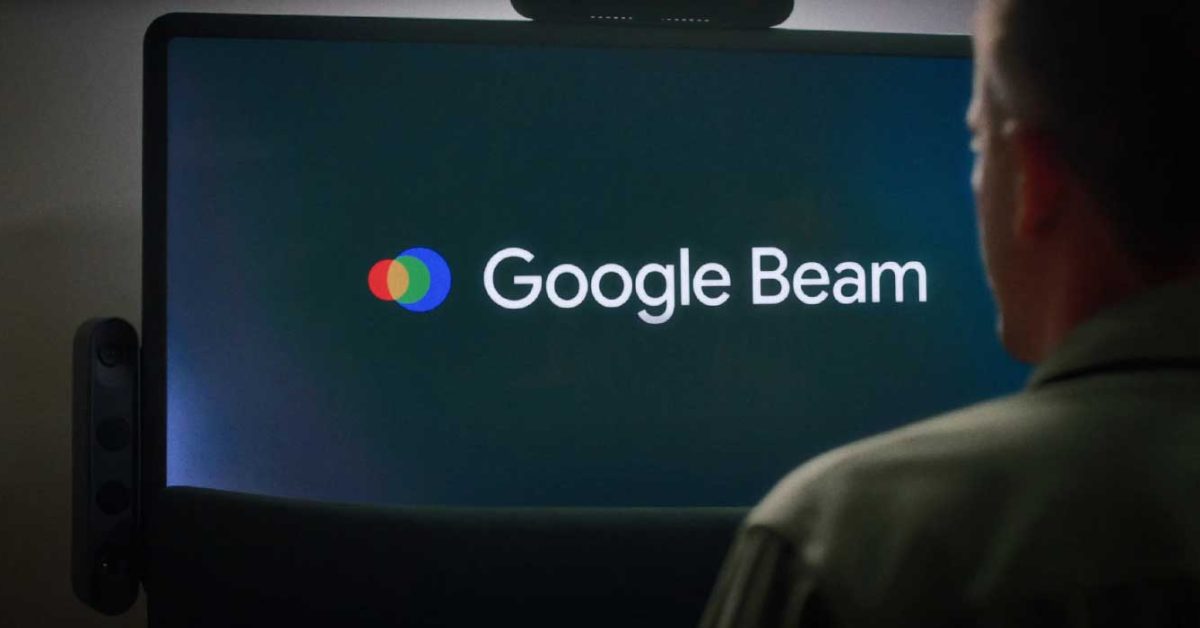
Project Starline takes a cosmic leap forward as Google Beam

Google's AI-first 3D video communication platform.

NOTE 📜 This post discusses Google products and topics related to my work. All views are my own and do not represent Google. Please review my Disclosures.

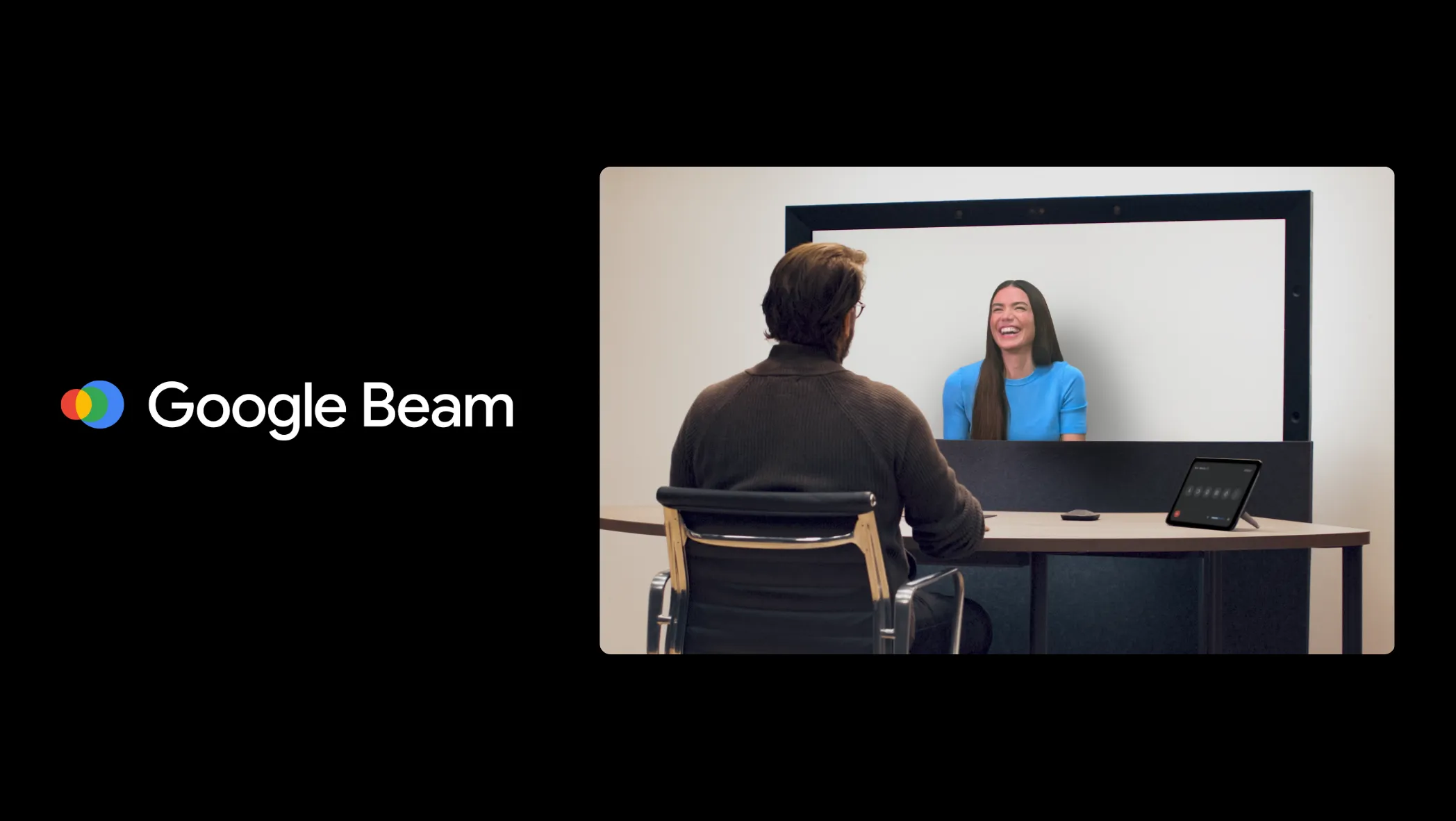
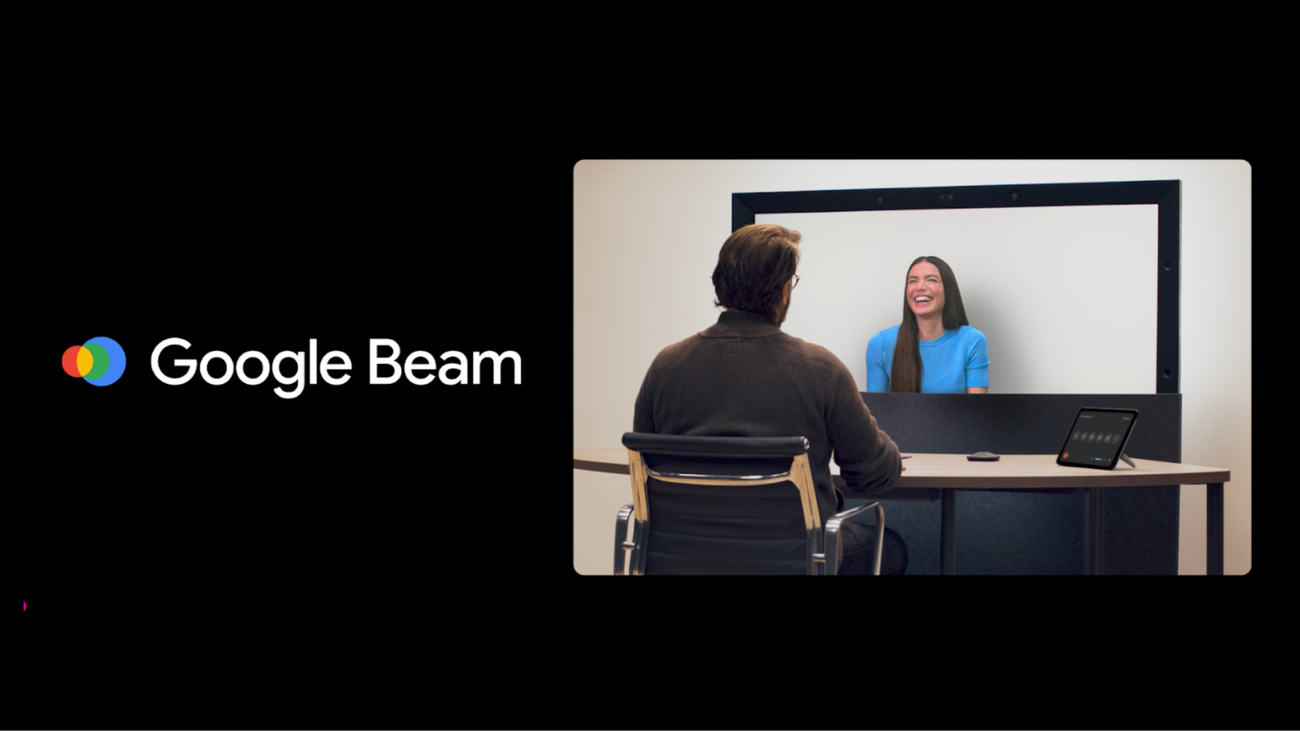
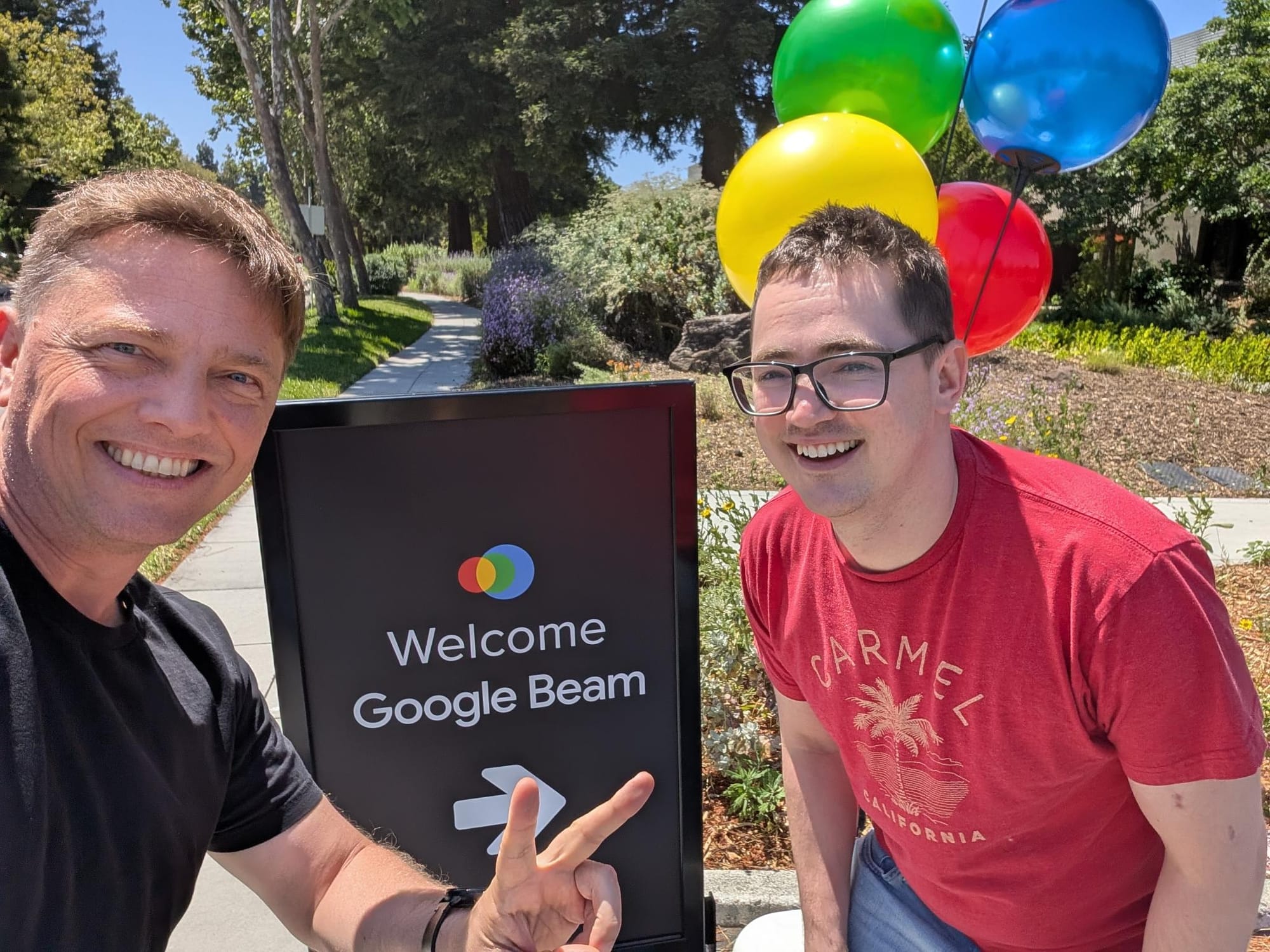
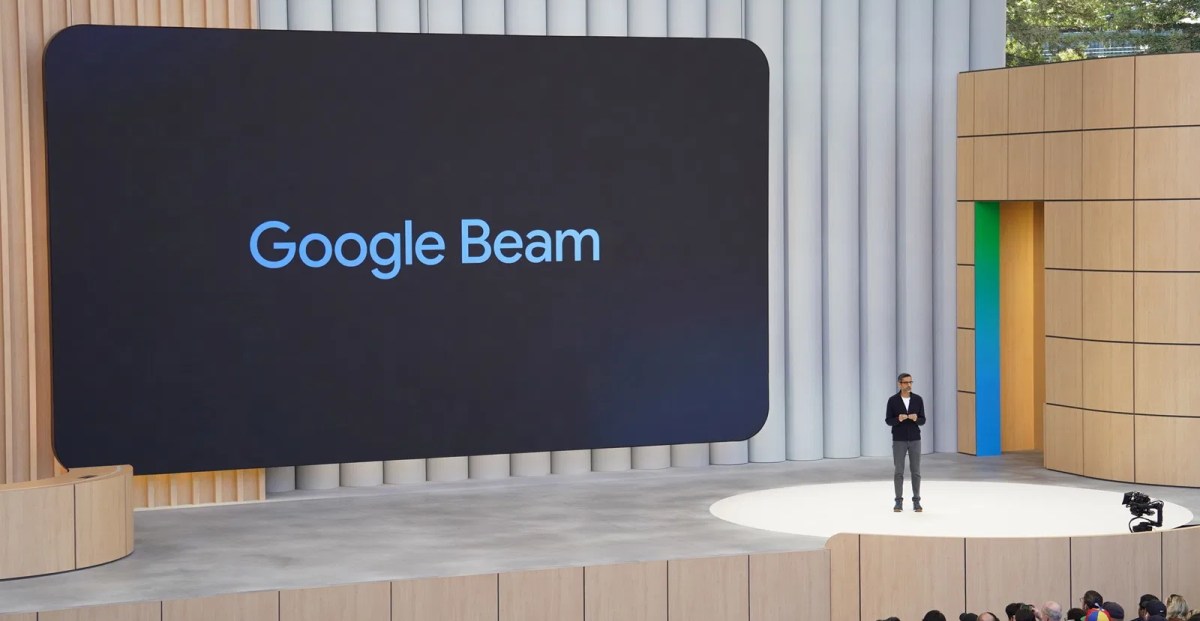
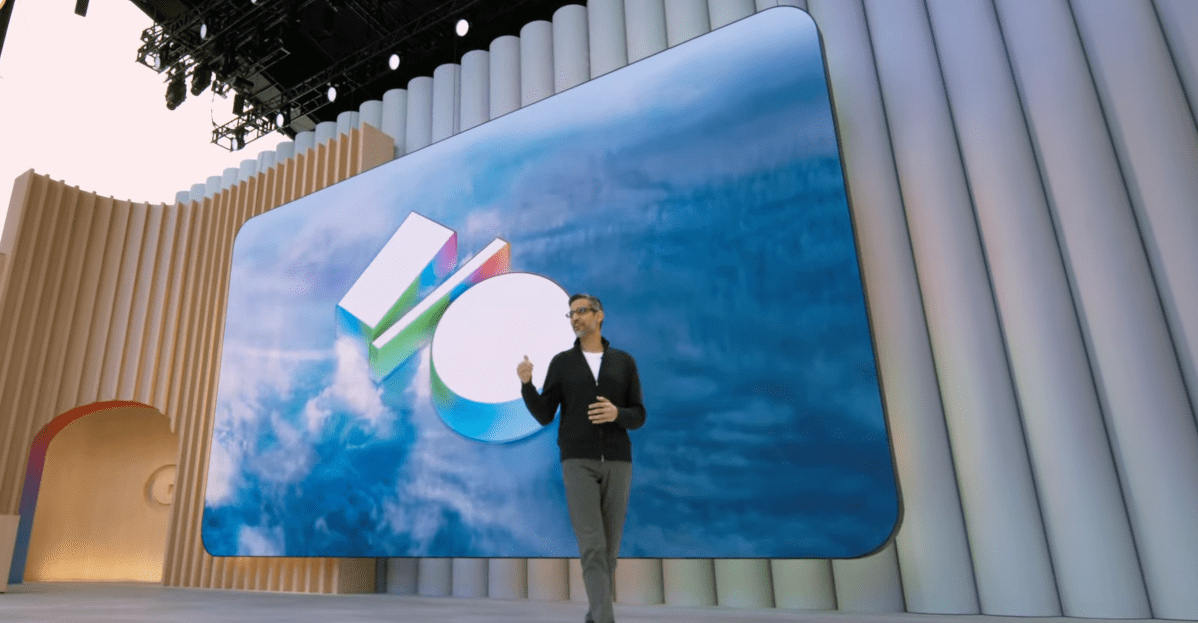
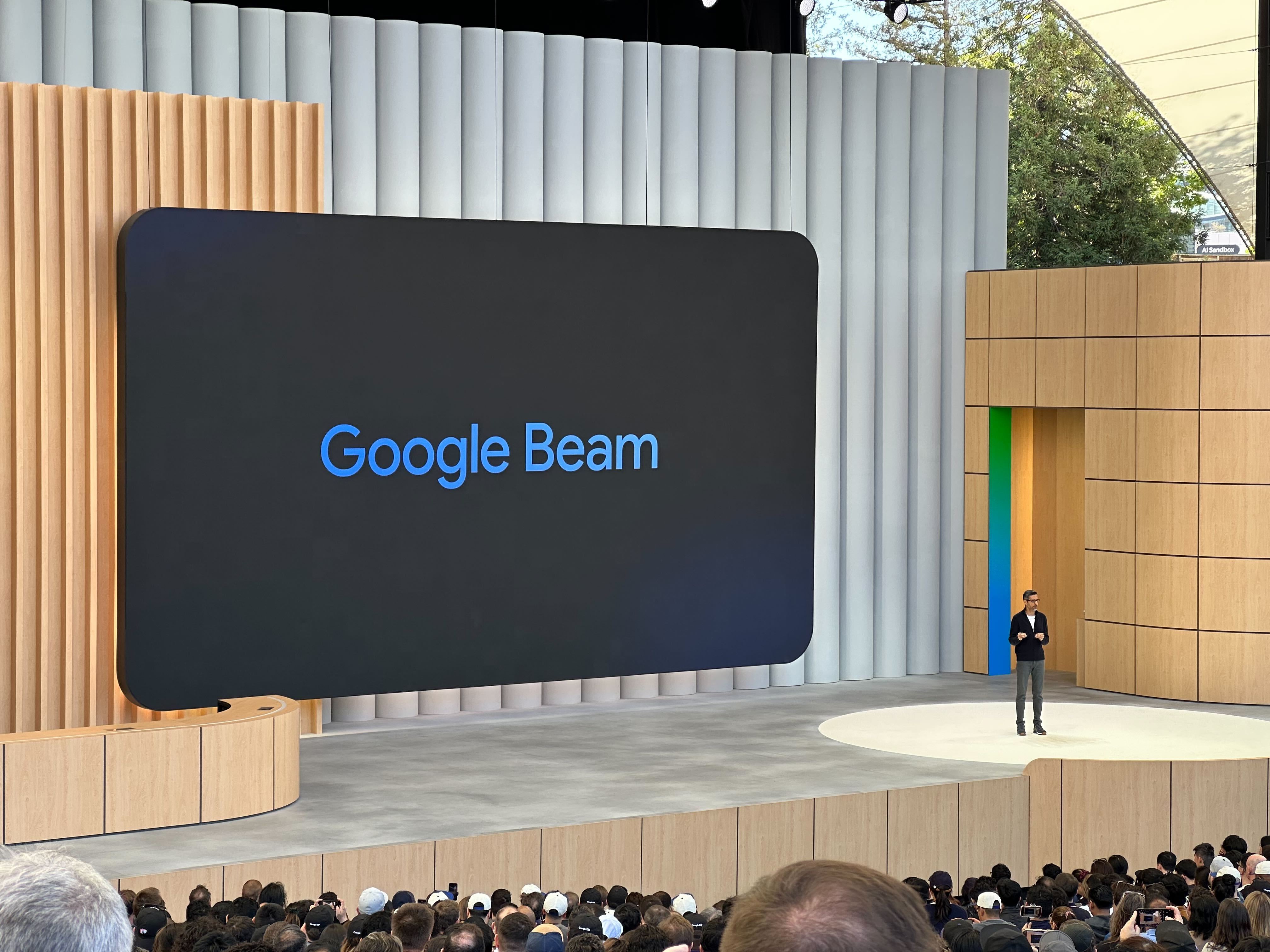
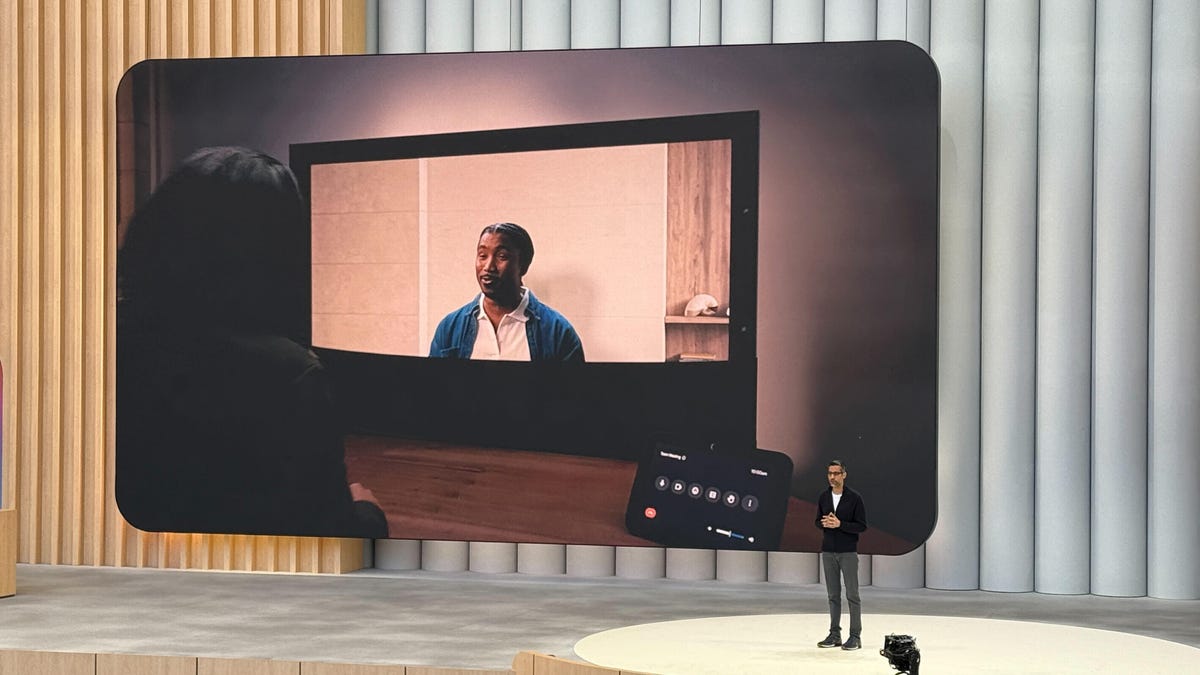
At Google I/O 2025, Project Starline was announced within the first ten minutes of the keynote — now reintroduced as Google Beam. ✨

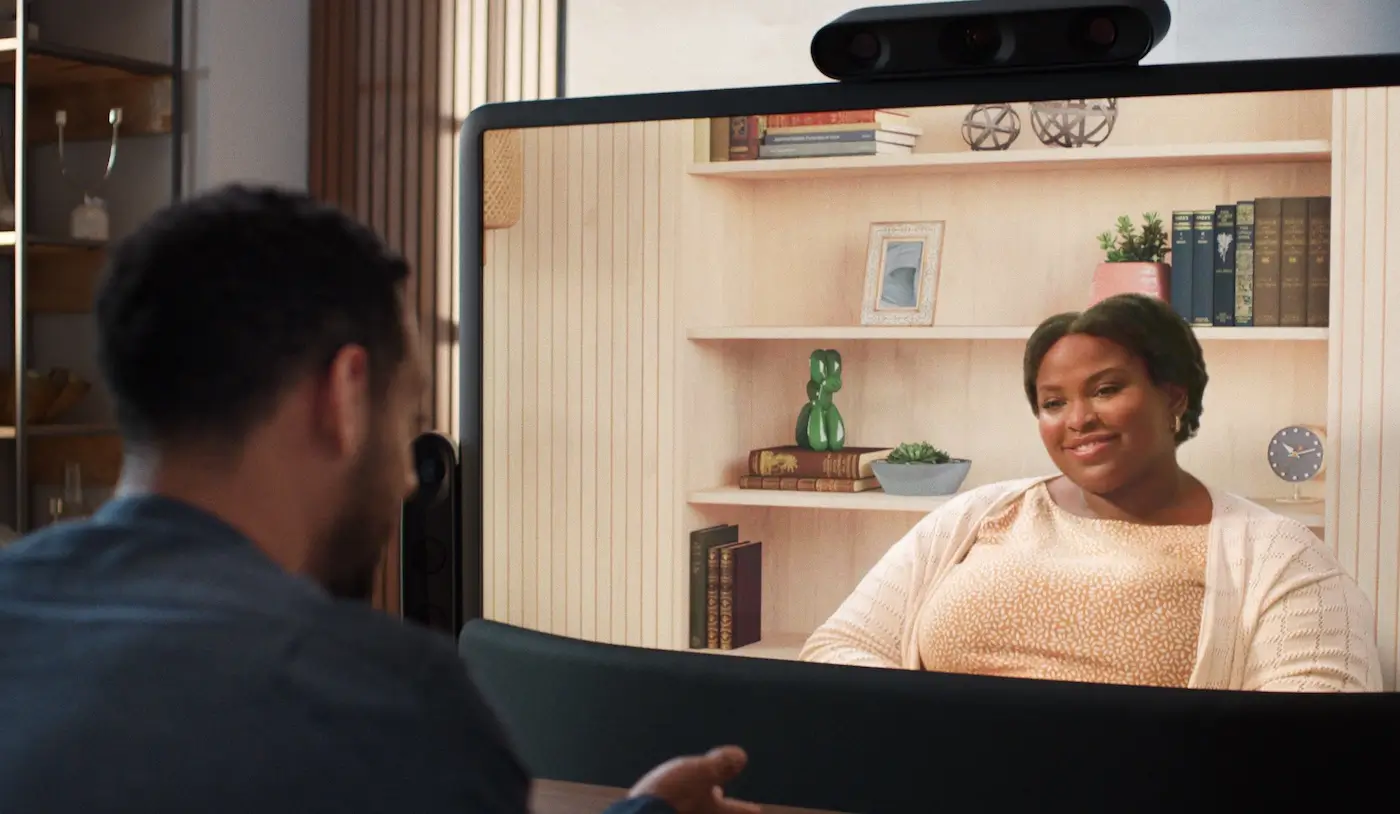
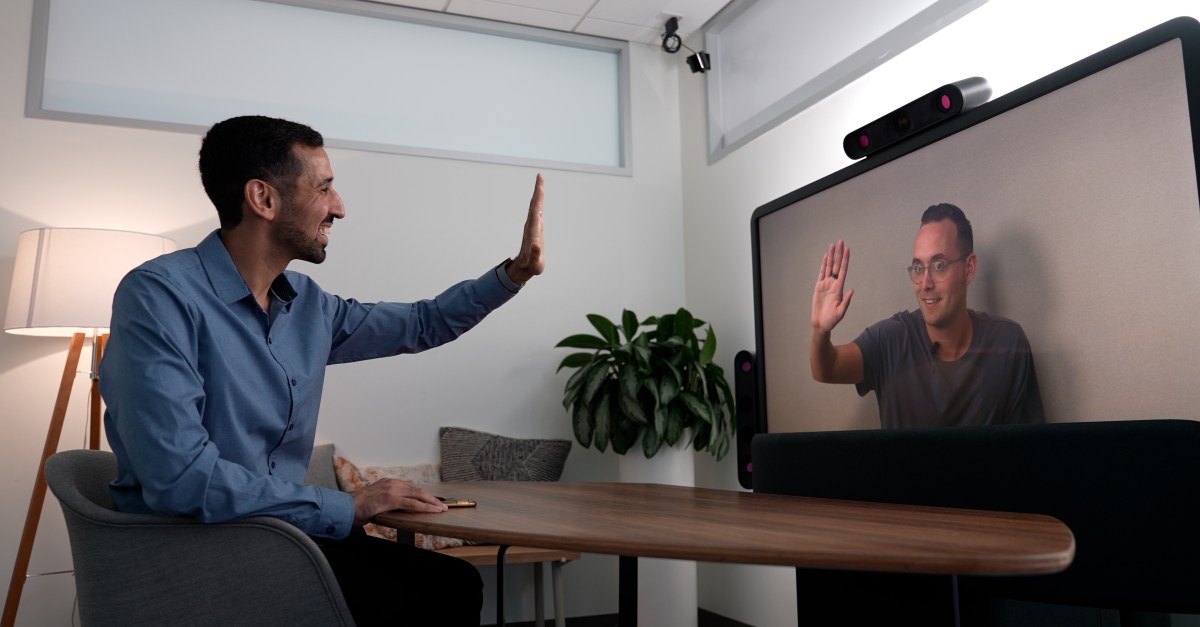
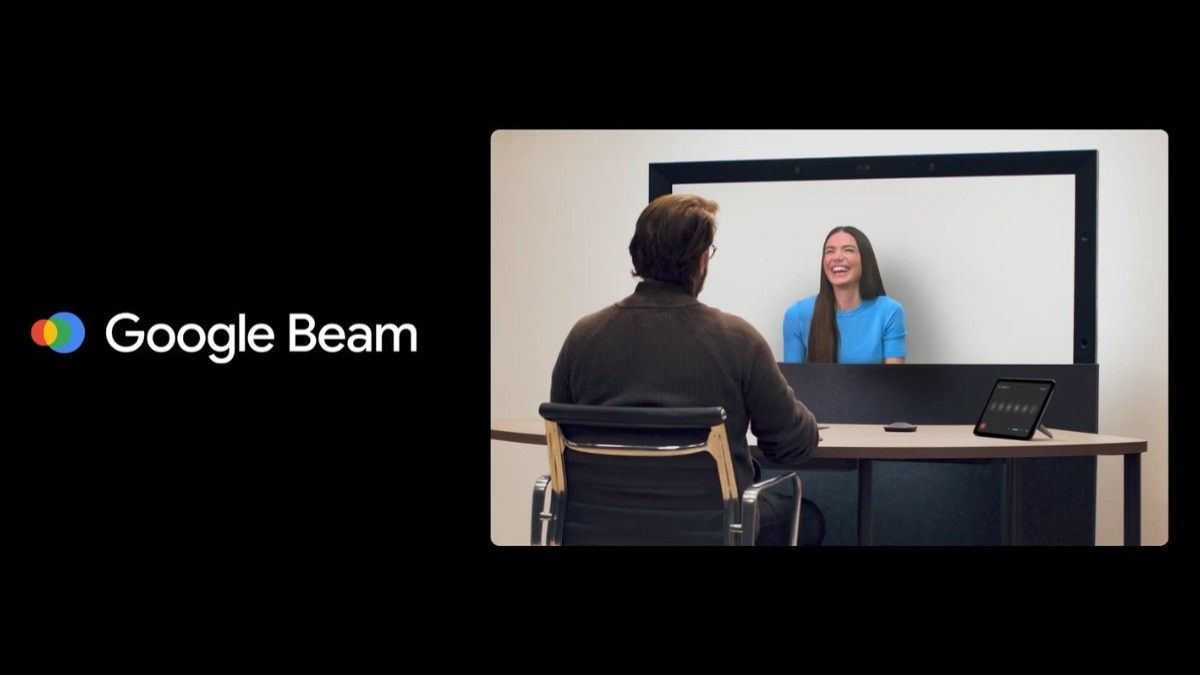
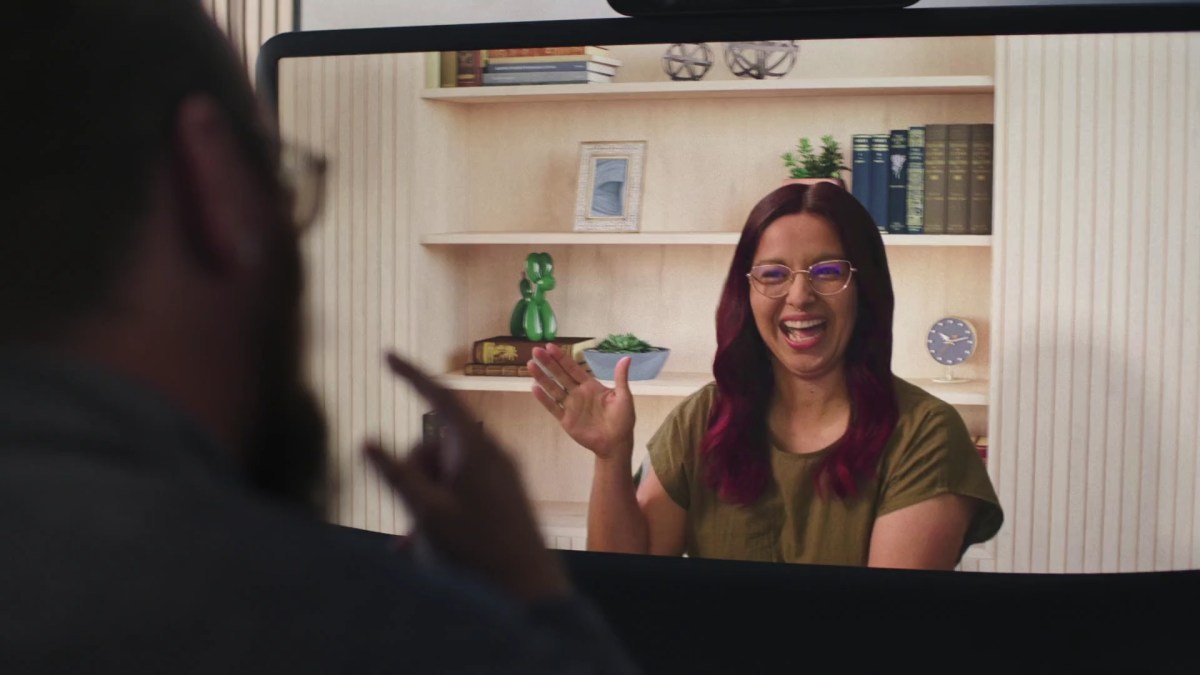
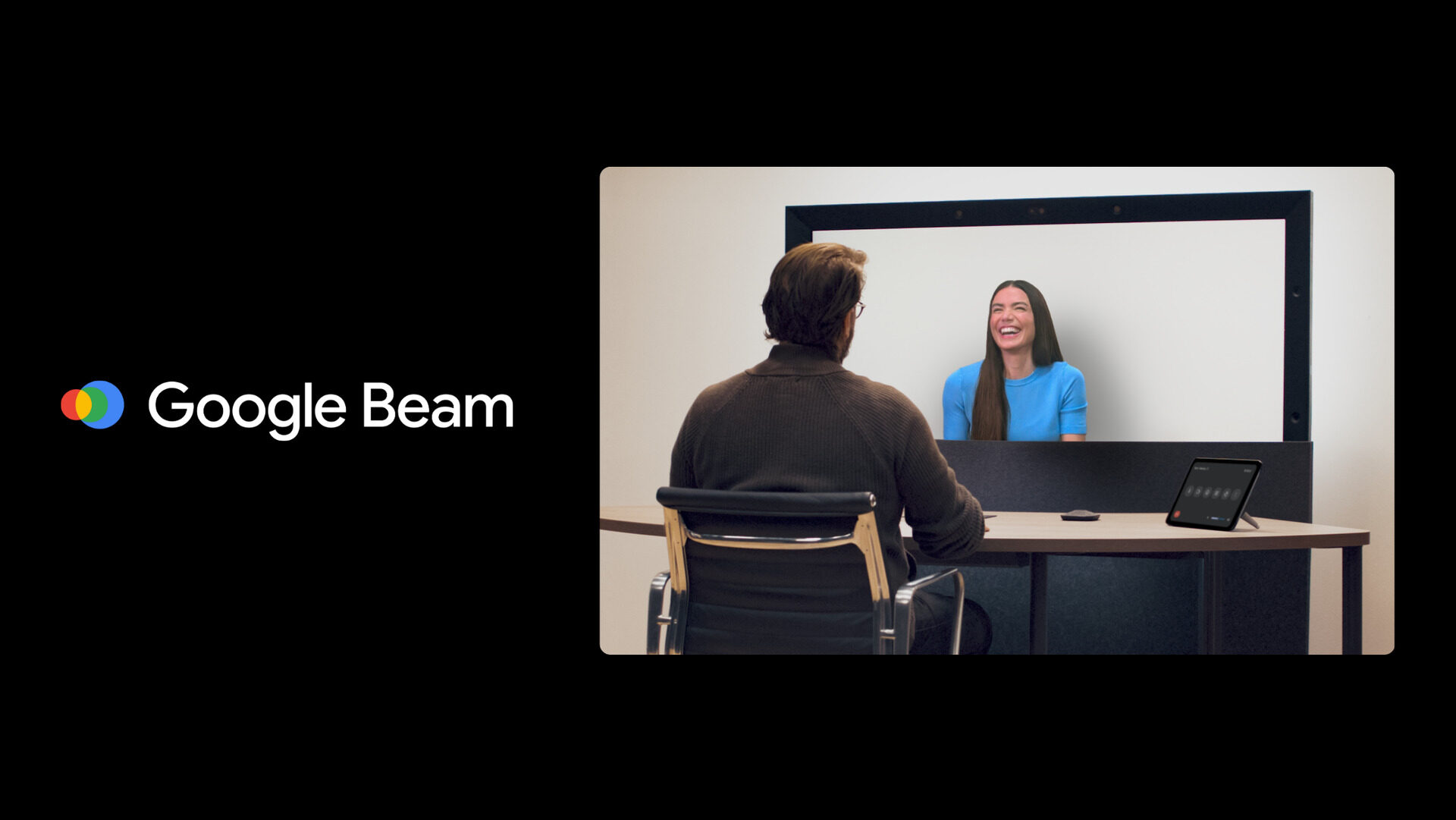
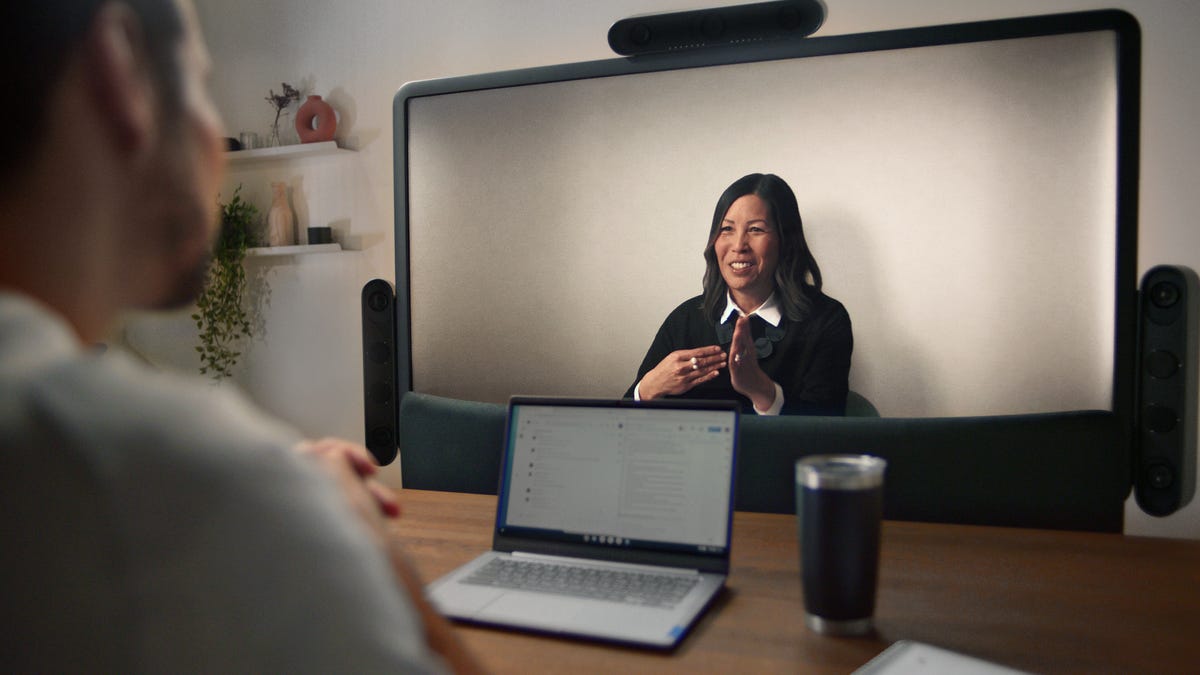
Instead of a flat webcam view, Beam uses AI with a special curved “light-field” screen and multiple cameras to recreate each person as a life-sized, 3D image. The effect is like talking through a clear window: your remote friend or colleague looks as if they’re really sitting right across from you, not just appearing flat on a screen.

Behind the scenes, an array of six cameras captures you from different angles. And with AI, we can merge these video streams together and render you on a 3D light field display with near-perfect headtracking down to the millimeter and at 60 frames per second, all in real time.

If you would like to know more, here’s the official Blog posts from today’s announcements.

Google Beam: Be there from anywhere with our breakthrough communication technology.
Discover Google Beam and experience the future of communication. Our breakthrough technology is proven to boost memory recall, improve visual attentiveness, and enhance body language. Feel like you’re there, together.
Google Beam: Our AI-first 3D video communication platform
Project Starline is becoming Google Beam, a platform that uses AI to turn 2D video streams into realistic, immersive video calls.
Google I/O 2025: From research to reality
At our annual developer conference, we announced how we’re making AI even more helpful with Gemini.

Roundup

when you're using Beam the best part of it is that you don't have to wear anything it's not like AR glasses or VR headsets it's just a giant TV with a bunch of custom cameras and sensors that Google has developed and the end experience is that you're looking at a 3D hologram of someone. — The Verge
Google’s 3D video calling tech is finally going to ship this year
Google Beam makes it feel like someone is in the room with you.
Project Starline is now Google Beam.
Google’s futuristic conference-calling experiment has been threatening to become commercially available for a while, and Sundar Pichai just said it’s coming this year through devices from HP. And to be fair, “Google Beam” is a less fun but much more Google-y name than Starline. [Image: https://platform.theverge.com/wp-content/uploads/sites/2/2025/05/Image-1600x1063-1.webp?quality=90&strip=all]
The 15 biggest announcements at Google I/O 2025
Catch up on what you missed.
Google CEO Announces Google Beam 3-D Video Conferencing
Google Beam is a “new AI-first video communications platform,” Google CEO Sundar Pichai announced at the Google I/O developers conference Tuesday. Pichai said the product transforms 2-D video into realistic 3-D renderings. Google Beam has six cameras that captures users from different angles. Using
Google I/O 2025: Beam announced, aims to make 3D video conferencing a reality
At Google I/O 2025, the company officially announced Beam, a new 3D video conferencing system that aims to make virtual conversations feel much more like real-life meetings.
Google’s 3D teleconferencing platform, now called Beam, will ship later in 2025 | TechCrunch
Google is rebranding Project Starline, its corporate-focused teleconferencing platform that uses 3D imaging, and recommitting to shipping it this year.
Project Starline becomes Google Beam, debuts real-time translation
Google’s barrier-breaking Project Starline is stepping aside to make way for Google’s next phase – Google Beam. The new 3D…
Google Beam aims to make video calls less boring and more natural
Giving users the sense that they’re together in person.
Beam me up: Google’s Project Starline gets a new name and launch window
Google has announced that its changing the name of Project Starline to Google Beam. The project also now has a launch window.
Goodbye Project Starline, hello Google Beam 3D video conferencing
The experimental Project Starline has gone from goals to (corporate) reality.
Google Beam Promises Futuristic AI-Powered 3D Video Chats
Google Beam uses an AI model that turns video calls into a lifelike 3D experience. It could be the next best thing to being there.
Goodbye Project Starline, hello Google Beam 3D video conferencing
The experimental Project Starline has gone from goals to (corporate) reality.
Google Meet is now able to translate video calls — what you need to know
Video calls with those who don’t speak the other language are about to get a lot easier
Google Beam is poised to bring 3D video conferencing mainstream
Google rebrands Project Starline, adds more AI smarts, and plans to deliver the next-gen collaboration platform to select customers later this year.
The Zero-Width Space-Place

Nothing to​​ see here.

Zero‑Width Space

Click the translucent pill (blue dot marks it) or the big Copy button.

What’s Zero-Width Space?

The zero‑width space (U+200B) is a Unicode glyph that renders nothing and occupies zero width. In the right hands, this “invisible ink” changes how software treats text.

Example

Below are seven tricks I actually use, each with a quick demo.

  1. Anchor an Alphabetical List
    Prefix one or more ZWS characters to push an item ahead of "A".
​Newsletter  ← with ZWS
Apple
Zucchini
  1. Break Auto‑Linking
    Drop a ZWS into a URL or email to foil scrapers while leaving it human‑readable.
hello​@starikov.co
https://starikov​.co
  1. Duplicate C++ Identifiers
    ZWS is a valid identifier char in many compilers.
int total = 1;     // normal
int tota​l = 2;     // looks the same, compiles fine
std::cout << total + tota​l; // prints 3
  1. Python Indentation Gremlins
    Slip a ZWS into leading spaces; code looks aligned but crashes.
def hello():
    print("ok")   # four spaces
​    print("boom") # four + ZWS → IndentationError
  1. Hide Easter‑Egg Text
    Insert a binary watermark every 100 chars; humans never see it, diff tools do.

  2. Zero‑Length Social Forms
    Some platforms allow a username, bios, and other forms that is literally just ZWS. Pure minimalism.

  3. Control word‑wrapping
    Add ZWS inside a super‑long URL to let browsers break the line without inserting a visible hyphen.

<span style="word-break:break-all">
    https://example.com/superlong​paththatneverends
</span>