Resume
All the reasons you should (or shouldn't) hire me.
Two documents below. The Resume is one page: the highlights, the version that goes to recruiters. The CV is everything, every job, award, and class. Both are typeset in LaTeX and open source on GitHub, so feel free to use the template.
Central Test Engineering
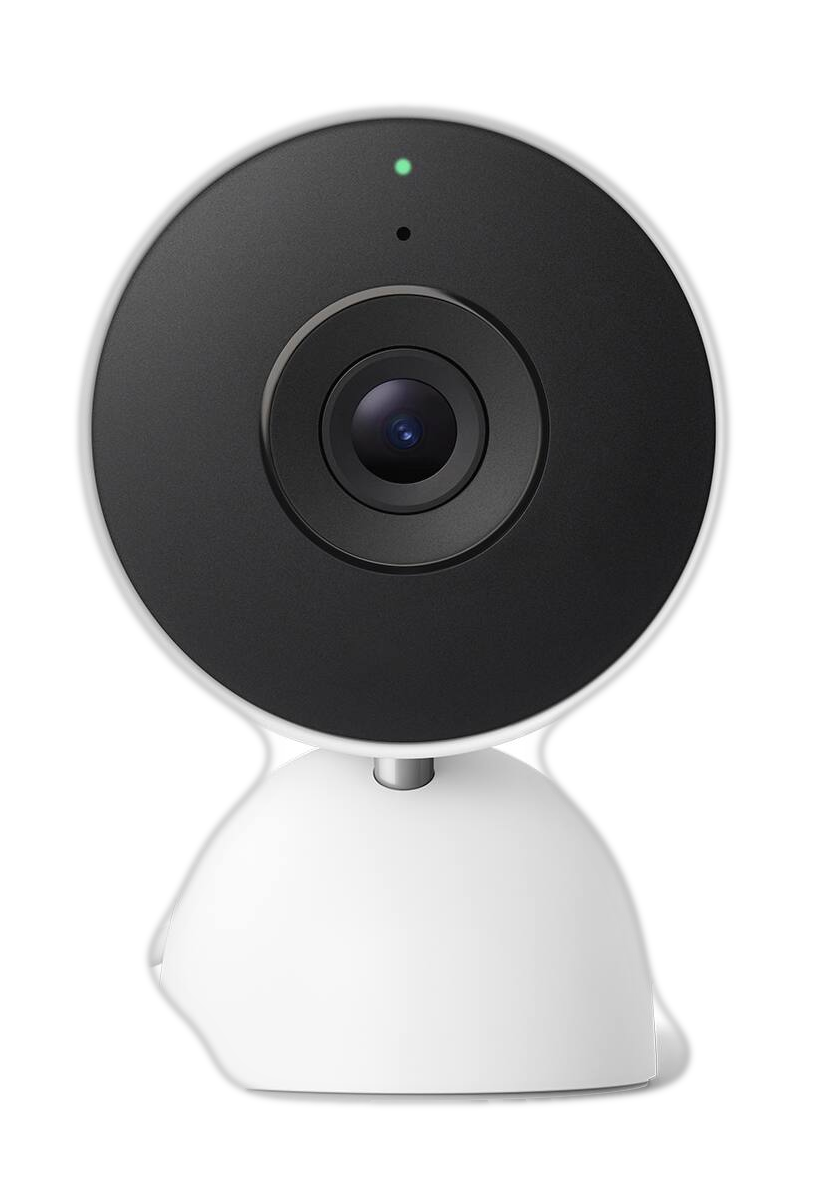
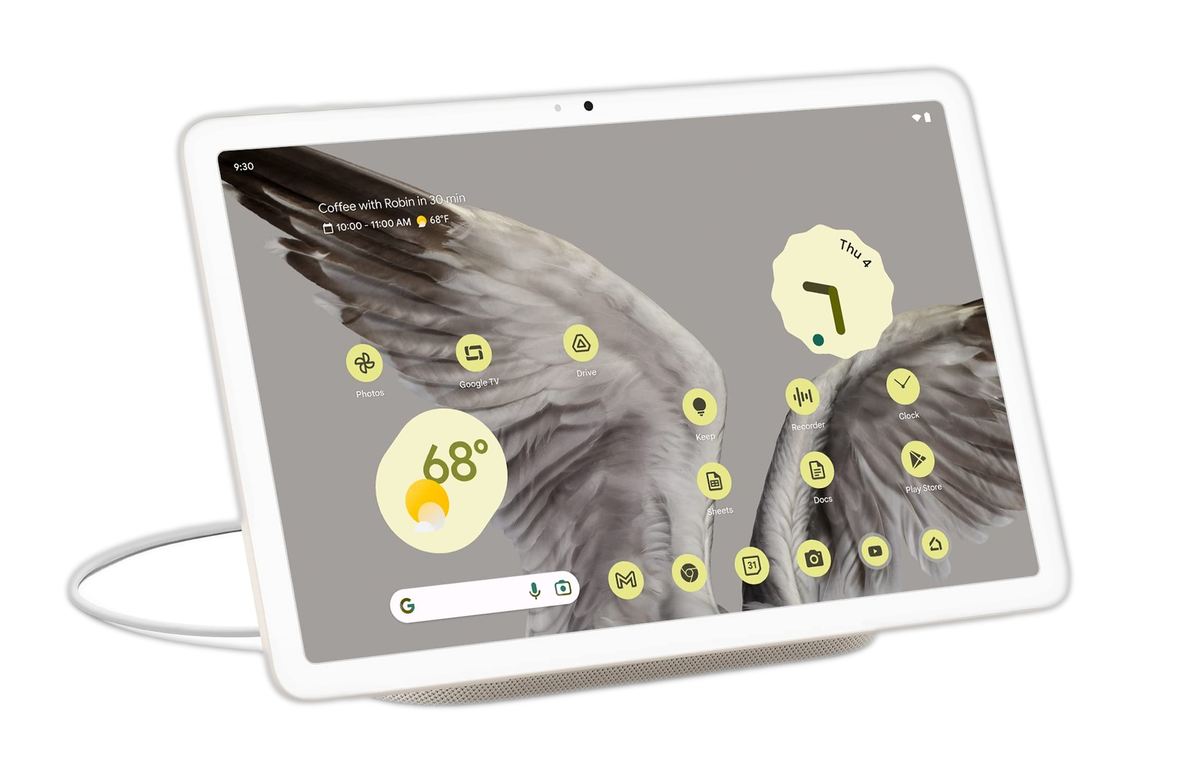
I started at Google in December 2019, supporting manufacturing test for the audio team. The early work was formalizing and speeding up our test suite, so the software kept pace as production volumes grew. As I got more comfortable with the manufacturing side, I started carrying what I'd learned to other teams and helping them tighten their own setups. I worked on an ML-powered data analytics system that surfaced failure patterns we'd never had names for. Along the way I got to work on Nest and Pixel products: the Nest Camera, Pixel Tablet, and Pixel Buds Pro.
 Illya Starikov
 Illya Starikov
 Illya Starikov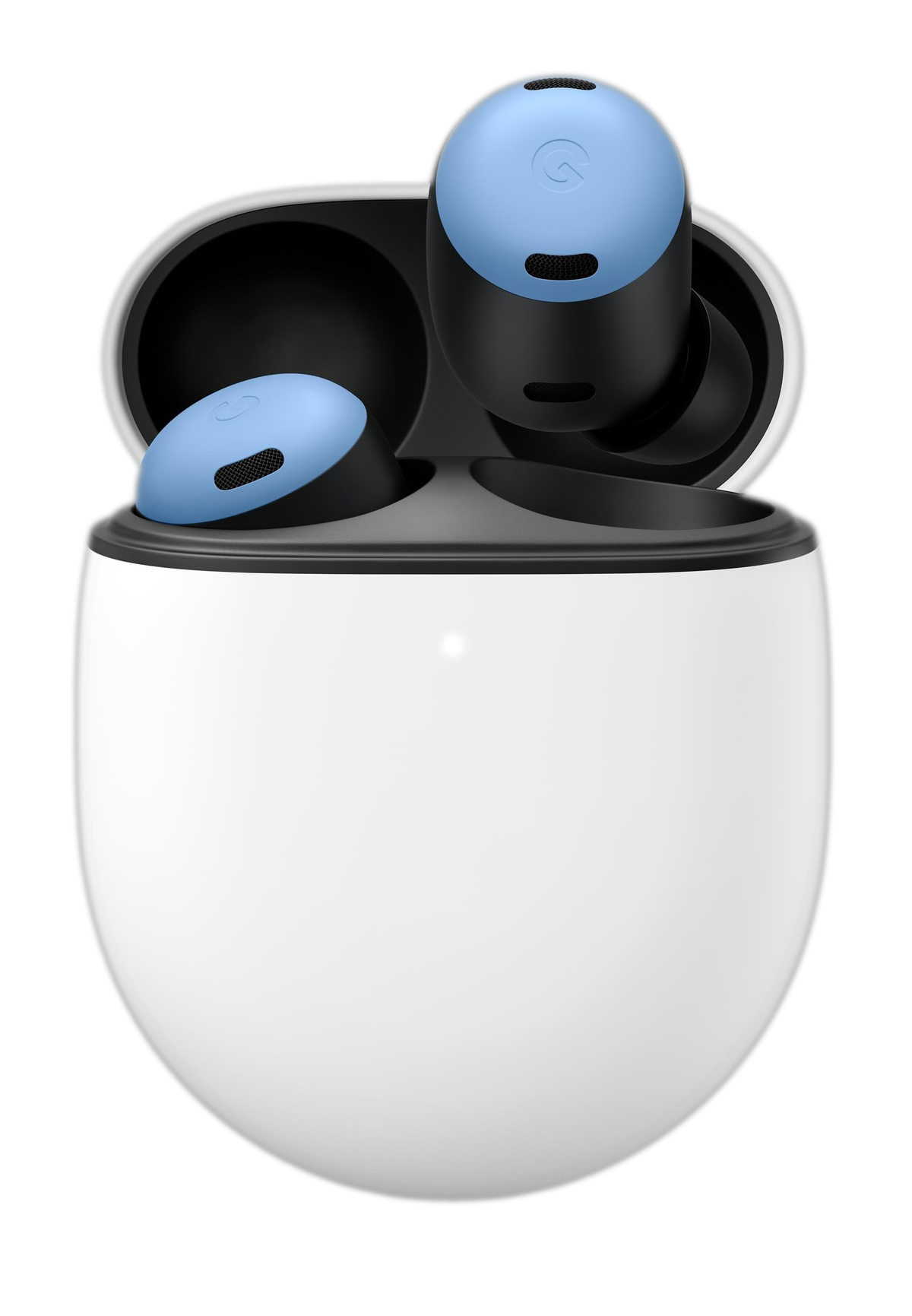
After Pixel Buds, I felt like I reached the summit, and I was ready for the next big challenge. One of my colleagues from the team referred me to the most interesting project I had seen at Google: Beam.
Beam
It was still called Project Starline when I joined in 2023; it's Google Beam now.
I began on Beam working on designing our manufacturing software pipeline: how do we test our units? Where does the data go? What system image do we use? These were all open questions I had to answer; not just for Google but also for our partner HP, which builds and sells the hardware.
I worked on the team to ensure the factory had access to the necessary APIs from all six subsystems. I set up the data pipe from our factories back to Google. I also automated our preflight tests before we shipped to the factory.
Illya Starikov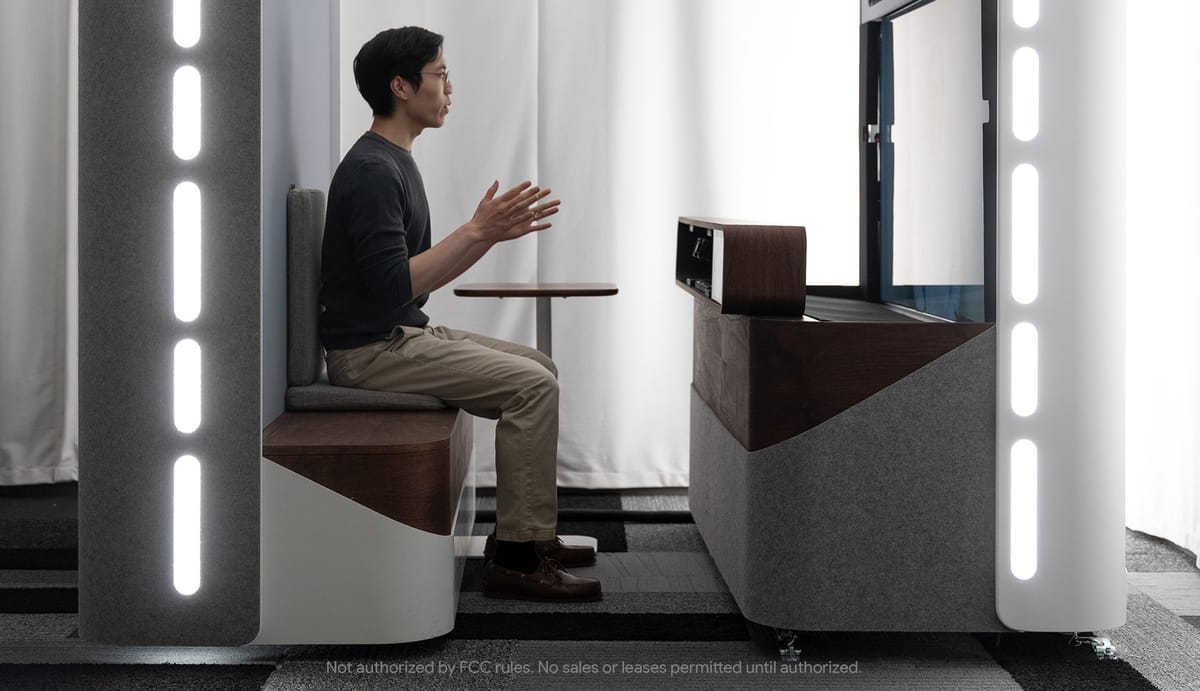
After a couple of builds, I felt comfortable that the factory stack was on a good trajectory. So I decided it was time to proceed with my main objective at Beam: learn as much as I could about the product, end-to-end.
I joined the camera team about a year after my factory stint. I was interested in sinking my teeth into a new, cool, and challenging area; optics check all three. This is where I work today.
Garmin
I started my career interning at Garmin in Automotive OEM, on a flavor of the Mercedes-Benz infotainment system. (Garmin has supplied in-dash navigation to Mercedes-Benz since 2013.) It was my first real embedded work, mostly on the navigation and maps side. I began by bringing up the automated test suite for routing, then kept pulling threads: over that summer I optimized both the tests and the production code they exercised, taking the suite from 80% to 100% reliable and about 5x faster.
Illya Starikov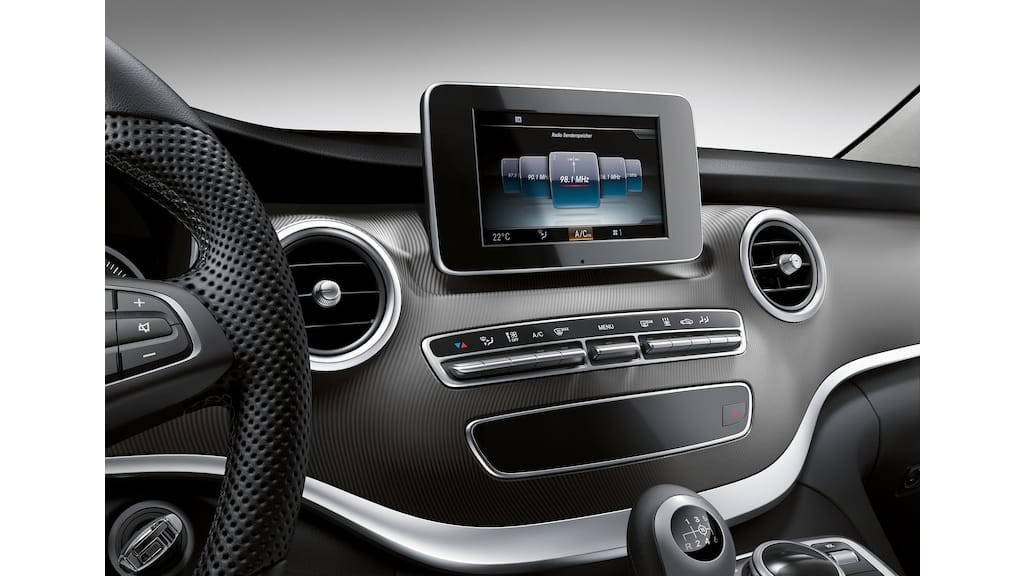
I kept working at Garmin through my senior year, this time on internal aviation tooling out of the Rolla office. Balancing 18 credit hours and a part-time internship was challenging, but rewarding.
After graduation, I started full time on an aviation line-replaceable unit (LRU): the GDL-60, a datalink that keeps an aircraft's databases and flight logs in sync from the ground. It was my first taste of safety-critical avionics, DO-178B and all, where "it works on my machine" is not a defense. Most of the real-world knowledge I have of OSes I attribute to this project.
Illya Starikov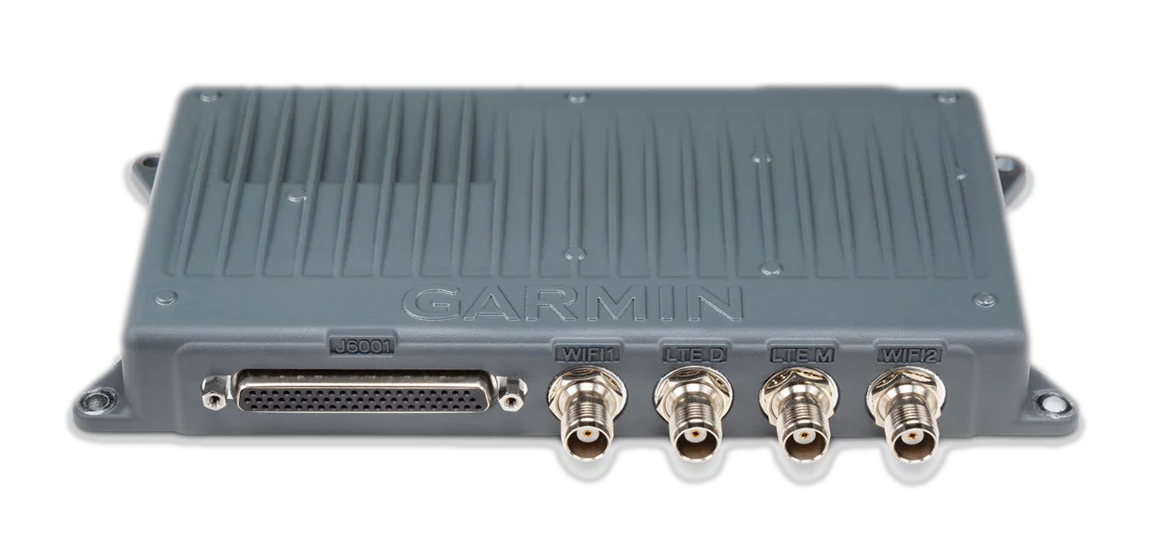
I also got to do STEM outreach there: facility tours, Bring Your Child To Work Day, ACM lectures, and a high school build-your-own hovercraft project.
Missouri S&T
I transferred to Missouri S&T in the spring of my sophomore year, and it's where I'd eventually graduate. I filled a lot of roles while I was there: computer lab admin, teaching assistant, undergraduate researcher, and team lead on the Satellite Team.
The lab admin role was what you'd expect: monitor lab usage, help students, and count attendance. Counting attendance meant tallying how many students showed up every hour, by the hour. I went looking for an app that would let me tally quickly, found nothing, and built an iOS app that did just that.
I had the honor of being a teaching assistant for the introductory programming classes and their labs. I wore all the hats: writing assignments, grading tests, and lecturing. Some semesters I took on multiple instances of the same class, often grading against 60 students. So I wrote a grading suite that flagged style-guide violations, checked program inputs and outputs for correctness, and, with a little help from Stanford's MOSS, caught plagiarism.
As a research assistant, I worked on automated bug localization. The idea: instrument a C++ program so it records which code blocks actually run, then line up traces from passing runs against failing ones. Where they diverge is a good guess at where the bug lives. I built the tracer that turned source code into control-flow graphs and captured those traces at runtime; the code is here. It's the closest I got to research-research in undergrad, and it's why I still think in terms of what a program actually did, not what I assumed it would do.
I was a key player in the Nanosat-8 satellite development, on Stereoscopic Imaging. The premise: launch two satellites, have one fly formation with the other and treat it as a resident space object, and build a 3D reconstruction of it. I started on the code that synchronized the camera modules, the payload at the heart of the system. I got involved enough that I was promoted to team lead, running a group of six undergraduate and graduate students. The satellites cleared their critical design review and are waiting on a ride to the ISS, which means some code I wrote as an undergrad is, improbably, going to space.
Illya Starikov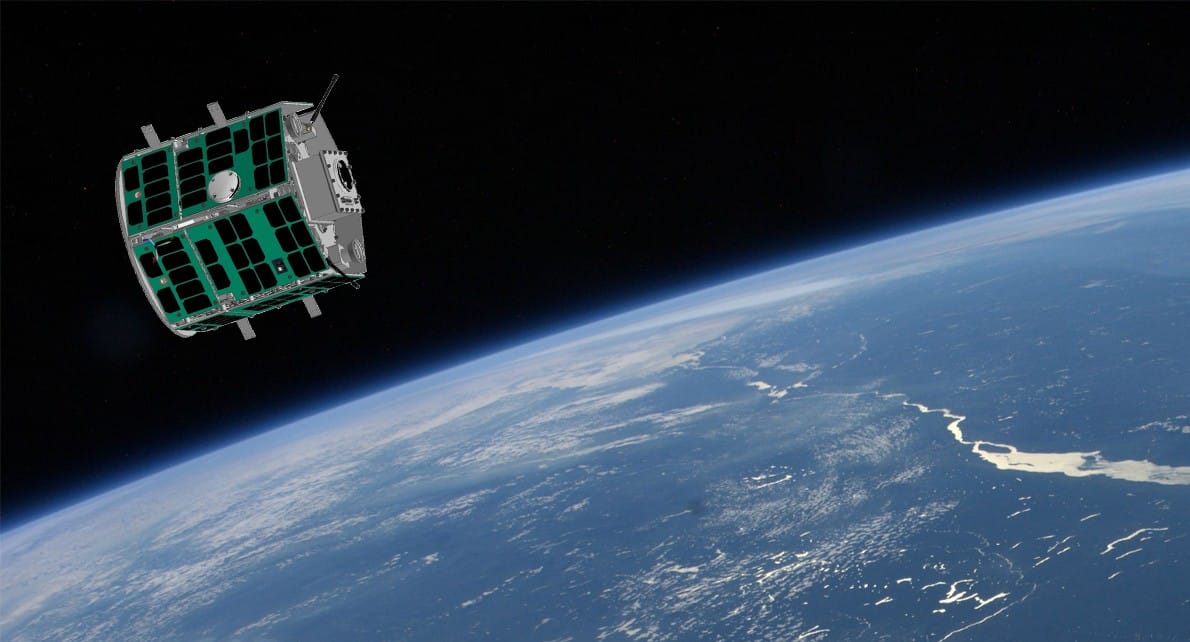
I graduated in December 2018 with a BS in computer science, summa cum laude.
B.C. (Before Coding)
Everything above sits on top of less glamorous work. Before Google and Garmin I harvested grapes and hauled dishes at a winery, staffed a college computer lab, built WordPress sites for anyone who'd pay a teenager to, and kept the student-employment database running at Jefferson College.
None of that made the one-page resume. It's all in the CV.