Google Beam
Feel like you're there, together.
NOTE 📜 This post discusses Google products. All views are my own and do not represent Google. Please review my Disclosures.
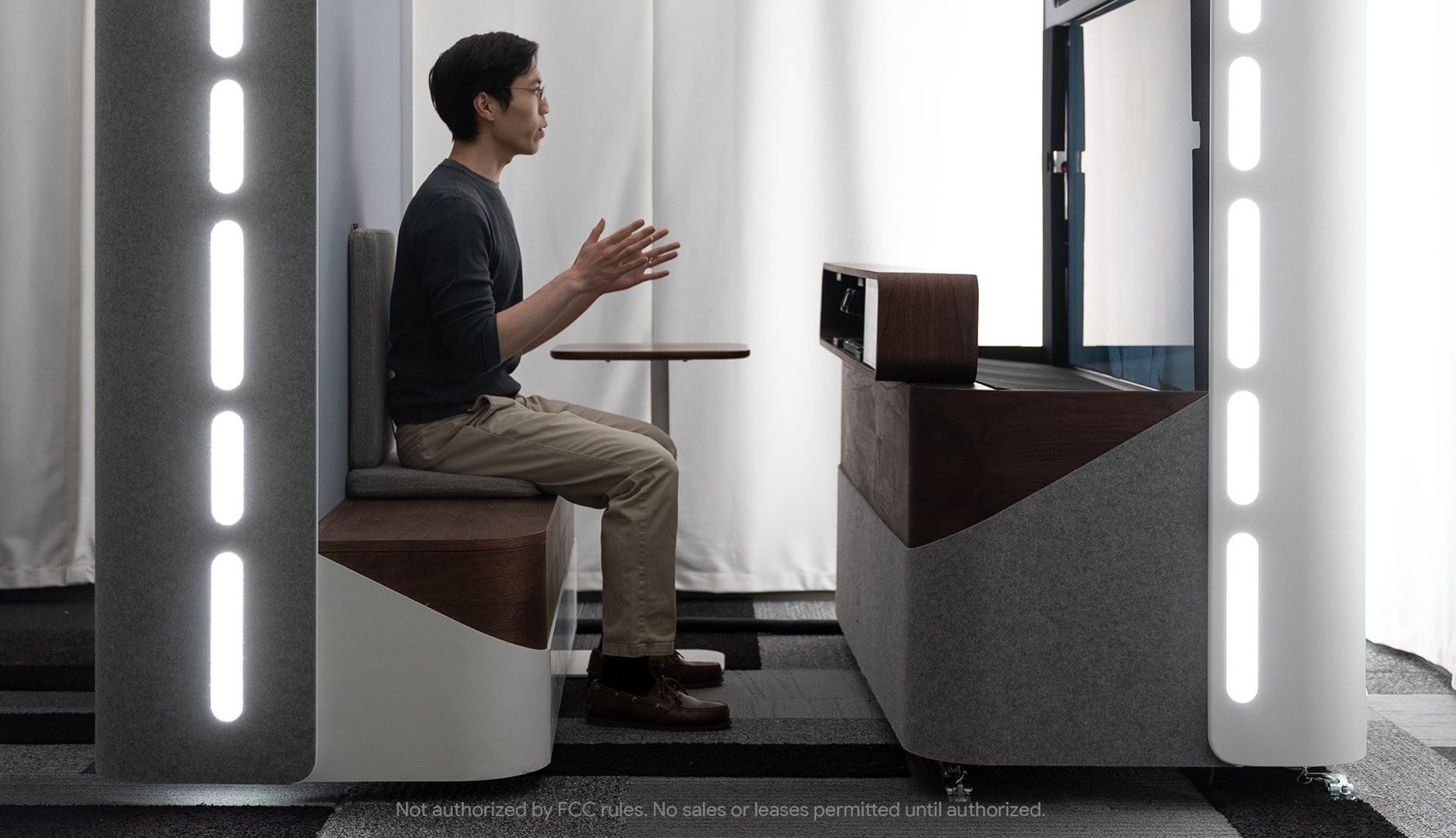
When MKBHD reviewed Project Starline in 2023, he set the bar high right out of the gate: "this might be the most impressive tech demo I've ever seen." His video was how a lot of people, me included, first saw the technology. Little did I know that within six months of watching it, I would get my own demo. And I would learn firsthand Marques was correct: it's the most impressive tech demo I've ever seen.
Something is truly special when you remember your first encounter. Your first toy, first phone, first computer. Almost three years after my first Beam call, I still remember where it was and who it was with. I remember my first words: "Holy shit".
Beam is Google's 3D video-calling platform, the product that grew out of Project Starline, the research demo Google first showed in 2021. The pitch: a call where the person on the other end looks like they're in the room with you, life-sized and in three dimensions, no headset or glasses required. The trick is six cameras and an AI volumetric video model that turn ordinary 2D video into a 3D image, rendered on a light field display. Google renamed Starline to Beam at I/O 2025; the first device, HP's Dimension, runs $24,999 and is built for enterprises.
Google Beam doesn't feel like a better screen, it feels like no screen. Every other video call keeps reminding you it's a video call: the flat image, the missing eye contact, the half-second lag. Beam takes those reminders away. Name another product where "holy shit" is the most common first review.
Read what Beam's been up to:
- 4 highlights from Google Beam in 2025
- Google Beam is working with the USO to support military families
- Google Beam: Our AI-first 3D video communication platform
- Google I/O 2025: From research to reality
A few years in, it still gets me, and so does watching it get everyone else. The eyebrows go up, the sentence stops halfway, and somewhere in there is a word they didn't plan to say.