Directly from Ukraine
- ETNODIM
- Aviatsiya Halychyny
- Shkoura
- Sleeper (women only)
- O.TAJE (women only)
Support Ukraine directly
Directly from Ukraine
Support Ukraine directly
Non-Fiction
Fiction
Cookbooks
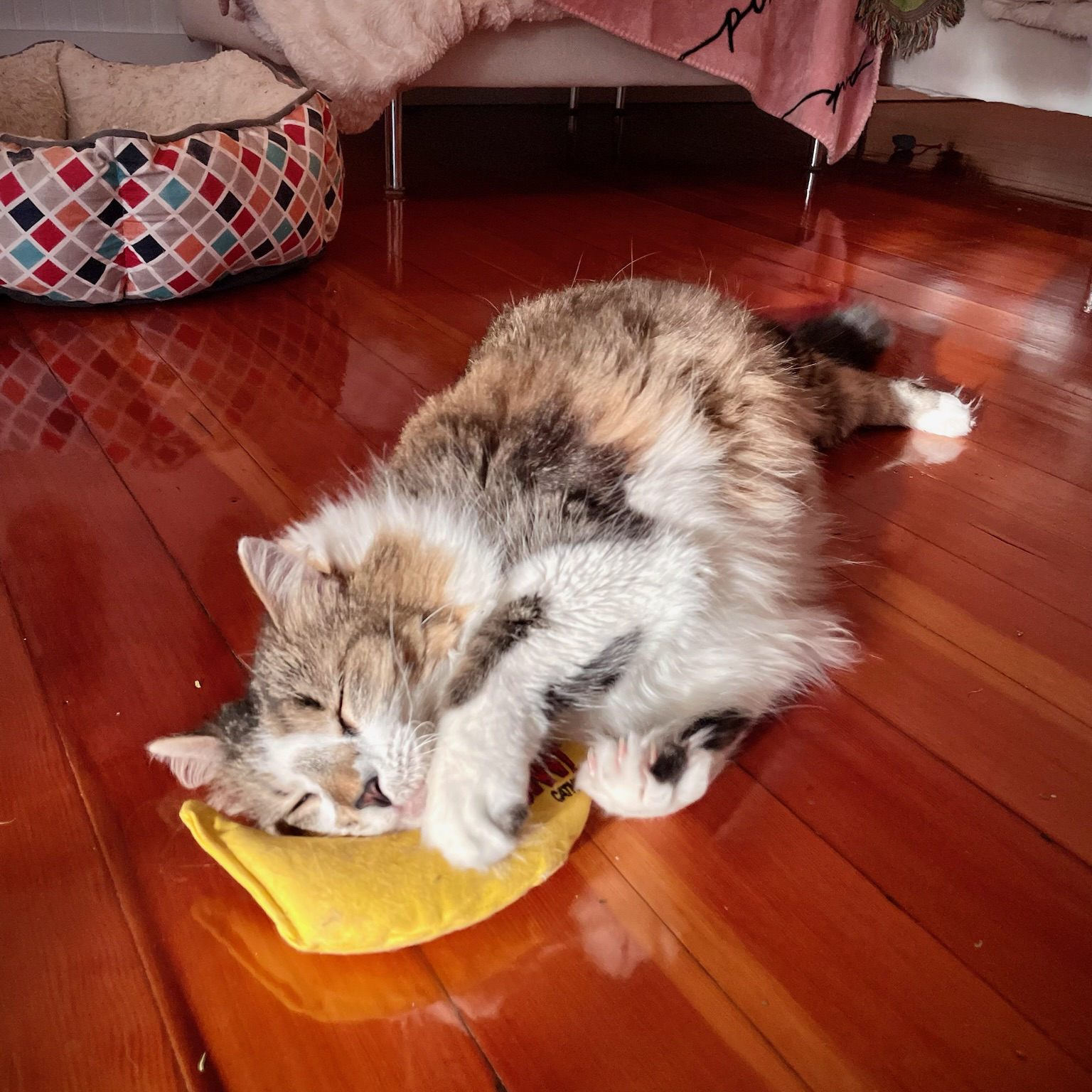
Birthday February 3rd, 2019
Nicknames велика свиня, Bubs, Mal, Chunky Monkey, Stench Under The Bench, Fatness BellyQueen
Likes
Dislikes
Favorite Spots
Birthday May 3rd, 2011
Nicknames Mr. Bodie, Bad Cat, Orange Cat
Bodie came into my life after my partner’s parents retired. They asked if we wanted him, and we said “Of course”.
At first, it was not an easy transition. He didn’t get along with Mallory. He gets upset in the middle of the night and cries. He gets upset in the middle of the day and cries.
But now he is an integral part of this family.

Likes
Dislikes
Favorite Spots

I hate this time of year.
There is a strange part of me deep down that knows it’s time. Time to mourn. Time to have anxiety. Time to feel not in control.
2022 was the worst year in many of our lives. Every year I do my best to pull myself together, bit my bit. And I largely succeed, until February.
Every February I start feeling in control, but come March I’m in a much worse place. It’s a force that drags me under and keeps me there.
Now that 2.24 has passed, I find myself picking up the pieces. Like last year. Like the year before.
Hello👋 I’m Illya Starikov. Welcome to my personal blog.
Over the years, I’ve made many iterations of blogs. Blogs about Apple, technology, programming, portfolios, entertainment. This one is just about me.
My interests, that I will likely write about, include:
Hope you enjoy!
There is no greater agony than bearing an untold story inside you. Maya Angelou
Feel like you're there, together.
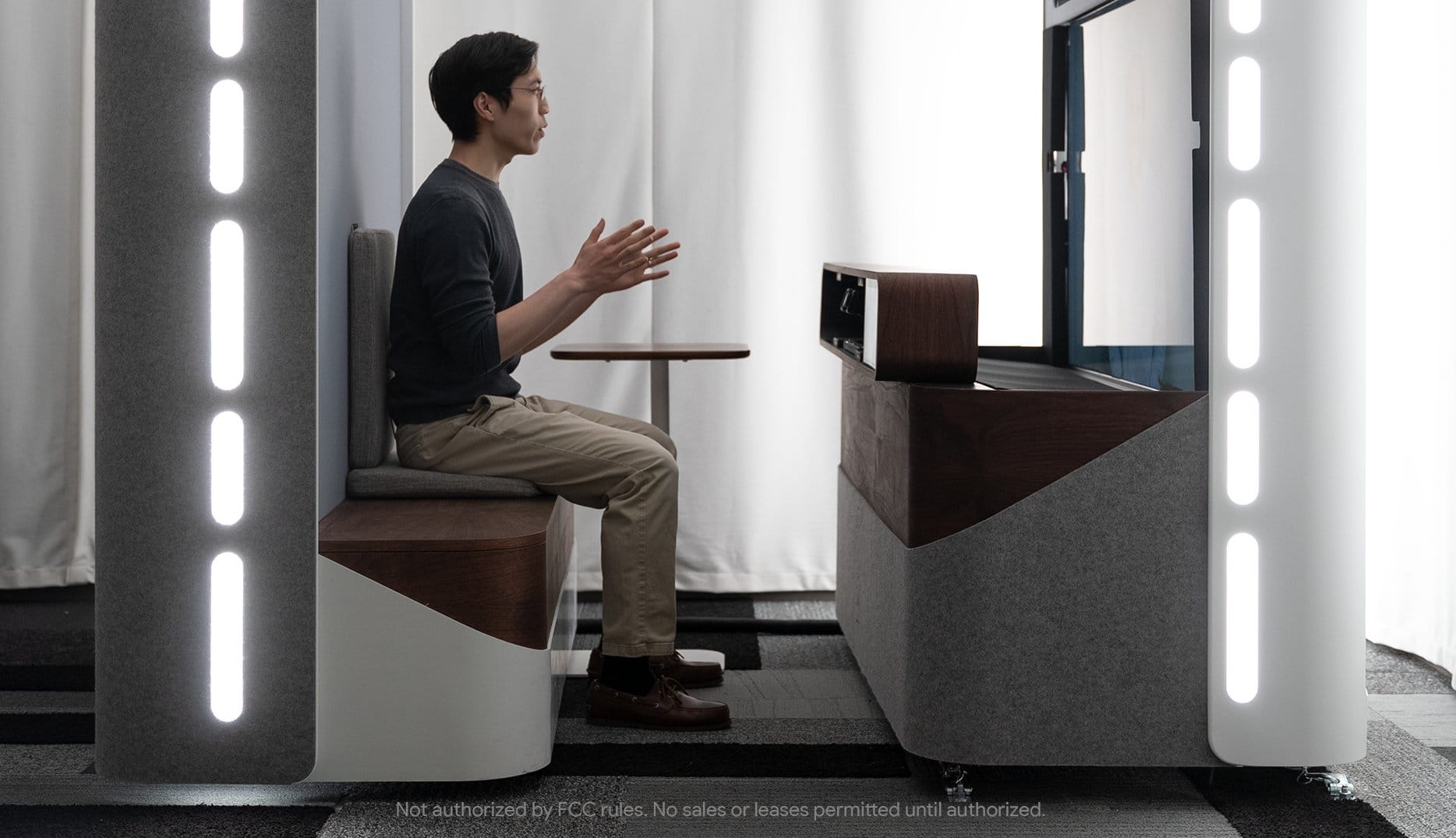
Google Project Starline is an experimental 3D telepresence system designed to make video calls feel as natural as face-to-face conversations. First unveiled in 2021, it combines advanced hardware and software to create a “magic window” effect – users on a Starline call see each other life-size and in three dimensions, as if they’re together in the same room. The goal is to bridge physical distance and help people (from coworkers to family members) feel truly present with each other, even when they are cities or countries apart.
Project Starline uses a mix of 3D imaging, AI, spatial audio, and a special light-field display to produce its lifelike communication experience. Multiple cameras and sensors capture a person’s shape and movements from different angles, and Google’s systems process this data in real-time. The other user sees a life-size, three-dimensional image of the person on a large light-field screen, which creates an illusion of depth without the need for any VR headsets or glasses. This setup lets participants talk, gesture, and make eye contact naturally through the display, with spatial speakers recreating sound as if it’s coming from the person’s direction. In practice, it feels like sitting across from someone at a table – the technology fades into the background, and the conversation feels remarkably immersive and natural.
Project Starline is still in the prototype stage, but it has made notable progress. Initially the system was confined to a few Google offices, relying on custom-built equipment and even a booth-like enclosure. Googlers spent thousands of hours testing it internally, and early demos with select partners showed promise – participants found that meetings in Starline felt much more like real in-person meetings than traditional video calls, with better attentiveness and engagement. In late 2022, Google expanded testing through an early access program, installing Starline prototypes at partner organizations like Salesforce, T-Mobile, WeWork, and a healthcare network, to gather feedback in real workplace scenarios. A major breakthrough came in 2023 when Google unveiled a new, streamlined Starline prototype. Thanks to AI techniques that reduce the need for specialized cameras and depth sensors, the system shrank from the size of a restaurant booth to something resembling a large flat-screen TV. This slimmer design can more easily fit into offices or conference rooms, bringing Starline closer to a practical product.
Google is now preparing to bring Project Starline out of the lab and into broader use. In 2024, the company announced a partnership with HP to commercialize Starline, with plans to make it available to enterprise customers starting in 2025. The goal is to integrate Starline’s 3D calling experience with everyday video conferencing tools like Google Meet and Zoom, so that companies can use it for realistic remote meetings via familiar platforms. Early interest has come from a range of industries – Google has demoed Starline to partners in fields like healthcare, media, and retail, hinting at potential uses from telemedicine consultations to virtual retail experiences. Over time, as the technology becomes more affordable and accessible, it could also be used for personal communication (for example, helping families connect across long distances) and educational or training settings. Project Starline offers a glimpse into the future of remote communication, one where distance is less of a barrier and people can “be there” for important moments without having to travel.
 Contributors to Wikimedia projects
 Clay Bavor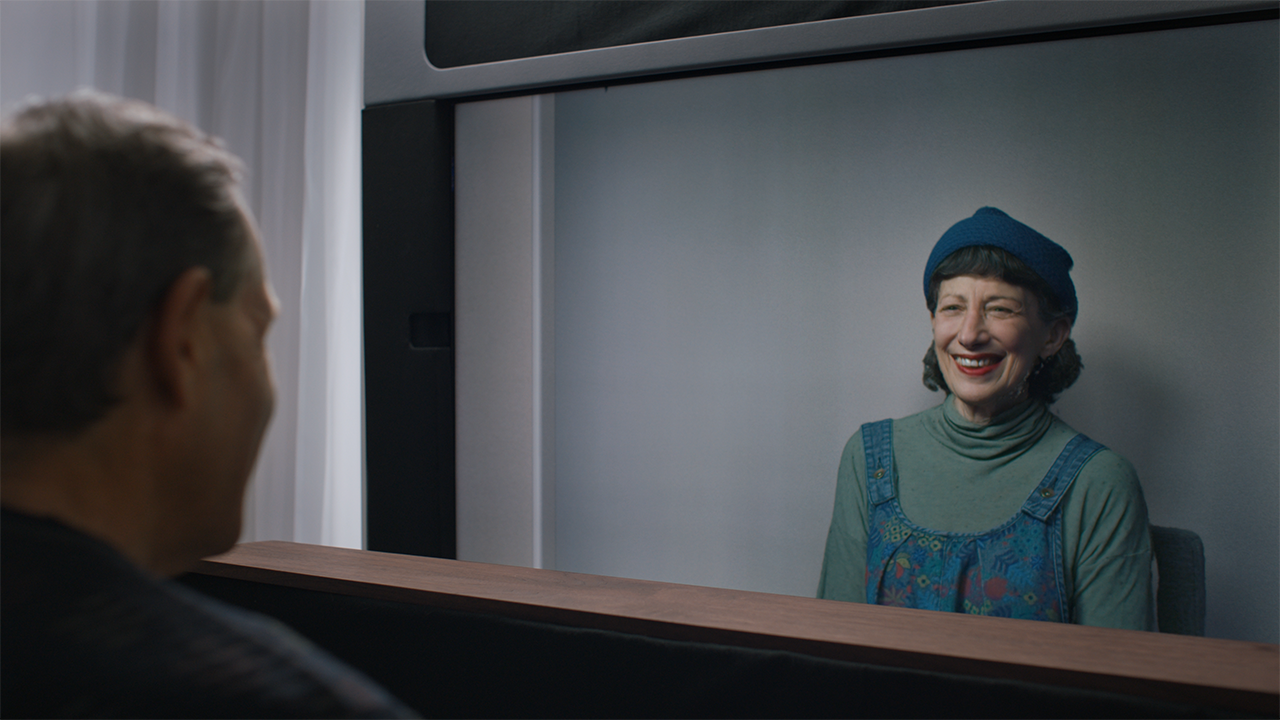
 Andrew Nartker
 Andrew Nartker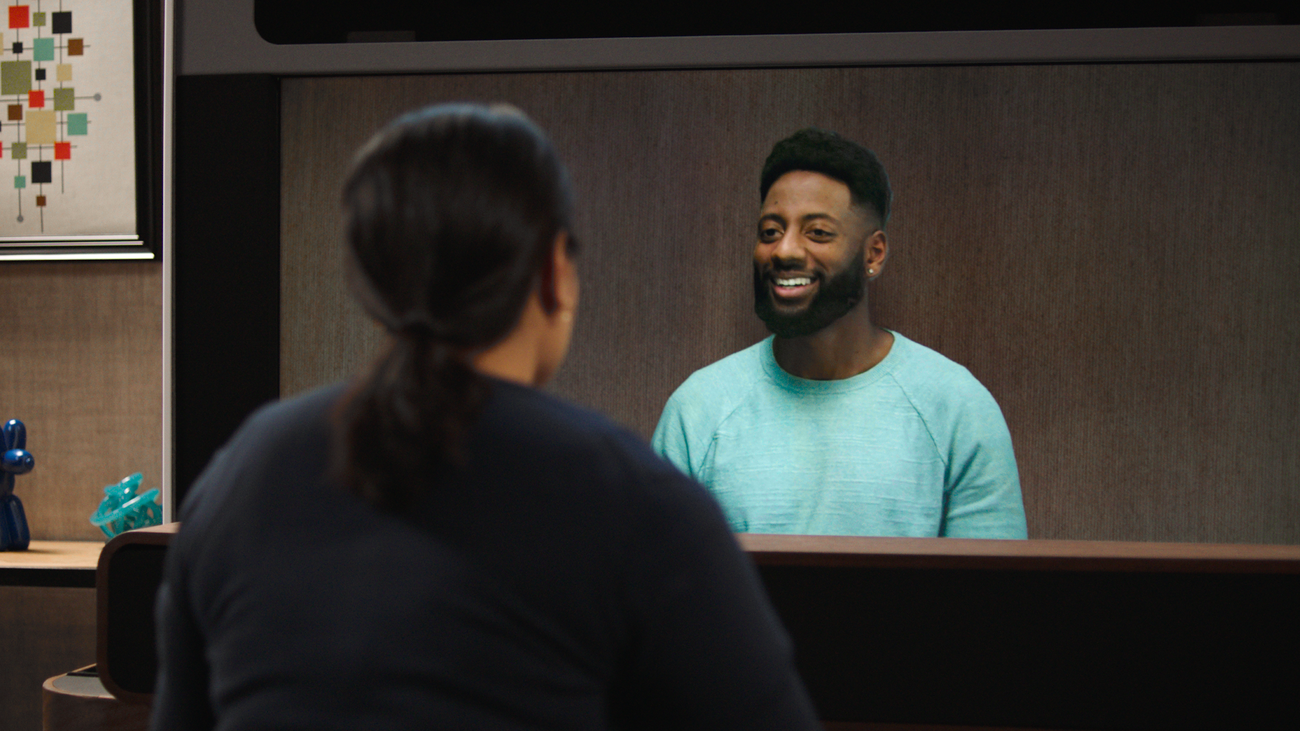
 Andrew Nartker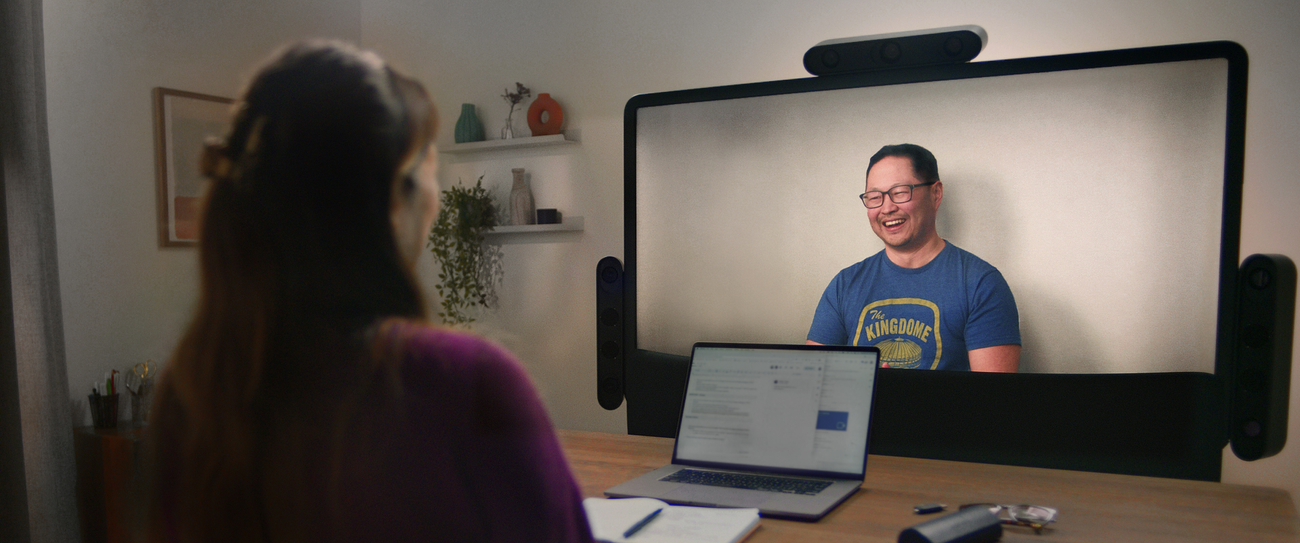
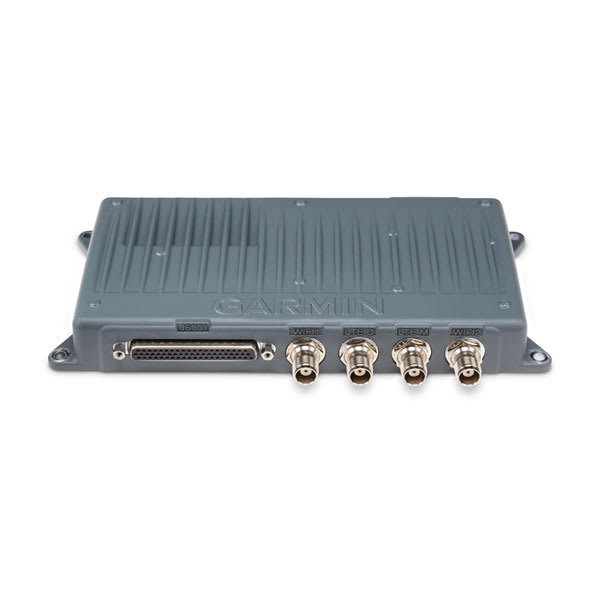
Streamline your flight prep, and enjoy your aircraft more with the GDL 60 datalink and PlaneSync™ technology.
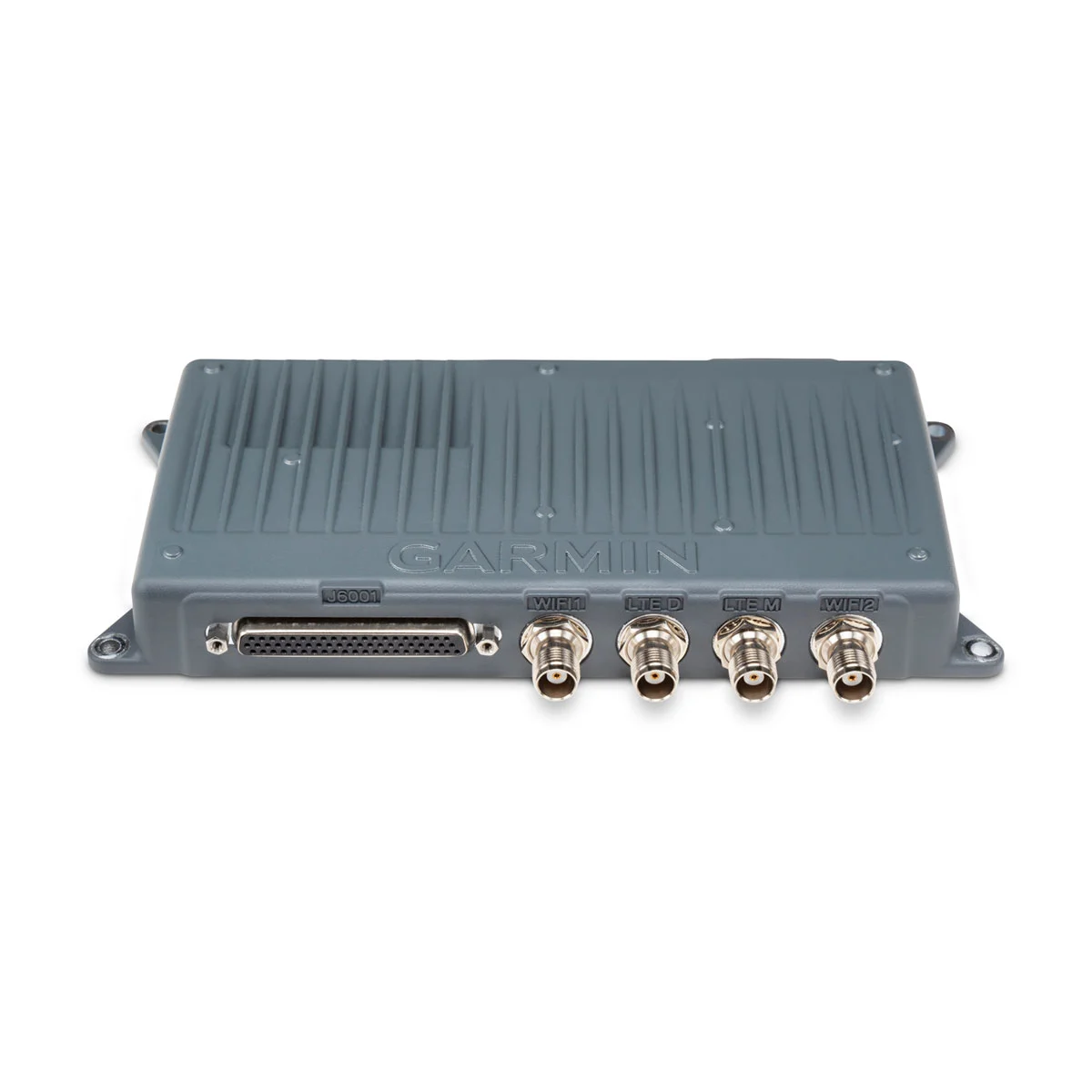
The Garmin GDL-60 is a small panel-mounted datalink module that brings wireless connectivity to an aircraft’s avionics suite. It is part of Garmin’s PlaneSync “connected cockpit” system and works with Garmin avionics (such as GTN™ Xi navigators and G1000®/G1000 NXi flight decks) to connect the aircraft to the outside world. In practice the GDL-60 acts like an onboard “internet box,” using both a built-in 4G LTE cellular modem and Wi‑Fi radio to link the plane’s systems with Garmin’s cloud services and pilot tablets. This lets the avionics exchange data automatically – for example, it can download chart and database updates or stream weather and traffic directly into mobile apps – without a pilot having to plug in data cards.
Technically, the GDL-60 is a compact device (about 8.72″ x 4.00″ x 1.12″ and 1.5 lb) that mounts in the instrument panel. It runs on 14/28 V DC aircraft power and is certified for high altitudes up to 55,000 ft. Its hardware includes dual Wi-Fi radios (one access point, one client) using 802.11 b/g/n at 2.4 GHz, plus a multi-band LTE modem covering global 4G frequencies. In effect, the GDL-60 creates both an onboard Wi‑Fi network and a cellular data link. The aircraft can thus stay connected on the ground or in flight, subject to cell coverage. Garmin’s documentation notes that the unit “enables PlaneSync technology” via these connections and that its LTE/Wi-Fi link automatically keeps the avionics databases updated.
Once installed, the GDL-60 offers several key features for pilots. One major advantage is automated database updates: Garmin explains that the GDL-60 “offers database downloads directly to the aircraft,” so that new charts and navigation data can download over the air without a pilot present. The system then “auto-synchronize[s] across your avionics at power up,” eliminating manual update chores. The GDL-60 also logs flight and engine data; after landing it can “transmit flight and engine log data automatically… to secure cloud storage,” where pilots or maintenance crews can review it via the Garmin Pilot mobile app or the flyGarmin web portal. Another useful feature is remote aircraft monitoring: with the GDL-60 and Garmin Pilot, an owner on the ground can check the airplane’s status from anywhere. The Pilot app can show things like Hobbs and tach times, fuel quantity, battery voltage, outside-air temperature, oil temperature, and even the last known GPS location of the aircraft. In short, GDL-60 keeps pilots informed about their aircraft’s health and readiness.
Perhaps the most visible benefit is mobile connectivity. The GDL-60 enables Garmin’s Connext system, which streams in-flight data from the panel to pilot devices. For example, it can send ADS-B weather (FIS-B) and traffic, GPS position, and even attitude (AHRS) information to apps like Garmin Pilot or ForeFlight. In fact, Garmin describes that the GDL-60 lets you “stream weather, traffic, AHRS, flight plans and other data from your avionics to flight apps such as Garmin Pilot and ForeFlight”. Pilots can also transfer flight plans between their tablet and the panel through this link. (With additional hardware, the GDL-60 can even extend to cabin entertainment and SATCOM: for example, pairing it with a SiriusXM receiver enables XM audio tuning via the Pilot app, and it can interface with a Garmin GSR-56 for in-flight texting/voice calls.) Overall, the Garmin GDL-60 turns a compatible cockpit into a connected cockpit – keeping nav databases current and putting real-time flight and weather data into pilots’ hands through familiar mobile interfaces.
 Garmin