You Should Host a Website
Not have one. Host one.
Everyone tells you the same thing: you should have a website. A place the algorithm can't touch. A URL that's yours. Words that outlive the platform.
They're right. But this isn't a post about having a website; it's about hosting one.
Decade of Hosting
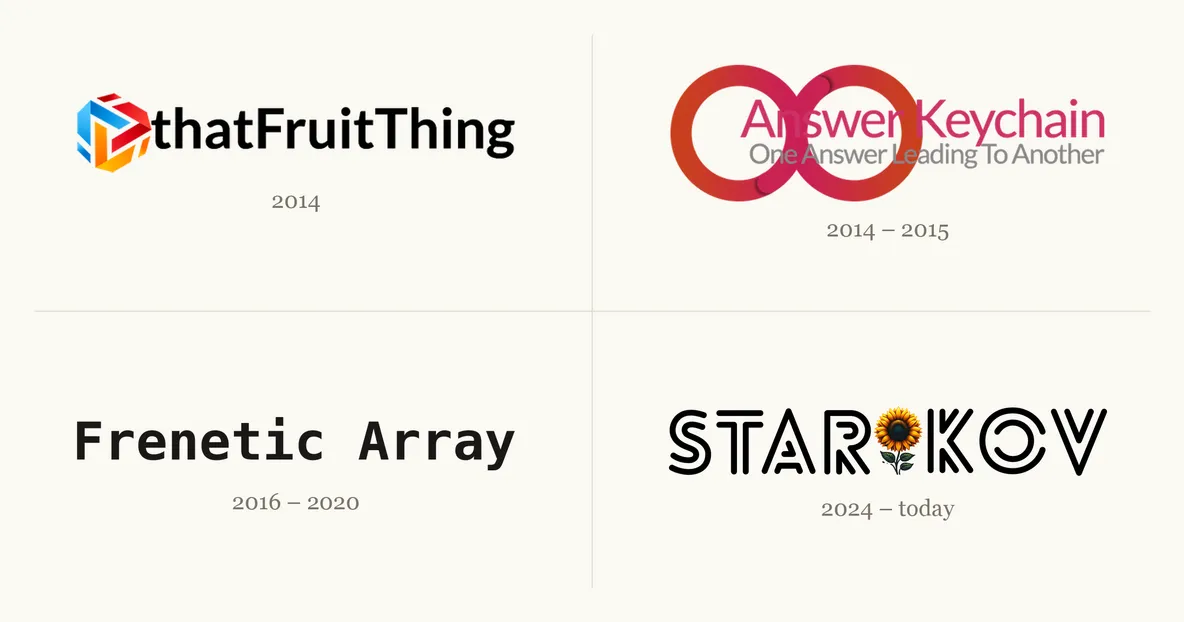
I've been running websites since 2014. From WordPress onward, through a handful of CMSes, none of them have made me money. None have been wildly successful. All of them taught me more about running a real service on the internet than any job ever did.
Hosting forces you to see the full stack. Before you see a working page, you need three things:
- A domain
- A server
- A CMS
After that, the web opens up with endless possibilities to tinker. To name three:
Web development. I started because the theme didn't have a contact form. Then I wanted a landing page. Then I wanted the whole layout rewritten. Within a few months I could scaffold a component, wire up a build, and deploy without thinking. None of it was "job" work.
Web design. I'm not a designer. But running my own site meant the stakes were zero, so I designed anyway. I picked fonts. I argued with myself about spacing. I redesigned the nav three times in a weekend.
Something odd happened along the way: I became opinionated. I'd see a well-designed site and think can I do something like that? I started noticing other people's patterns, their hierarchy, their whitespace. I shifted from user to contributor, an active participant in the ecosystem.
Ops. The frontend was the fun part. Then came everything underneath, roughly ranked by how much each will ruin your day when it breaks:
- Reliability. Is the site actually up? Does it stay up when you push? Do you know when it's not?
- Security. Any open ports? TLS 1.3? Are your admin panels behind a login that a bot can't guess in an afternoon?
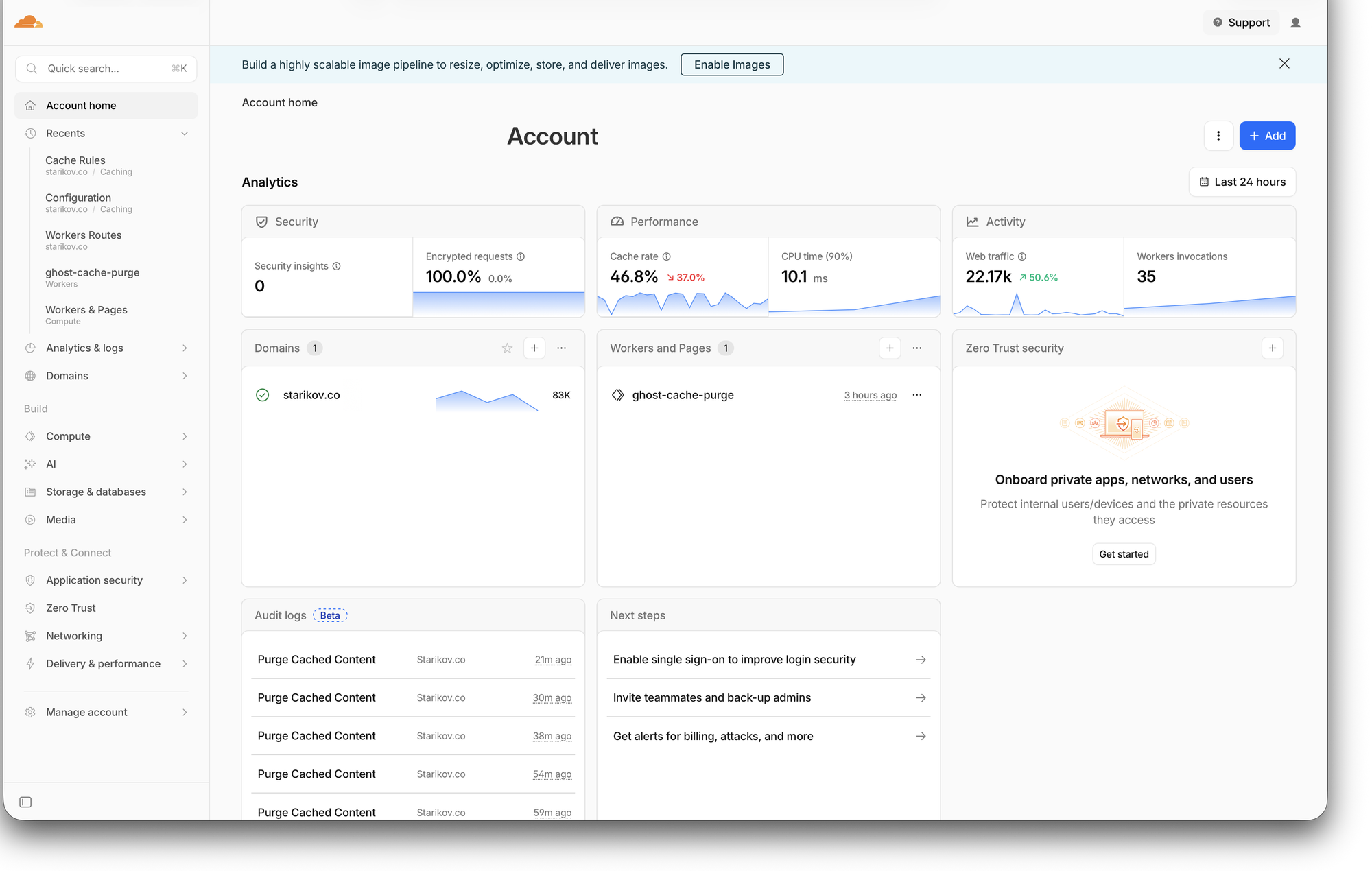
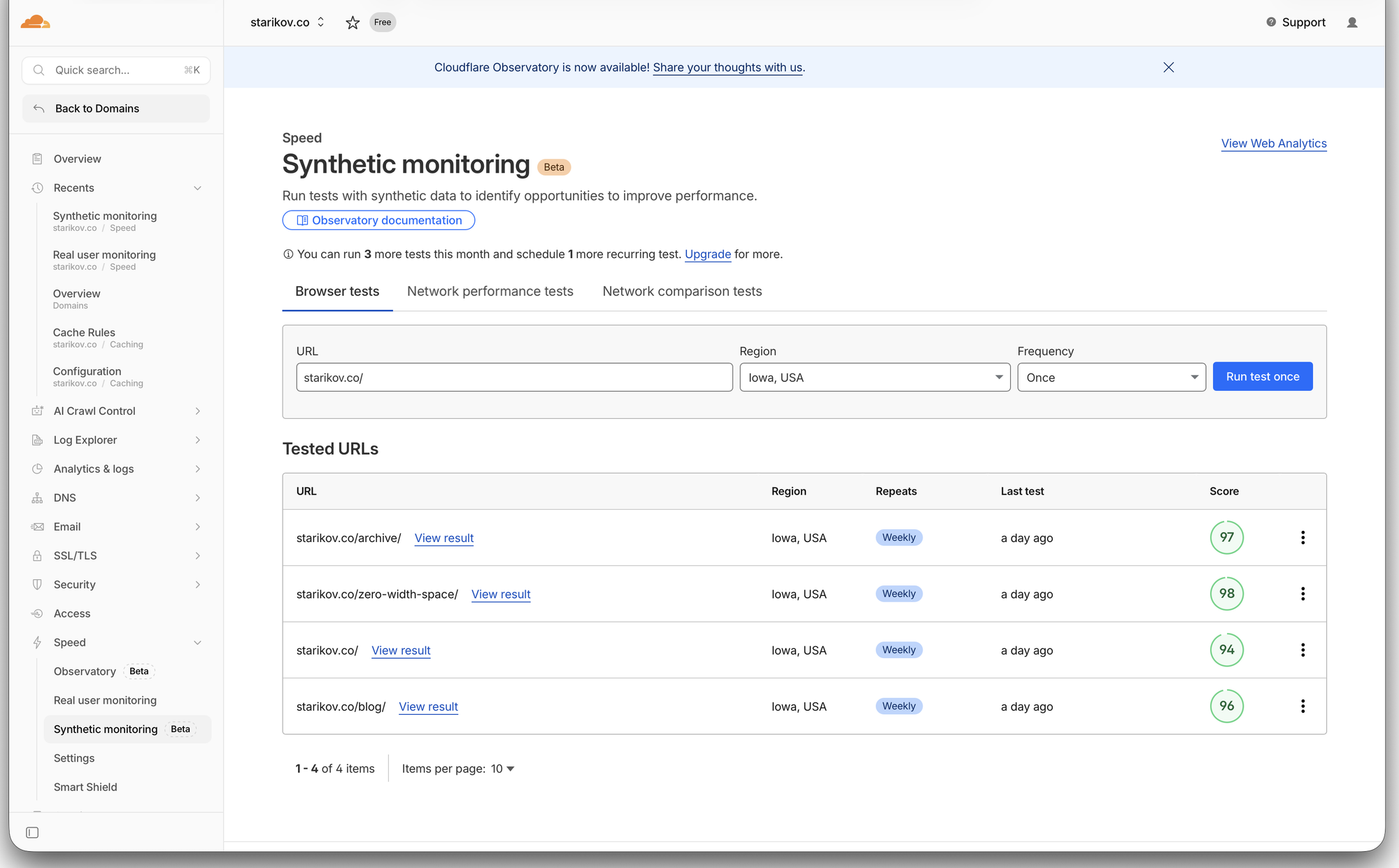
- Performance. Is anything cached? How long is first paint? Are your images doing work they don't need to?
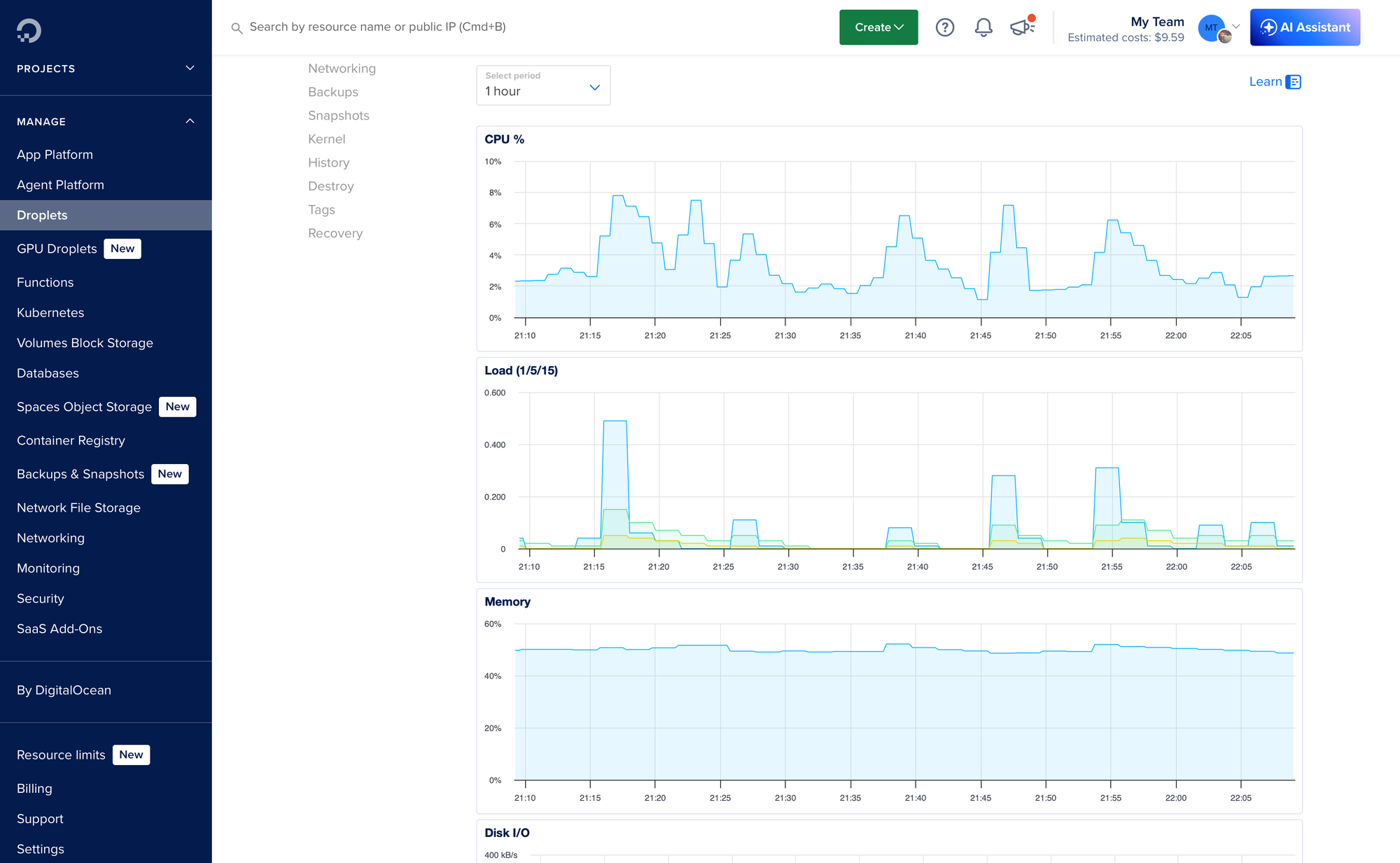
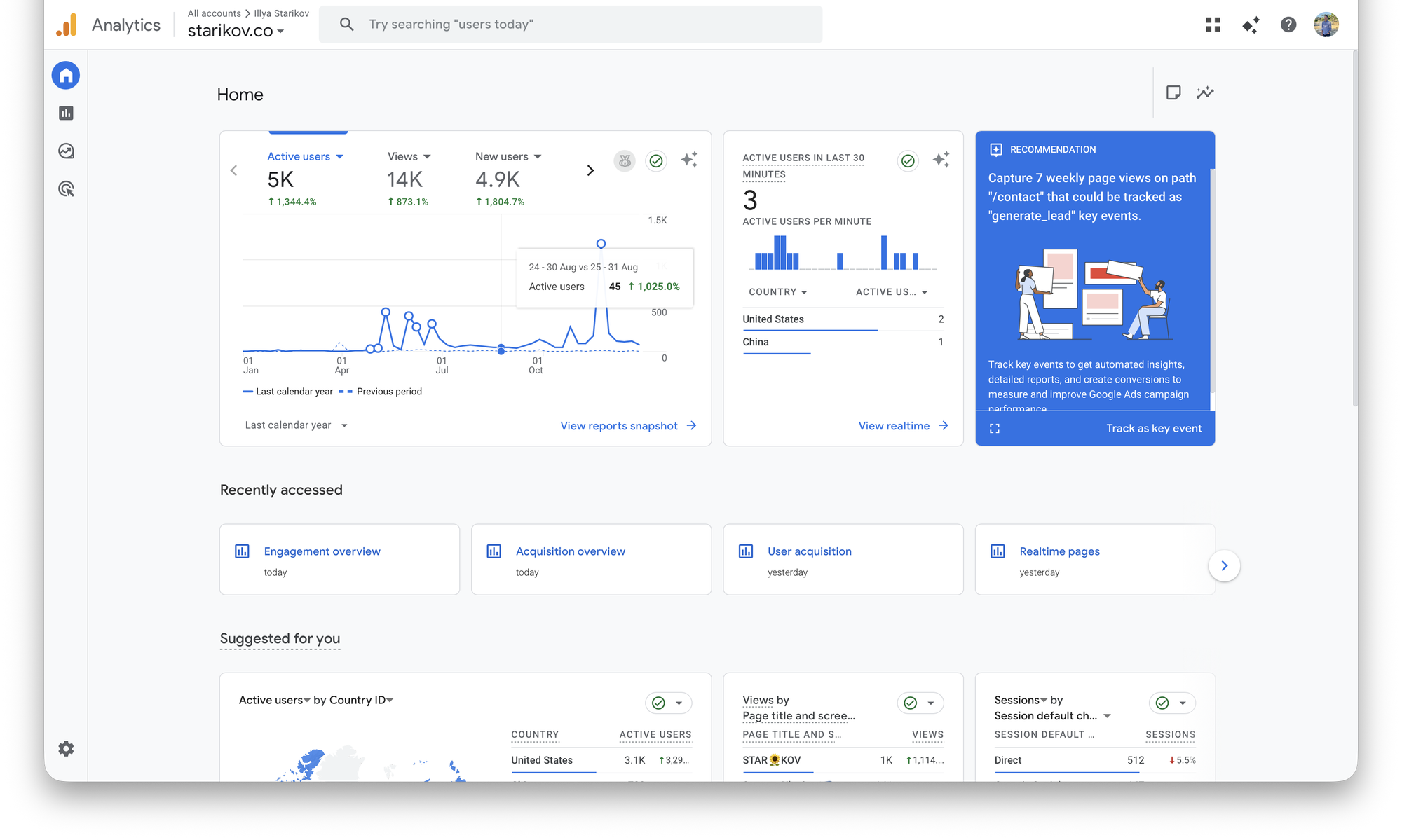
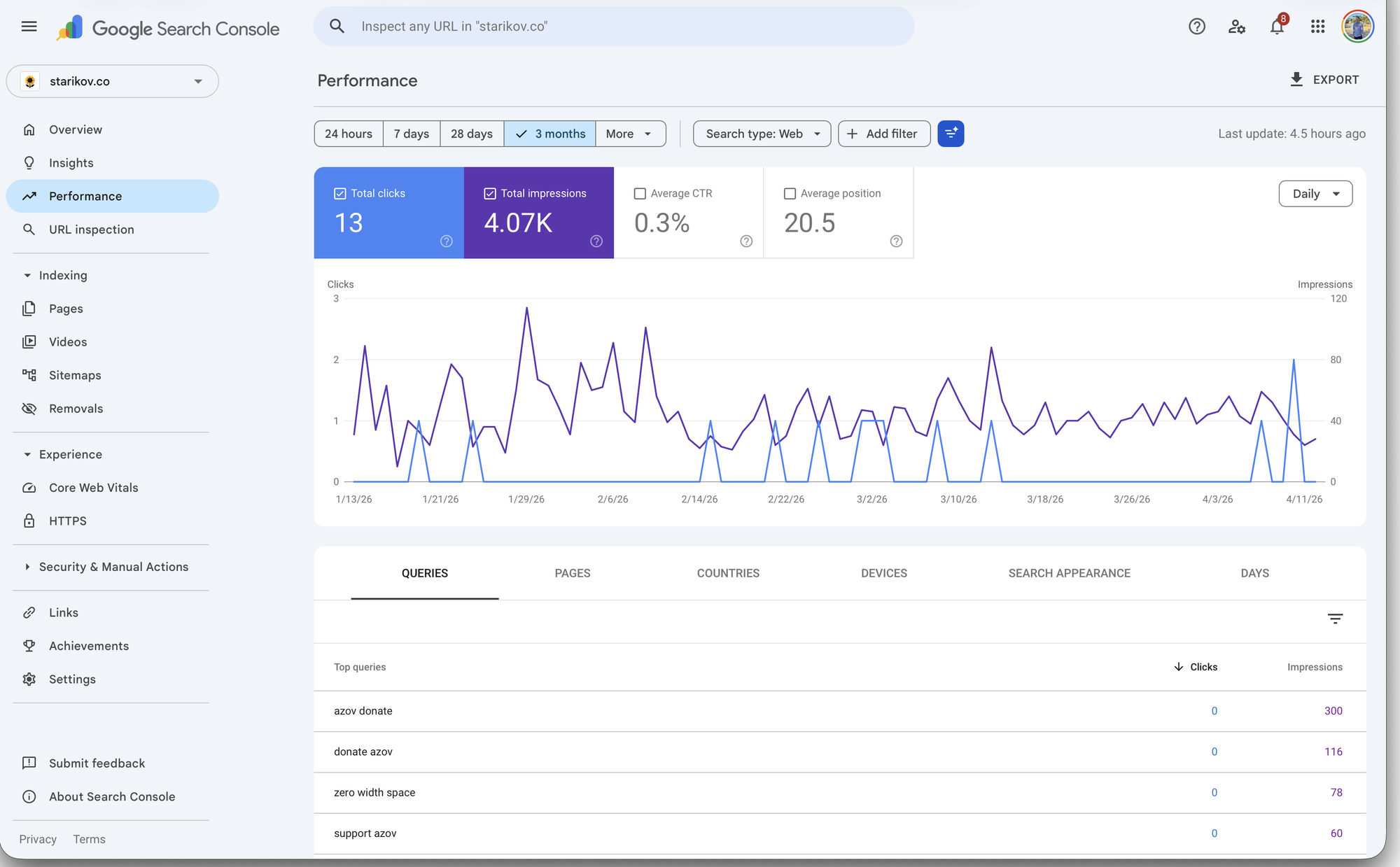
- Observability. When things break, do you hear about it from your logs, or from a friend texting you "hey, your site's down"?
- Accessibility. Alt text. Contrast. Semantic HTML. The baseline is cheap; skipping it is rude.
Every one of these is a specialization; every one is yours to obsess over or ignore. It's a gift and a curse.
Or Not!
Self-hosting isn't for everyone. Reasons to skip:
- Money. Self-hosting is often more expensive than a managed blog once you value your own time. If you're counting hours, the math rarely works in your favor.
- Time. Other side projects fail quietly in staging. A self-hosted site fails loudly, in production, at the worst moment. It asks for attention even when you have none to give.
- Data responsibility. You own the data, which means you also own the backups, updates, abuse reports, and the incident when something goes wrong.
If any of those rings true, self-hosting isn't right for you. But I still think you should have a corner of the internet. Any of these will give you one without the operations tax:
Getting Started
If you're still curious, here's a rundown of hosting options.
If you haven't used AI for development, start here. A chatbot is the closest thing you'll get to pair programming with a patient senior web developer. Tell it your vision, let it walk you through the tradeoffs, have it vibe-code you through the parts that feel over your head.
Pick a Domain
Registrars that don't upsell you into a funnel:
Pick a .com if you can get one; a .co or .dev if you can't. Don't overthink it, you can always move a domain.
Pick a Host
For a real server: DigitalOcean, Linode, or Hetzner will rent you a VPS for a few dollars a month. If your site is static, Cloudflare Pages, Netlify, and Vercel have generous free tiers.
Pick a CMS
Pick one and commit:
- Ghost for a modern blog with a good admin
- WordPress if you want every plugin ever made
- Jekyll, Hugo, or Eleventy if you want static output and don't mind the build step
- Whatever you vibe-code yourself if you want to learn the most
You can (and probably will) migrate later, so pick one to get started.
Your Corner
The best reason to host your own site isn't cost, control, or credibility. It's that the web stops being something that happens to you and starts being something you make. You stop reading the internet and start writing it.
That's worth more than any plan.